Introduction
The logistics industry faces significant challenges that demand effective fleet management for operational success. By implementing best practices in fleet management and maintenance, companies can enhance efficiency while ensuring compliance and safety across their operations.
Logistics providers must develop effective strategies to navigate the complexities of evolving technology and regulatory demands to optimize fleet performance.
Define Fleet Management: Core Concepts and Importance
The management of transportation units is critical for ensuring operational efficiency and regulatory compliance in fleet management and maintenance. This oversight encompasses the processes and systems involved in fleet management and maintenance, ensuring vehicles are operated efficiently and regulations are adhered to. Key components of fleet management and maintenance include:
Effective vehicle oversight is crucial for reducing costs, improving safety, and enhancing service delivery. Optimizing these elements enables logistics companies to utilize resources more effectively and boost profitability. With Meight Cloud, logistics providers can enhance their vehicle oversight capabilities through flexible, secure, and scalable data handling solutions. This capability enhances logistics efficiency and streamlines workflow automation, supported by Meight's expert team, ensuring that your operations run smoothly and effectively. Ultimately, leveraging Meight Cloud can transform your logistics operations into a model of efficiency and reliability.

Identify Key Components of Effective Fleet Management Systems
Effective fleet management hinges on several critical components that enhance operational efficiency and drive cost savings:
- Transport Tracking: The adoption of GPS and telematics technology enables real-time monitoring of locations and performance of the transport. This capability not only optimizes routes but also significantly reduces fuel consumption. Studies indicate that fleets using telematics report a 55% reduction in fuel costs.
- Service Management: A structured servicing timetable is essential for ensuring automobiles receive prompt attention, which helps avoid breakdowns that can lead to costly downtime and repairs, impacting overall fleet performance. Predictive maintenance, supported by AI analytics, can save hundreds of dollars per vehicle annually by identifying potential issues before they escalate.
- Driver Management: Keeping an eye on how drivers behave is key to boosting both safety and efficiency. Implementing training programs centered on safe driving practices can lead to a reported 42% reduction in safety incidents among groups using tracking software.
- Fuel Management: Effective fuel management means not just tracking consumption but also employing strategies like route optimization to cut costs, as seen in fleets that have adopted AI technologies. For example, minimizing idle time can result in yearly fuel savings of 30% for groups that implement these technologies.
- Compliance Management: Ensuring that all vehicles meet legal and safety standards is essential. This involves performing regular inspections and complying with changing regulations, which can assist in avoiding penalties that can result in significant financial repercussions and operational disruptions, while also improving overall vehicle reliability.
By honing in on these components, vehicle managers can create a robust system for fleet management and maintenance that enhances efficiency while cutting costs.

Implement Preventive Maintenance Strategies to Enhance Fleet Longevity
Without proactive fleet management and maintenance, the longevity of the fleet is at risk, leading to costly repairs and operational disruptions. To enhance fleet longevity, fleet managers should implement the following preventive maintenance strategies:
- Regular Inspections: Schedule routine inspections to identify potential issues before they escalate. This includes checking fluid levels, brakes, tires, and other critical components.
- Service Planning: Create a service calendar based on usage and manufacturer guidelines. This ensures timely servicing and reduces the risk of breakdowns.
- Employ Technology: Use vehicle oversight software to automate service reminders and monitor repair history, ensuring no service tasks are missed.
- Driver Training: Educate drivers on the significance of reporting issues promptly and maintaining cleanliness, which can prevent wear and tear.
- Record Keeping: Keep comprehensive records of all servicing activities, which can assist in analyzing trends and making informed choices about vehicle oversight.
Neglecting these strategies in fleet management and maintenance could lead to higher costs and diminished vehicle performance over time.

Leverage Technology: Integrate AI and Software Solutions for Efficiency
In an increasingly competitive logistics landscape, the integration of technology into vehicle management is no longer optional; it is essential for operational success. Key areas where technology can be effectively leveraged include:
- Telematics: Implementing telematics systems allows for the collection of critical data on vehicle performance, driver behavior, and fuel consumption. This data can be analyzed to pinpoint inefficiencies, leading to targeted improvements. For example, telematics can decrease idling time, leading to fuel savings of 10-15% and improving overall vehicle utilization.
- AI-Powered Analytics: Utilizing AI enables predictive maintenance and real-time route optimization based on live traffic data. This proactive strategy reduces delays and boosts fuel efficiency, with groups reporting annual savings of $3,500 to $6,200 per vehicle through enhanced operational practices. Meight's dedication to AI-driven solutions illustrates this trend, concentrating on smarter operations that serve contemporary vehicle groups.
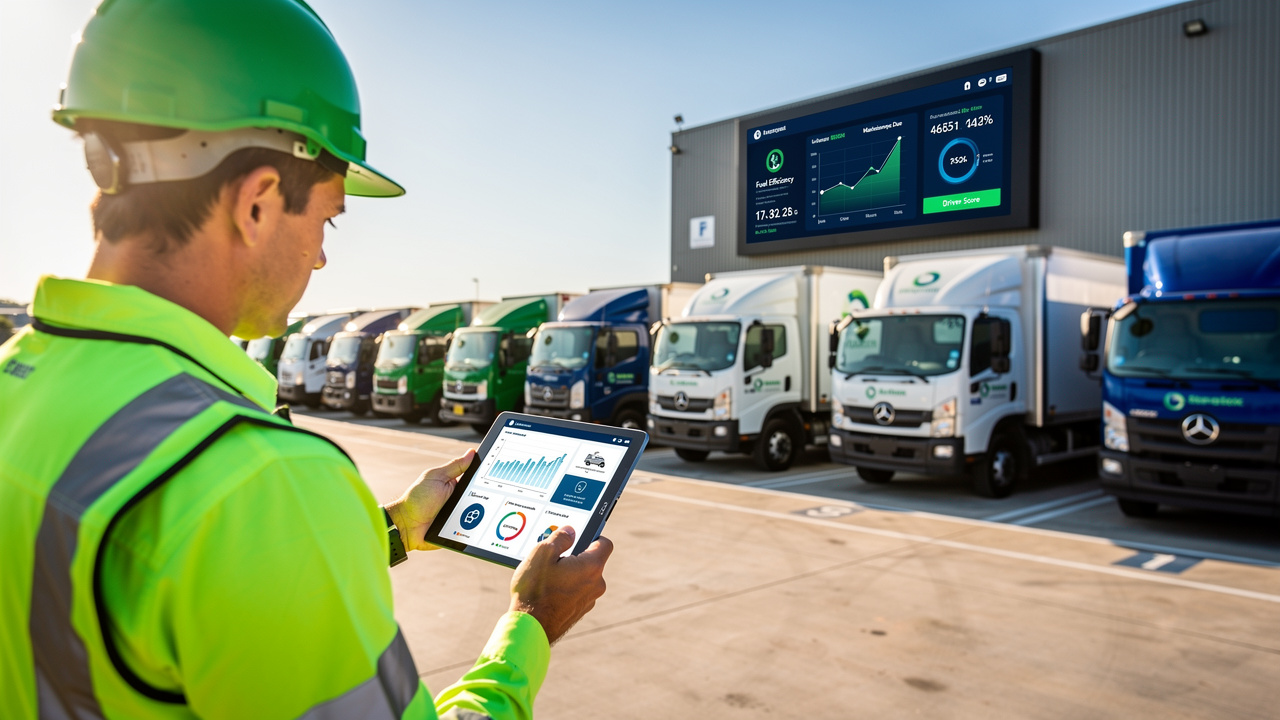
- Vehicle Management Software: Adopting comprehensive vehicle management software centralizes data, automates reporting, and provides actionable insights into vehicle performance. This integration enables vehicle managers to concentrate on strategic initiatives instead of routine coordination, significantly boosting productivity. Meight's software solutions support these objectives, ensuring logistics providers can operate more efficiently.
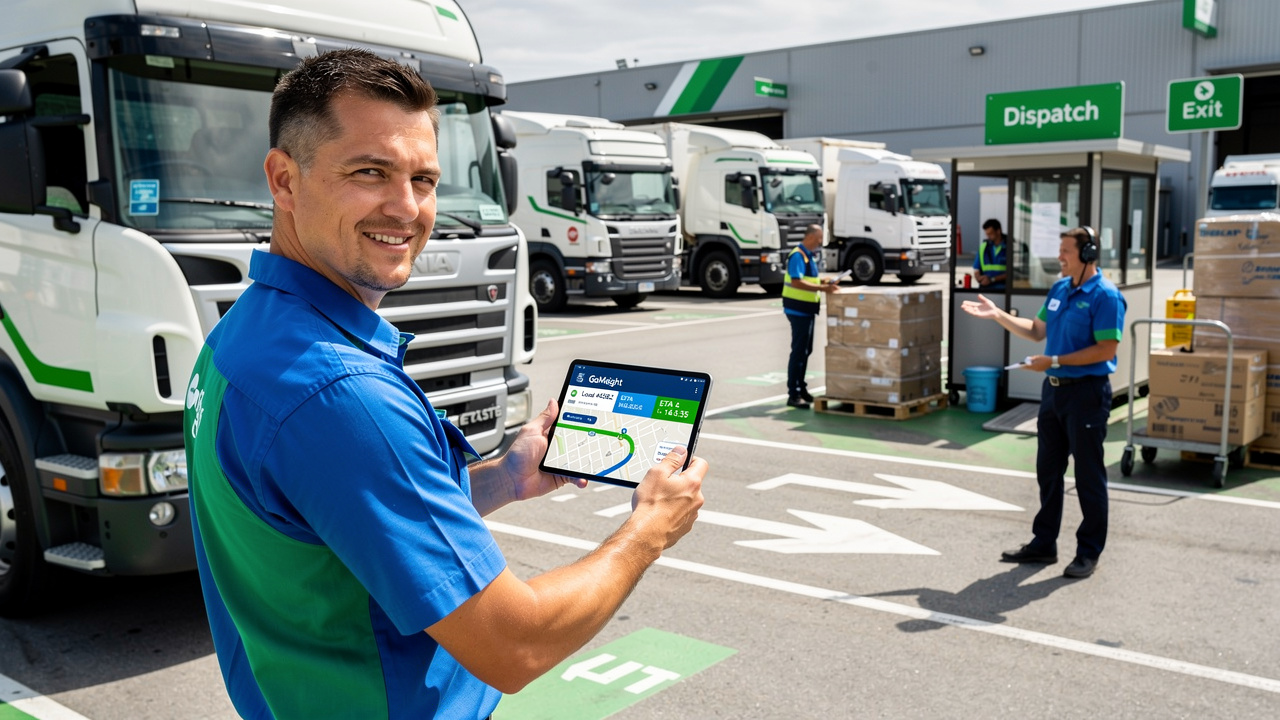
- Mobile Applications: Equipping drivers with mobile apps facilitates seamless communication, navigation assistance, and real-time updates on delivery status. This technology enhances driver engagement and satisfaction, ultimately leading to improved service delivery. As highlighted by industry experts, mobile technology can significantly increase driver retention by fostering better communication and engagement. Meight's Driver app is a prime example of how technology can empower drivers and streamline operations.
- Data Integration: Ensuring that all systems are interconnected fosters a seamless flow of information, enabling better decision-making and operational efficiency. The integration of AI with telematics platforms is becoming crucial, as it enables real-time data processing and actionable insights that enhance vehicle performance. AI is predicted to provide a competitive advantage for trucking companies in 2026 by improving cash flow, visibility, and utilization, aligning with Meight's vision for transforming logistics.
- Carefree Program: Meight's Carefree program emphasizes seamless adoption of these technologies, ensuring that logistics providers can transition smoothly into a more efficient operational model.
Ultimately, embracing these technologies is not just about efficiency; it is about ensuring long-term viability in a rapidly evolving industry.

Conclusion
Effective fleet management is not just beneficial; it is a necessity for optimizing logistics operations and ensuring compliance. Focusing on key components - vehicle acquisition, driver oversight, and fuel management - enables logistics companies to reduce costs and enhance service delivery. The integration of advanced technologies, including telematics and AI, empowers fleet managers to make informed decisions that drive operational success.
Throughout the article, various strategies for fleet management and maintenance have been explored. These include:
- Implementing preventive maintenance to extend vehicle longevity
- Leveraging technology for real-time monitoring and analytics
- Fostering a culture of safety and efficiency among drivers
Each of these elements plays a crucial role in creating a robust fleet management system that not only meets regulatory standards but also enhances profitability.
In summary, effective fleet management is essential for achieving operational excellence in logistics. As the industry continues to evolve, embracing innovative technologies and best practices will be vital for maintaining a competitive edge. Logistics providers are encouraged to adopt these strategies and tools to ensure their operations are not only efficient but also sustainable in the long run. By prioritizing fleet management, organizations can enhance performance, safety, and cost-effectiveness, paving the way for greater success in the logistics sector.
Frequently Asked Questions
What is fleet management?
Fleet management refers to the management of transportation units to ensure operational efficiency and regulatory compliance, encompassing processes and systems involved in vehicle operation and maintenance.
What are the core components of fleet management?
The core components of fleet management include vehicle acquisition, driver oversight, and fuel management.
Why is effective vehicle oversight important in fleet management?
Effective vehicle oversight is crucial for reducing costs, improving safety, and enhancing service delivery, allowing logistics companies to utilize resources more effectively and boost profitability.
How can Meight Cloud enhance fleet management?
Meight Cloud enhances fleet management by providing flexible, secure, and scalable data handling solutions that improve vehicle oversight capabilities, streamline workflow automation, and ensure smooth operations.
What benefits does leveraging Meight Cloud offer to logistics operations?
Leveraging Meight Cloud can transform logistics operations into a model of efficiency and reliability, enhancing logistics efficiency and supporting effective operations.