

Introduction
Transport management software (TMS) is fundamentally reshaping logistics operations, addressing inefficiencies that hinder performance and cost management. By leveraging advanced features such as real-time tracking and automated dispatching, companies can significantly enhance their operational efficiency and service delivery. Organizations must consider how to integrate driver management within their TMS to meet growing demands and promote continuous improvement.
Understand Transport Management Software and Its Importance in Logistics
Transport management software with driver management is essential for optimizing supply chain operations and addressing inefficiencies that can hinder performance. A thorough transport management software with driver management integrates key functions such as route planning, load optimization, carrier management, and real-time tracking, enabling transportation companies to significantly enhance efficiency.
The influence of TMS on operational costs is significant, driving efficiency and cost reductions. By optimizing routes and loads, TMS reduces fuel consumption and labor expenses, leading to substantial savings. For instance, organizations utilizing TMS have reported lower transport expenses and improved service levels, allowing them to adapt to changing demands without significant investments.
Moreover, TMS enhances visibility across the supply chain. For example, real-time tracking allows customers to receive timely updates on their shipments, enhancing service quality and satisfaction. This visibility is crucial in today's supply chain environment, where consistency in delivery is prioritized over speed.
TMS fundamentally changes how decisions are made in the supply chain. Advanced data analytics capabilities enable managers to leverage historical data and predictive analytics, supporting informed decisions that improve operational results. This capability is essential as transportation teams face rising shipment volumes and customer demands.
Furthermore, transport management software with driver management streamlines communication among drivers, dispatchers, and customers, thereby minimizing misunderstandings and delays. By creating a unified ecosystem that automates workflows from order entry to settlement, TMS reduces the noise of fragmented communication, allowing teams to focus on strategic operations.
Integrating TMS into supply chain operations signifies a fundamental change in how transportation firms function, making them more agile and responsive to market demands. As the logistics landscape evolves, the question shifts from whether to adopt TMS to how long companies can afford to operate without it.

Identify Essential Features for Effective Driver Management in TMS
To optimize driver management within a Transportation Management System (TMS), several critical features must be prioritized:
- Real-Time Tracking: This feature enables fleet managers to continuously monitor driver locations and vehicle statuses, facilitating timely interventions and route adjustments. Real-time visibility enables proactive problem-solving, preventing issues from escalating and enhancing operational efficiency.
- Operator Performance Metrics: Incorporating analytics tools that track key performance indicators (KPIs) such as delivery times, fuel efficiency, and adherence to schedules is vital for evaluating operator performance. In 2026, statistics indicate that companies utilizing these metrics have seen a 10% increase in on-time deliveries, underscoring the importance of data-driven insights in logistics operations.
- Automated Dispatching: A TMS should enable automated dispatching, permitting rapid allocation of tasks based on operator availability and location. This capability significantly reduces downtime and enhances responsiveness, leading to improved service reliability.
- Communication Tools: Integrated communication features facilitate smooth interaction between operators and dispatchers, ensuring that operators receive prompt updates and instructions. Effective communication is essential for maintaining workflow and resolving transport issues.
- Compliance Management: The TMS should include tools for managing compliance with regulations, such as hours of service (HOS) rules. Ensuring operators adhere to legal boundaries reduces risks and enhances operational safety and integrity.
- Training and Support Resources: Access to training materials and assistance within the TMS can help operators enhance their skills and adjust to new technologies swiftly. Ongoing training utilizing real-time information promotes a culture of safety and responsibility, ultimately resulting in improved performance and decreased costs.
Focusing on these features not only enhances operational efficiency but also positions transportation firms for sustainable growth.

Implement Best Practices for Integrating TMS with Driver Management
Integrating TMS with operator management systems presents significant challenges that require careful consideration and strategic planning. Here are essential best practices to consider:
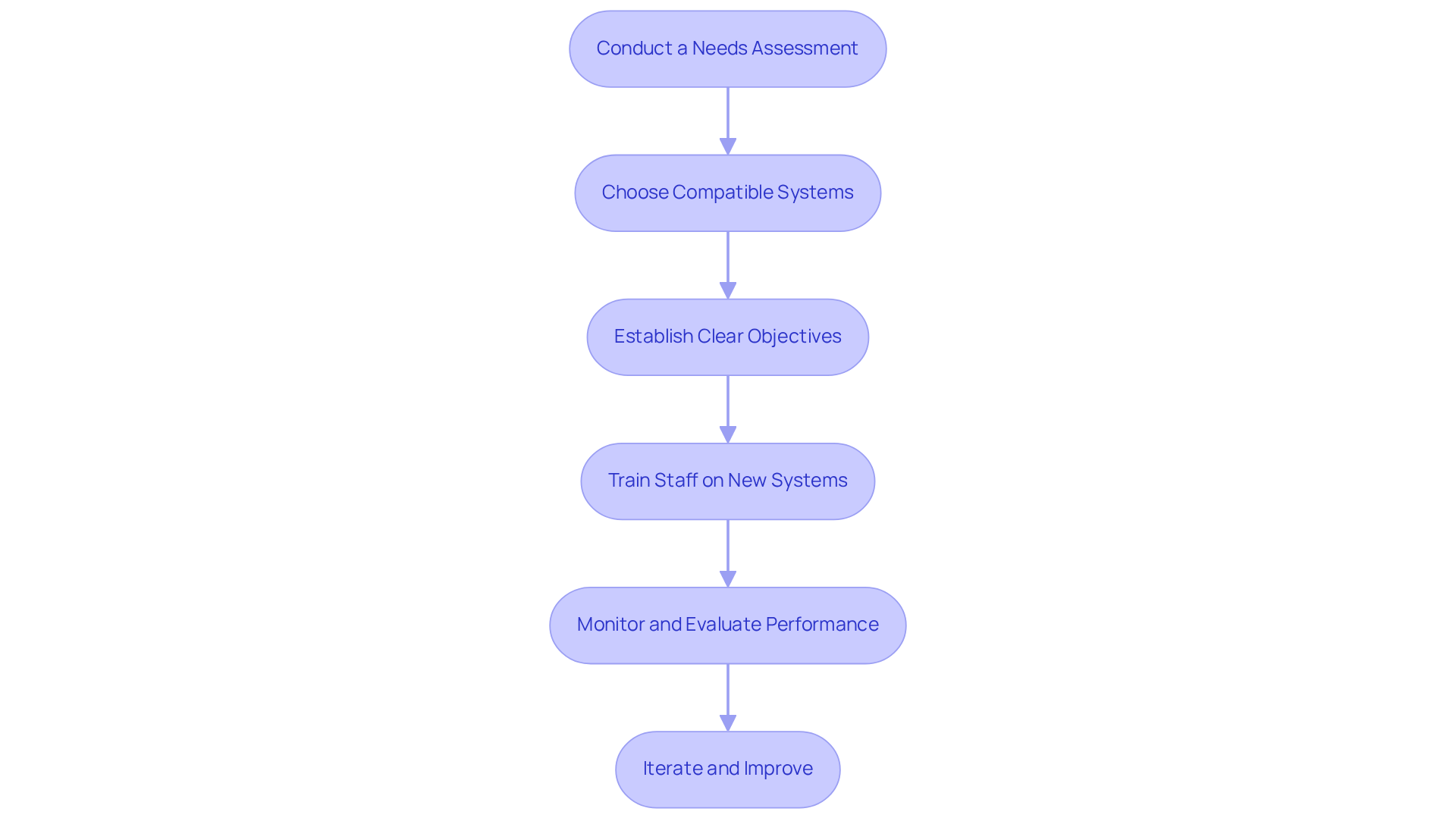
- Conduct a Needs Assessment: Begin by evaluating the specific requirements of your logistics operations. Determine how transport management software with driver management can effectively meet these needs alongside operator management functionalities.
- Choose Compatible Systems: Ensure that both the TMS and operator management systems are compatible, facilitating seamless communication and data sharing.
- Establish Clear Objectives: Define explicit goals for the integration, such as enhancing delivery times or increasing operator satisfaction, to guide the implementation process.
- Train Staff on New Systems: Provide comprehensive training for operators and dispatchers on utilizing the integrated systems effectively, ensuring alignment across the team.
- Monitor and Evaluate Performance: Post-integration, continuously assess the performance of both systems and gather user feedback to pinpoint areas for enhancement.
- Iterate and Improve: Utilize insights from performance monitoring to make iterative enhancements, ensuring the integration adapts to the changing needs of your operations.
Ultimately, neglecting these best practices may hinder operational efficiency and compromise service quality.
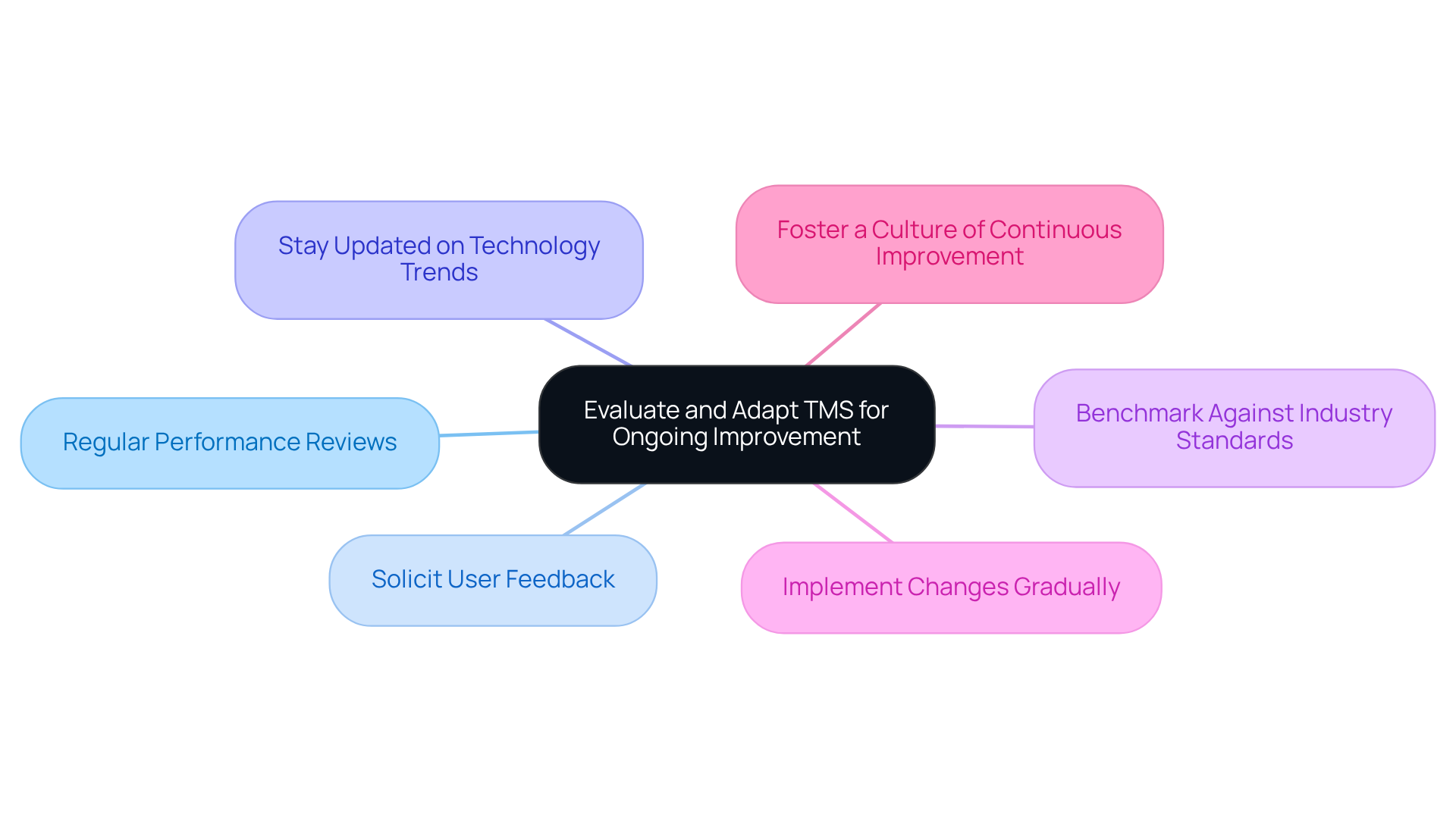
Evaluate and Adapt TMS for Ongoing Improvement in Logistics Operations
Regular evaluation of your Transportation Management System (TMS) is crucial for maintaining operational efficiency and adapting to the dynamic logistics landscape. The following best practices are recommended:
- Regular Performance Reviews: Conduct periodic assessments of TMS performance against key performance indicators (KPIs) to evaluate its effectiveness in achieving operational objectives.
- Actively Solicit User Feedback: Actively solicit and analyze user feedback to identify critical pain points and areas for enhancement. This approach can lead to significant improvements in system functionality.
- Stay Updated on Technology Trends: Remain informed about the latest advancements in TMS technology and features, ensuring your system integrates cutting-edge tools that enhance functionality.
- Benchmark Against Industry Standards: Compare your TMS performance with industry benchmarks to uncover gaps and opportunities for improvement, facilitating strategic enhancements.
- Implement Changes Gradually: When updating or modifying the TMS, introduce changes incrementally to minimize disruption and allow users to adjust effectively.
- Foster a Culture of Continuous Improvement: Cultivate an organizational culture that values ongoing learning and adaptation, empowering employees to propose enhancements.
Neglecting these practices could lead to inefficiencies that compromise service delivery and operational success.
Conclusion
Transport management software (TMS) is not just beneficial; it is crucial for logistics optimization in a competitive landscape. Integrated with effective driver management practices, TMS allows transportation companies to streamline processes, cut costs, and enhance service quality, making them more responsive to market demands. Advanced features like real-time tracking and automated dispatching improve operational visibility and promote a culture of continuous improvement.
Key insights include:
- The importance of selecting compatible systems
- Conducting thorough needs assessments
- Providing comprehensive staff training
These best practices ensure that TMS and driver management systems work together seamlessly, facilitating effective communication and operational efficiency. Regular evaluations and adaptations of TMS are necessary to keep pace with evolving industry standards and technological advancements.
In conclusion, embracing transport management software and prioritizing driver management best practices is essential in today’s logistics landscape. Organizations that fail to prioritize these practices risk falling behind in a rapidly evolving logistics environment. Proactive steps will keep logistics operations agile and efficient, leading to better customer satisfaction and business outcomes.
Frequently Asked Questions
What is transport management software (TMS) and why is it important in logistics?
Transport management software (TMS) is a system designed to optimize supply chain operations by addressing inefficiencies. It integrates functions such as route planning, load optimization, carrier management, and real-time tracking, significantly enhancing efficiency for transportation companies.
How does TMS impact operational costs?
TMS drives efficiency and reduces operational costs by optimizing routes and loads, which decreases fuel consumption and labor expenses. Organizations using TMS have reported lower transport expenses and improved service levels, allowing them to adapt to changing demands without significant investments.
What role does visibility play in TMS?
TMS enhances visibility across the supply chain by providing real-time tracking, allowing customers to receive timely updates on their shipments. This visibility is crucial for maintaining service quality and customer satisfaction, especially in an environment where consistency in delivery is prioritized.
How does TMS influence decision-making in the supply chain?
TMS fundamentally changes decision-making by leveraging advanced data analytics capabilities. Managers can utilize historical data and predictive analytics to make informed decisions that improve operational results, which is essential given the rising shipment volumes and customer demands.
In what ways does TMS improve communication within the supply chain?
TMS streamlines communication among drivers, dispatchers, and customers, minimizing misunderstandings and delays. By automating workflows from order entry to settlement, TMS reduces fragmented communication and allows teams to focus on strategic operations.
What does integrating TMS into supply chain operations signify for transportation firms?
Integrating TMS signifies a fundamental change in how transportation firms operate, making them more agile and responsive to market demands. As the logistics landscape evolves, the emphasis shifts from whether to adopt TMS to how long companies can afford to operate without it.