
Introduction
In the contemporary supply chain landscape, logistics applications serve as a critical framework for optimizing operational efficiency. These applications leverage advanced technologies to deliver substantial benefits, such as:
- Enhanced inventory management
- Optimized transportation coordination
- Improved order processing
Organizations face significant challenges in integrating these technologies to fully leverage their operational potential and sustain a competitive advantage.
Define Logistics Applications: Core Concepts and Importance
Logistics applications are essential tools that significantly enhance the planning and execution of logistics operations. These logistics applications encompass various functionalities, including:
- Inventory oversight
- Transportation coordination
- Order processing
- Real-time tracking
These programs are crucial for streamlining operations, cutting costs, and improving efficiency across supply chains. For instance, firms that adopt AI-driven supply chain solutions frequently see an average reduction in transportation expenses of 15% and enhancements in inventory management by 35%.
By automating routine tasks and providing real-time information, supply chain tools enable companies to respond swiftly to market demands, ultimately enhancing customer satisfaction. A notable example is a global food manufacturing company that achieved nearly $30 million in additional gross margin through enhanced demand forecasting and production scheduling, highlighting the measurable impact these tools can have on profitability.
In today's fast-paced environment, where efficiency is crucial, logistics applications serve as the backbone of contemporary operations, ensuring timely delivery of goods in optimal condition. An example of this evolution is Meight's road freight platform, which effectively manages 43.8 kton CO2 emissions to promote sustainable transportation practices. Furthermore, Meight's seamless cloud integration facilitates efficient load oversight and budget control, enabling users to handle their loads effortlessly from their laptops. As the transportation sector progresses, the incorporation of advanced technologies such as AI and machine learning will further improve the functions of these systems, reducing operational expenses and boosting supply chain flexibility. As these technologies evolve, they will redefine operational standards and expectations in the logistics sector.

Contextualize Logistics Applications in Supply Chain Management
Effective supply chain coordination relies on logistics applications, which ensure the seamless flow of information and goods among stakeholders. They enable logistics managers to effectively coordinate procurement, warehousing, and distribution activities through logistics applications, ensuring that products transition smoothly from suppliers to customers. For instance, Transportation Management Systems (TMS) enhance route planning and freight management, while Warehouse Management Systems (WMS) improve inventory control and order fulfillment processes. Incorporating these tools into logistics applications enables businesses to achieve enhanced visibility, reduce lead times, and improve responsiveness to customer demands. This integration is crucial for maintaining a competitive advantage in today's dynamic market, where delays can lead to significant financial losses and damage to customer relationships.
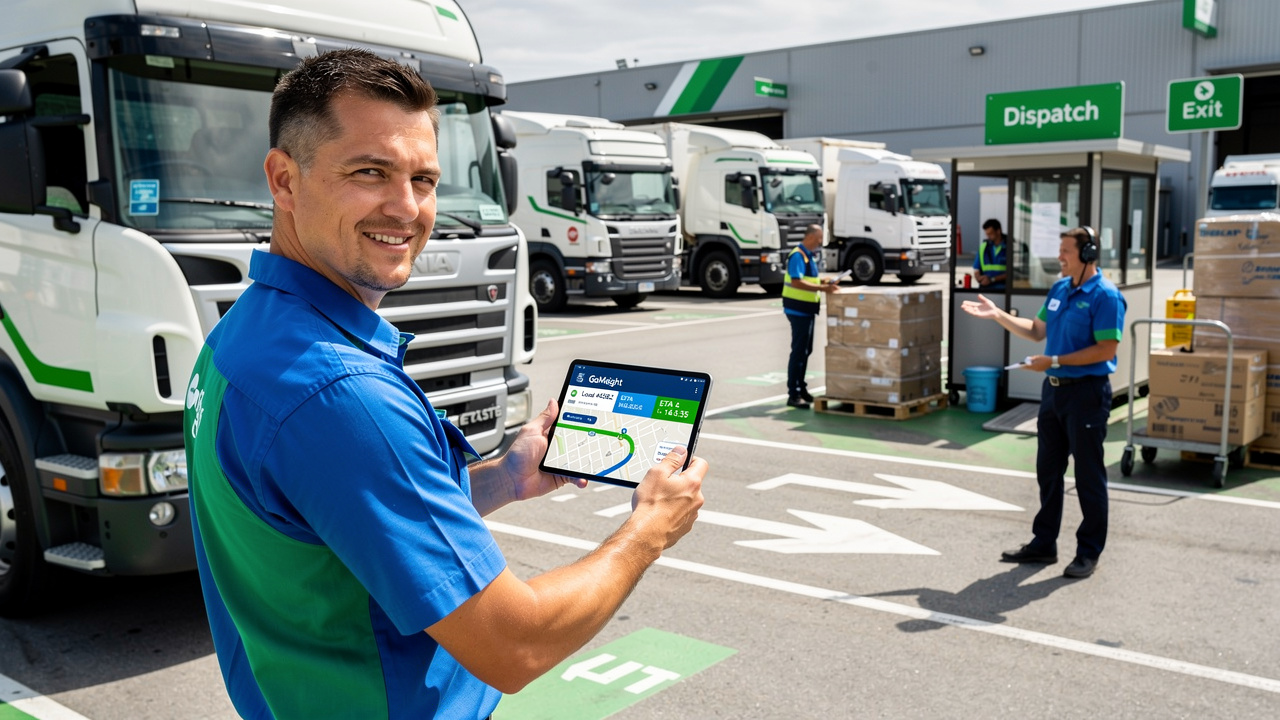
As organizations increasingly adopt digital tools, collaboration between logistics applications and supply chain strategies is essential for enhancing performance and effectiveness. In this context, Meight's cloud-based platform provides flexible, secure, and scalable data solutions that improve supply chain efficiency, complemented by personalized expert support to ensure smooth operations. The GoMeight app further simplifies road freight management by automating order dispatch and load matching, ensuring that available drivers and trucks are optimally utilized. Given the rising pressures on supply chains, including increasing transportation costs and the demand for agility, leveraging these technologies is crucial for sustaining competitive advantage and operational resilience.

Trace the Evolution of Logistics Applications: Historical Development
The evolution of supply chain applications reflects a transition from manual processes to sophisticated technological solutions. Initially, supply chain management relied heavily on human intervention, which often led to delays and errors. The introduction of computers in the 1960s marked a pivotal shift, enabling the automation of essential operational functions.
As technology advanced, the 1980s and 1990s saw the emergence of advanced software solutions, particularly Enterprise Resource Planning (ERP) systems, which integrated supply chain management with other business functions for improved effectiveness. The late 1990s introduced the internet, transforming supply chain processes by enabling real-time data sharing and communication.
Today, supply chain tools utilize advanced technologies like artificial intelligence, machine learning, and the Internet of Things (IoT). This shift has allowed organizations to respond more swiftly to market changes and customer demands. This ongoing evolution underscores the necessity for businesses to adapt to technological advancements to remain competitive.

Identify Key Characteristics and Functionalities of Logistics Applications
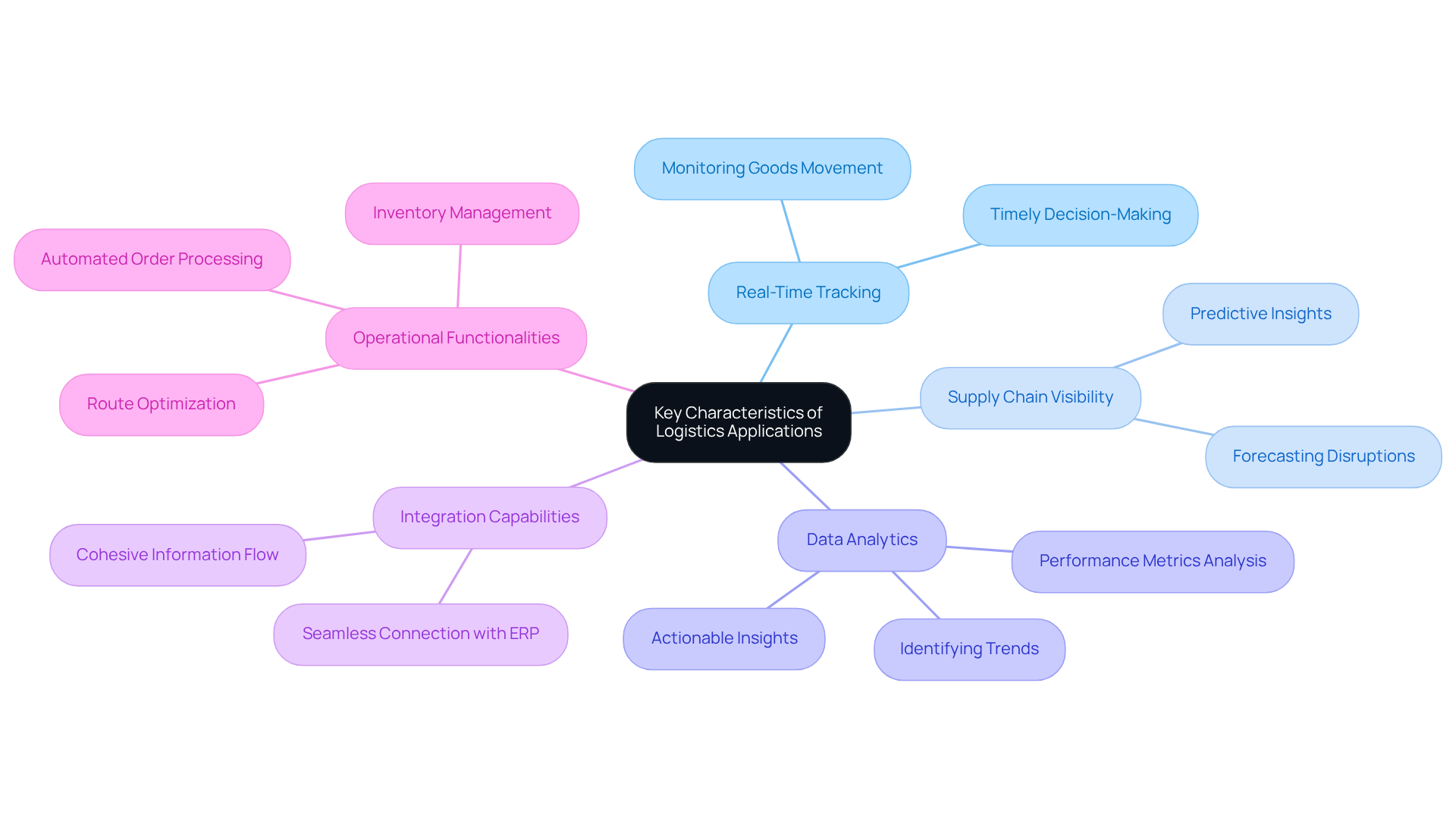
Key features of supply chain software are pivotal in driving operational efficiency and strategic decision-making. Real-time tracking is crucial; it allows businesses to monitor goods' movement throughout the supply chain, thereby facilitating timely decision-making. In 2026, supply chain visibility is anticipated to develop, offering predictive insights that assist in forecasting disruptions and enhancing operations. Data analytics features empower companies to analyze performance metrics, identify trends, and derive actionable insights for operational optimization. Integration capabilities are equally essential, enabling logistics applications to seamlessly connect with other systems, such as ERP and Customer Relationship Management (CRM) software, ensuring a cohesive flow of information across platforms.
Moreover, functionalities like route optimization, automated order processing, and inventory management play a crucial role in enhancing efficiency and reducing operational costs. For instance, companies that implement AI-driven supply chain solutions often report operating cost reductions of around 30%, alongside improved delivery speeds. Ultimately, leveraging these advanced features is essential for companies aiming to thrive in a competitive landscape.
Examine Real-World Examples of Logistics Applications in Action
The application of advanced supply chain technologies is reshaping industry standards and driving efficiency in logistics applications. Real-world examples of logistics applications underscore their transformative impact across various industries. For instance:
- A major retail chain implemented a Transportation Management System (TMS) that optimized delivery routes, achieving a 20% reduction in transportation costs while enhancing delivery times.
- In another case, a global manufacturer adopted a Warehouse Management System (WMS) that automated inventory tracking and order fulfillment processes, resulting in a remarkable 30% increase in warehouse efficiency.
- Additionally, real-time monitoring tools, such as those from Meight, improve supply chain visibility, enabling companies to manage disruptions proactively.
- Logistics applications that utilize Meight's AI-driven technology have led logistics providers to report significant enhancements in fleet oversight.
- Using Meight's optimized routing, drivers can cut fuel consumption, boost profitability, and support sustainability by reducing carbon emissions.
- This integration of real-time tracking capabilities has been shown to enhance operational efficiency significantly.
- Moreover, the implementation of advanced frameworks has led to improvements in fulfillment punctuality by 21.6% and a reduction in average delay duration by 18.4%.
As a result, companies that embrace these technologies can achieve substantial operational improvements and cost savings. Ultimately, the strategic adoption of these technologies can redefine competitive dynamics in logistics applications.

Conclusion
In an era of rapid change, logistics applications are essential for optimizing supply chain operations. These applications streamline processes such as inventory management and transportation coordination. This enables businesses to adapt quickly to market demands and enhance customer satisfaction. Leveraging advanced technologies like AI and machine learning allows organizations to enhance logistics operations, driving profitability and sustainability.
Throughout the article, key points highlight the importance of logistics applications in facilitating seamless communication across supply chains, reducing operational costs, and enhancing visibility. Real-world examples illustrate how companies have successfully implemented these technologies to achieve remarkable improvements in efficiency and cost savings. The evolution of logistics applications from manual processes to sophisticated digital solutions underscores the necessity for businesses to embrace innovation to remain competitive in a rapidly changing market.
In a landscape marked by rapid change, the role of logistics applications is more critical than ever. As organizations face increasing pressures from rising costs and demand for agility, adopting and integrating these tools is crucial for operational resilience and maintaining a competitive edge. Organizations that fail to adopt logistics applications risk falling behind in an increasingly competitive landscape.
Frequently Asked Questions
What are logistics applications?
Logistics applications are essential tools that enhance the planning and execution of logistics operations, including functionalities such as inventory oversight, transportation coordination, order processing, and real-time tracking.
How do logistics applications benefit supply chains?
They streamline operations, cut costs, and improve efficiency across supply chains. Companies that adopt AI-driven supply chain solutions can see significant reductions in transportation expenses and enhancements in inventory management.
Can you provide an example of the impact of logistics applications on profitability?
A global food manufacturing company achieved nearly $30 million in additional gross margin through improved demand forecasting and production scheduling, showcasing the measurable impact of logistics applications.
Why are logistics applications important in today's business environment?
In a fast-paced environment, logistics applications serve as the backbone of operations, ensuring timely delivery of goods in optimal condition, which is crucial for customer satisfaction.
What is an example of a logistics application that promotes sustainability?
Meight's road freight platform manages CO2 emissions to promote sustainable transportation practices while facilitating efficient load oversight and budget control.
How do advanced technologies like AI and machine learning impact logistics applications?
These technologies improve the functions of logistics systems, reducing operational expenses and boosting supply chain flexibility, thereby redefining operational standards in the logistics sector.
How do logistics applications facilitate supply chain management?
They ensure the seamless flow of information and goods among stakeholders, allowing logistics managers to coordinate procurement, warehousing, and distribution activities effectively.
What are Transportation Management Systems (TMS) and Warehouse Management Systems (WMS)?
TMS enhance route planning and freight management, while WMS improve inventory control and order fulfillment processes within logistics applications.
How does Meight's cloud-based platform enhance supply chain efficiency?
It provides flexible, secure, and scalable data solutions, complemented by personalized expert support, improving overall supply chain performance.
Why is it crucial to leverage logistics applications in the current market?
Given rising transportation costs and the demand for agility, leveraging logistics applications is essential for sustaining competitive advantage and operational resilience.