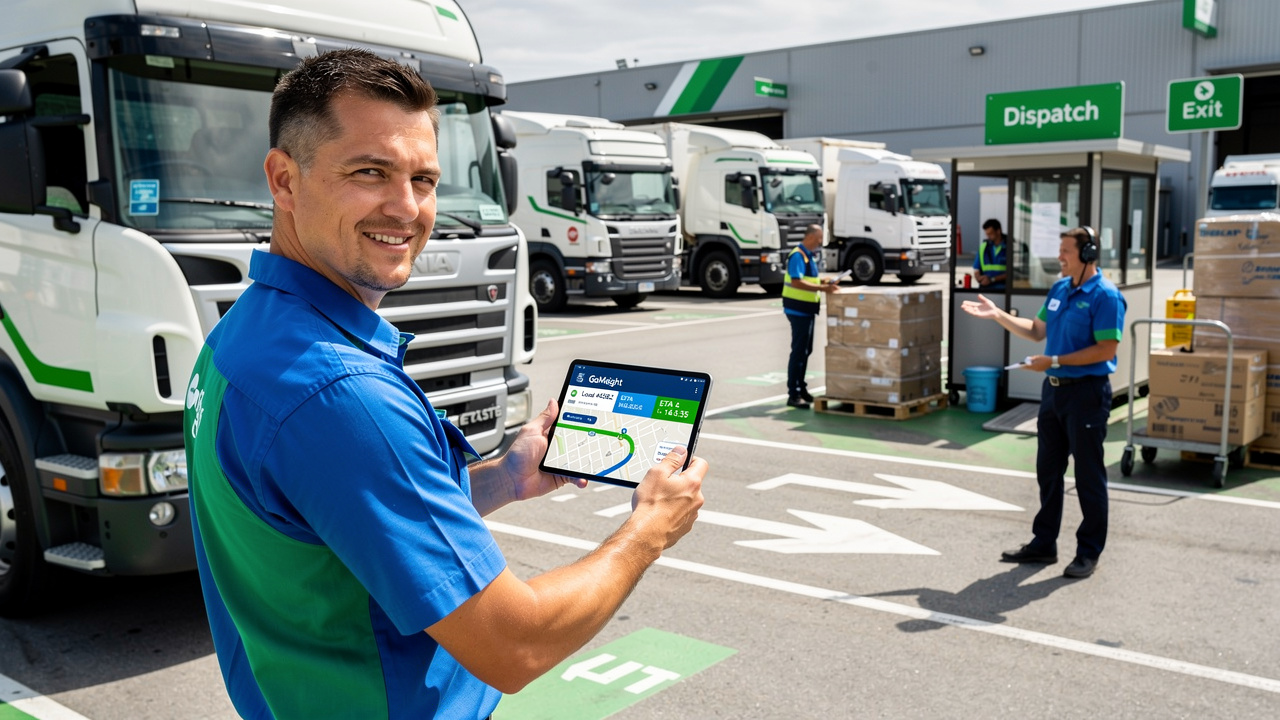

Introduction
In the complex landscape of vehicle logistics, operational efficiency is not just beneficial; it is essential for survival. This process encompasses coordinating shipments and managing inventory to deliver vehicles efficiently while controlling costs. Organizations face increasing costs and diminishing transparency, jeopardizing their financial health. To thrive, they must embrace innovative logistics solutions that enhance efficiency and visibility. The future of vehicle logistics hinges on the ability to innovate and adapt in a rapidly changing environment.
Define Vehicle Logistics: Core Concepts and Functions
Transport organization is a complex process that encompasses the planning, execution, and management of vehicle logistics, which is critical for operational success. This process includes:
- Coordinating shipments from manufacturers to dealerships
- Managing inventory
- Optimizing delivery routes
The main goal of vehicle logistics is to guarantee efficient and cost-effective delivery of automobiles while adhering to quality standards and regulatory compliance. Rising operational costs are a pressing challenge that transportation organizations must address to maintain profitability; 84% of industry experts recognize increasing costs as a major obstacle in vehicle handling. Moreover, 66% indicate a lack of visibility into transport status, which can impede efficiency.
The integration of advanced technologies is expected to transform operational efficiency, leading to significant cost reductions and enhanced service delivery. Successful instances of transportation coordination showcase the significance of real-time visibility and system integration, with 95% of service providers expecting that enhanced IT systems will increase operational efficiency.
Platforms like Meight are leading this evolution by managing 43.8 kton CO2 emissions and providing seamless cloud integration for efficient load management and budget control. As the automotive supply chain evolves, effective vehicle logistics management will be pivotal in driving operational efficiency and customer satisfaction, ultimately shaping the industry's future.

Contextualize Vehicle Logistics: Role in Modern Supply Chains
In the evolving landscape of supply chains, effective vehicle logistics management is critical for ensuring timely delivery of vehicles to diverse markets. This process necessitates collaboration among manufacturers, supply chain providers, and dealerships to streamline operations effectively. As customer expectations rise, companies face increasing pressure to enhance their vehicle logistics management strategies.
By leveraging advanced technologies such as real-time tracking, IoT sensors, and data analytics, organizations can significantly improve their supply chain processes, thereby reducing lead times and enhancing customer satisfaction. For instance, the incorporation of self-driving transports and AI-powered solutions is expected to revolutionize efficiency in supply chain management, enabling continuous operations and improved route planning.
As the automotive sector adapts to these advancements, the integration of vehicle logistics strategies is essential for maintaining a competitive edge.

Trace the Evolution of Vehicle Logistics: Historical Insights
Transportation management has evolved significantly since its inception in the early automotive sector, where basic techniques often fell short of efficiency. The introduction of assembly line production in the early 20th century marked a pivotal shift, as supply chain processes began to formalize with a focus on the efficient movement of components and completed automobiles. The 1920s witnessed the rise of specialized transport methods, such as car carriers, which greatly improved supply chain capabilities.
Over the decades, technological innovations have played a crucial role in transforming the field of vehicle logistics. Today, artificial intelligence and machine learning are reshaping the industry, facilitating predictive analytics and improving decision-making. This ongoing evolution reflects the industry's commitment to adapting to the complexities of modern supply chains and the increasing demand for efficiency.
Companies like Meight are at the forefront of this transformation, utilizing AI-driven solutions to optimize routing and reduce emissions, thereby enhancing fleet management and sustainability in road freight. However, the industry grapples with significant challenges, including a driver shortage and supply chain disruptions. The driver vacancy rate is nearing 15%, and recent issues with aluminum coils and semiconductors have further complicated matters.
Additionally, the completed transportation market is anticipated to expand at a CAGR of 5.2% from 2026 to 2030, indicating the rising demand for efficiency and total supply chain visibility, as emphasized by industry specialists. To remain competitive, the transportation sector must adapt to the anticipated rise of electric vehicles, which are expected to represent 25% of auto sales by 2030. The industry's ability to adapt to these trends will determine its future competitiveness and sustainability.

Identify Key Characteristics: Components of Vehicle Logistics
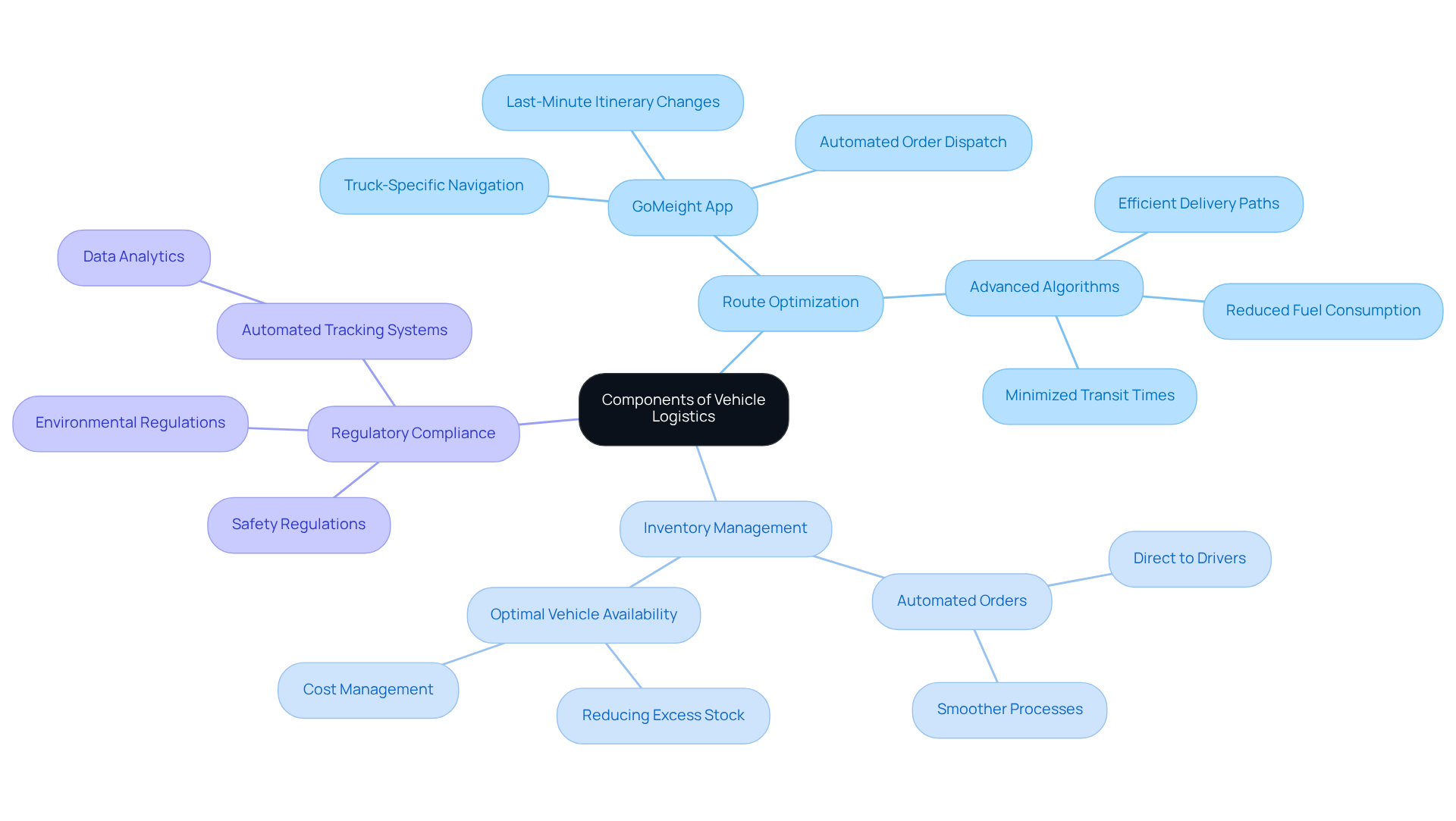
Efficient transport logistics hinges on key elements such as route optimization, inventory management, and regulatory compliance, each playing a vital role in operational success. Route optimization employs advanced algorithms to identify the most efficient delivery paths, significantly reducing fuel consumption and transit times. Meight's GoMeight app exemplifies this by automating order dispatch, providing truck-specific navigation, and seamlessly handling last-minute itinerary changes, ensuring that drivers follow predefined routes and avoid problematic roads and bridges. This technological integration enhances operational efficiency and supports sustainability by reducing carbon emissions.
Inventory management plays a critical role in ensuring that the appropriate number of automobiles is available at optimal locations, thereby reducing excess stock and associated costs. A recent survey indicates that 84% of industry professionals view rising costs as the foremost challenge in vehicle transportation, underscoring the need for effective inventory strategies. The GoMeight app helps transport providers by allowing them to send automated orders straight to drivers, making the process smoother and ensuring deliveries are on time.
Furthermore, compliance with regulatory standards, encompassing safety and environmental regulations, is crucial for preserving functional integrity and evading potential penalties. The incorporation of technology, like Meight's automated tracking systems and data analytics, improves these traits, allowing service providers to react quickly to market needs and functional challenges. As Dennis Feddern, Senior Vice President of vehicle logistics, stated, 'The real challenge is transforming operational data into improved decisions throughout the vehicle logistics supply chain network.' By adopting advanced logistics technology, companies can mitigate rising costs and enhance operational efficiency. Ultimately, embracing technology in logistics not only addresses current challenges but also positions companies for future growth and resilience in a competitive market.
Conclusion
Navigating the complexities of modern supply chains requires a deep understanding of vehicle logistics, which is often overlooked yet critical for success. Coordinating transportation, inventory management, and regulatory compliance is crucial for ensuring vehicles reach their destinations efficiently and cost-effectively. As the industry evolves, integrating advanced technologies is key to boosting operational efficiency and meeting customer demands.
Throughout the article, key insights have been presented, highlighting the historical evolution of vehicle logistics, the importance of real-time data, and the necessity for collaboration among stakeholders. The challenges posed by rising operational costs and a driver shortage underscore the urgency for companies to adopt innovative solutions. Moreover, as the market adapts to trends such as electric vehicles and autonomous transport, leveraging technology becomes not just beneficial but essential for maintaining a competitive edge.
Ultimately, vehicle logistics is more than just transportation; it’s a driving force shaping the future of the automotive industry. Embracing advanced logistics practices and technologies will not only address current challenges but also pave the way for sustainable growth and enhanced customer satisfaction. The future of the automotive industry hinges on how well organizations adapt their logistics strategies to meet evolving demands and challenges.
Frequently Asked Questions
What is vehicle logistics?
Vehicle logistics refers to the planning, execution, and management of the transportation process for automobiles, which includes coordinating shipments from manufacturers to dealerships, managing inventory, and optimizing delivery routes.
What are the main goals of vehicle logistics?
The main goals of vehicle logistics are to ensure efficient and cost-effective delivery of automobiles while adhering to quality standards and regulatory compliance.
What challenges do transportation organizations face in vehicle logistics?
Transportation organizations face challenges such as rising operational costs, with 84% of industry experts identifying this as a major obstacle, and 66% indicating a lack of visibility into transport status, which can hinder efficiency.
How can advanced technologies impact vehicle logistics?
The integration of advanced technologies is expected to transform operational efficiency in vehicle logistics, leading to significant cost reductions and enhanced service delivery.
What role does real-time visibility play in vehicle logistics?
Real-time visibility is crucial for successful transportation coordination, as it allows for better tracking and management of logistics operations, ultimately improving efficiency.
How do platforms like Meight contribute to vehicle logistics?
Platforms like Meight contribute to vehicle logistics by managing CO2 emissions and providing seamless cloud integration for efficient load management and budget control.
Why is effective vehicle logistics management important for the automotive industry?
Effective vehicle logistics management is important as it drives operational efficiency and customer satisfaction, which are pivotal for shaping the future of the automotive supply chain.