Introduction
The effectiveness of carriers in logistics significantly influences supply chain management outcomes. These transporters act as a crucial link between manufacturers and consumers, ensuring that goods move efficiently from point A to point B. As the logistics landscape evolves, the role of reliable carriers in enhancing supply chain efficiency becomes increasingly critical.
Businesses often struggle with inconsistent carrier performance and varying service levels, complicating their logistics decisions. Without effective carrier partnerships, businesses risk delays, increased costs, and diminished customer satisfaction.
Define Carrier: The Core Concept in Logistics
Transporters play a critical role in supply chain management, legally facilitating the movement of goods across various modes of transport. They are accountable for the physical movement of freight, as indicated on the bill of lading. This definition encompasses several categories of transporters:
- Common transporters, which move goods for the general public
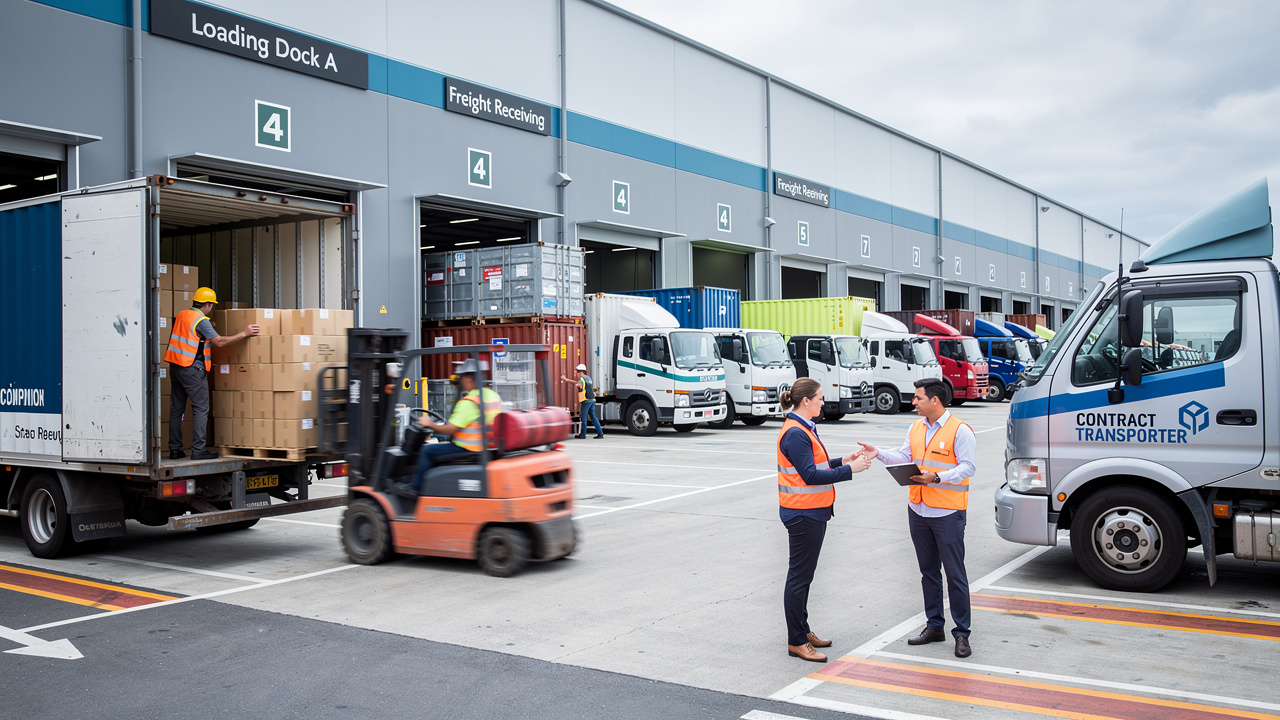
- Contract transporters, which offer services under specific agreements
- Private transporters, which convey their own goods
By 2026, trucks are expected to transport about 72.7% of the nation's freight by weight, underscoring their dominance in logistics. Moreover, 97% of U.S. trucking companies operate with 20 trucks or fewer, emphasizing the significant role of smaller firms in the industry. Transporters are increasingly recognized for their impact on supply chain effectiveness, with 60% of shippers reporting heightened performance expectations.
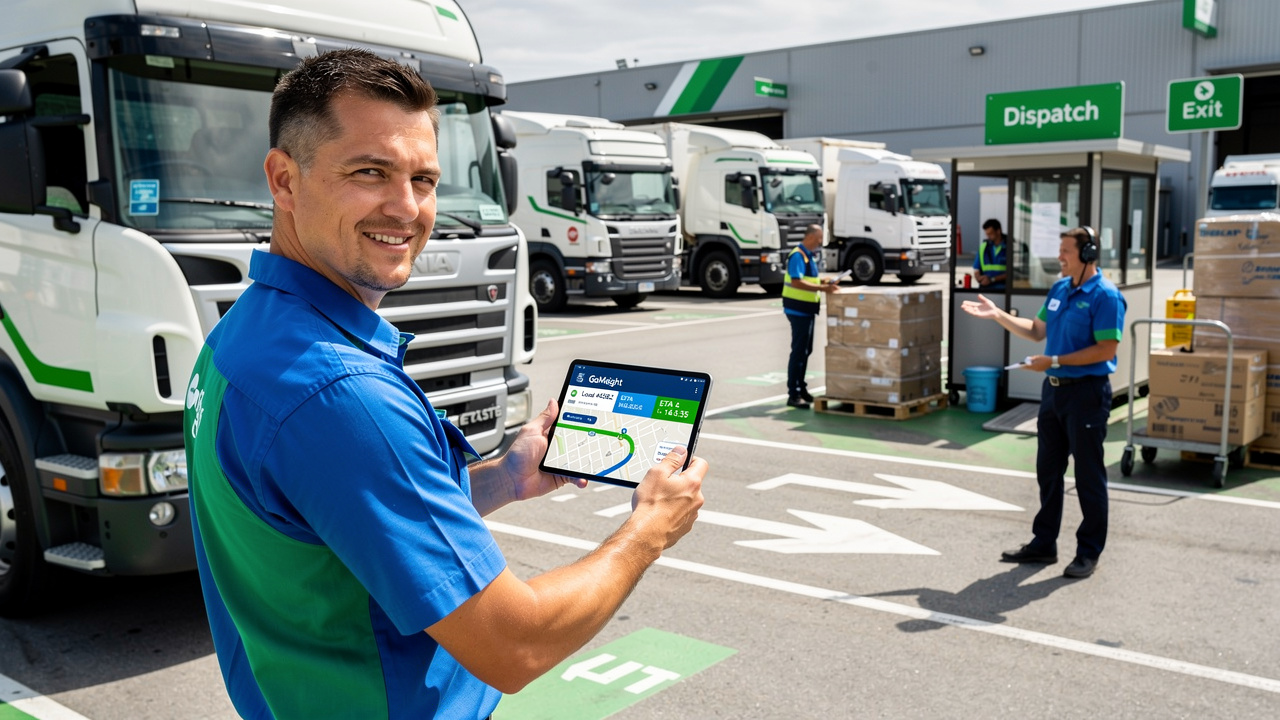
The adoption of technology, such as freight tracking systems, is becoming standard; 55% of transporters are implementing these features to enhance visibility and operational efficiency. This trend underscores the evolving role of transporters in logistics, as they adapt to meet shippers' growing demands and improve supply chain management.

Contextualize the Role of Carriers in Supply Chain Management
In supply chain management, understanding what is a carrier is essential, as they play a critical role by acting as the link between shippers and end consumers. They transport goods from manufacturers to warehouses, retailers, and ultimately to customers. The efficiency of a supply chain is closely linked to transport performance; delays and inefficiencies in transport can lead to significant financial losses and diminished customer satisfaction. For example, studies show that inadequate transport performance can result in higher expenses, including detention charges that may vary from $50 to $100 per hour and unladen miles representing up to 35% of overall miles traveled. This highlights the significant financial risks associated with relying on unreliable transporters.
Collaboration with freight forwarders is another essential element of transport operations. Freight forwarders handle transportation and documentation, ensuring that shipments are processed smoothly. Such collaboration is crucial for enhancing delivery efficiency and reducing operational expenses. For instance, a leading global plastic manufacturer improved transportation efficiency by 50% and reduced detention costs by 40% through the implementation of advanced shipping management systems, illustrating the advantages of effective collaboration with transport providers.
Furthermore, as the logistics environment changes, the significance of transport reliability becomes more evident. Experts stress that shippers must strategically select transporters based on performance metrics to uphold operational efficiency and customer trust. In fact, 69% of consumers are less likely to shop with a retailer if deliveries exceed two days past the promised date, underscoring the direct link between delivery service performance and customer loyalty. Therefore, optimizing shipping relationships is not merely a logistical necessity but a strategic imperative for businesses seeking to succeed in a competitive market. Thus, the strategic optimization of shipping relationships is vital for maintaining a competitive advantage in today's market. By collaborating with Meight, transport providers can create their own success narratives and improve their operational efficiency through our AI platform, which optimizes routing and decreases fuel usage, aligning with sustainability objectives.

Explore the Historical Evolution of Carriers in Logistics
Transporters in supply chain management originated from ancient trade paths, where goods were transported by foot or animal. The Industrial Revolution marked a pivotal shift, introducing railroads and steamships that revolutionized freight transportation. These innovations facilitated quicker and more effective transportation of goods, significantly improving the capacity and reach of supply chain operations. The late 20th-century deregulation of the trucking industry transformed the landscape, increasing the number of transporters and competition in the sector.
In 2024, domestic trucks carried an estimated 11.27 billion tons of freight, highlighting the essential role of trucking in the supply chain. The introduction of advanced technologies, such as GPS tracking and automated supply chain systems, has enabled carriers to optimize their operations and respond effectively to the demands of a globalized economy. For example, the incorporation of technology has simplified processes, allowing 53% of third-party supply chain providers (3PLs) to complete orders in under one hour, indicating the sector's transition towards effectiveness and speed.
Case studies illustrate the profound impact of these changes. In 1956, Malcolm McLean introduced shipping containers, which standardized shipping methods and greatly enhanced transportation efficiency. This innovation established the foundation for contemporary supply chain practices, enabling companies to transport and store large quantities of goods efficiently. Furthermore, the emergence of technology in the 1980s, such as the adoption of personal computers and the Internet, revolutionized management of the supply chain, resulting in the creation of roles that supervise the complete movement of products from raw materials to consumers.
Overall, the historical viewpoint of transporters in supply chain management emphasizes their flexibility in reaction to technological progress and market shifts, demonstrating how the sector has developed to address the challenges of contemporary supply networks. This evolution illustrates the sector's ability to adapt and thrive amidst ongoing technological advancements and market demands.

Identify Key Characteristics and Types of Carriers
Understanding what is a carrier in transportation is crucial for optimizing logistics operations. To understand what is a carrier, one can categorize them based on their operational models and the services they offer. Common transport providers must offer transportation services to the public. This requirement ensures they serve all customers without discrimination. This open-access model is regulated by government agencies, which can influence pricing and service reliability. In contrast, contract transporters operate under specific agreements with shippers, which leads to the question of what is a carrier that can provide customized delivery solutions to meet unique business needs.
Private transporters use their own fleets to move goods just for their companies, which leads to the question of what is a carrier in relation to better control over service quality and efficiency. Third-party logistics providers (3PLs) manage transportation on behalf of other businesses, leading to the question of what is a carrier in the context of streamlining logistics processes and optimizing fulfillment.
To understand what is a carrier, one must recognize that effective transporters are characterized by three key attributes:
- Reliability
- Capacity
- Adherence to regulatory standards
These attributes collectively enhance their service quality. For instance, common transporters often struggle with delays due to their broad service obligations, while dedicated contract transporters can offer more reliable service by focusing on a limited number of clients. Understanding what is a carrier is essential for selecting the right transporter, which can significantly enhance operational efficiency and reduce costs. Moreover, freight brokers play an essential role in linking companies with appropriate transporters, further enhancing the supply chain process. With Meight's automatic load matching technology, transport providers can optimize their operations by seamlessly pairing upcoming loads with available drivers and trucks, addressing the unique challenges faced by different carrier types. Ultimately, understanding what is a carrier can be a decisive factor in a company's logistical success.

Conclusion
The complexities of supply chain management hinge significantly on the effectiveness of carrier relationships. Carriers serve as the vital link between shippers and consumers, ensuring that goods are transported efficiently from manufacturers to end-users. Their performance significantly impacts supply chain effectiveness, underscoring the need for selecting reliable transporters to ensure operational efficiency and customer satisfaction.
Throughout the article, key insights were shared regarding the various types of carriers, including common, contract, and private transporters, each with distinct operational models and characteristics. The historical evolution of carriers illustrates their adaptability to technological advancements and market demands, showcasing how innovations like shipping containers and GPS tracking have transformed logistics. Furthermore, the collaboration between carriers and freight forwarders is emphasized as a crucial factor in enhancing delivery efficiency and reducing costs.
These insights reveal that optimizing relationships with carriers is a strategic imperative for businesses seeking to thrive in a competitive landscape. Without dependable carriers, businesses risk delays, increased costs, and diminished customer trust. This oversight can result in lost market share and reduced profitability. As the logistics environment continues to evolve, embracing technology and fostering collaboration are essential for improving supply chain efficiency. By prioritizing the selection of reliable carriers and leveraging advanced solutions, companies can enhance their operational performance and ultimately drive customer loyalty. Ultimately, the choice of carriers can determine a company's ability to compete and succeed in the marketplace.
Frequently Asked Questions
What is the definition of a carrier in logistics?
A carrier in logistics is a transporter that legally facilitates the movement of goods across various modes of transport and is accountable for the physical movement of freight, as indicated on the bill of lading.
What are the different categories of transporters?
The different categories of transporters include common transporters, which move goods for the general public; contract transporters, which offer services under specific agreements; and private transporters, which convey their own goods.
What percentage of freight is expected to be transported by trucks by 2026?
By 2026, trucks are expected to transport about 72.7% of the nation's freight by weight.
What is the significance of smaller trucking companies in the industry?
97% of U.S. trucking companies operate with 20 trucks or fewer, highlighting the significant role of smaller firms in the logistics industry.
How are transporters impacting supply chain effectiveness?
Transporters are increasingly recognized for their impact on supply chain effectiveness, with 60% of shippers reporting heightened performance expectations.
What technology is being adopted by transporters to improve operations?
Transporters are adopting technology such as freight tracking systems, with 55% implementing these features to enhance visibility and operational efficiency.
How are transporters adapting to meet shippers' demands?
Transporters are evolving their roles in logistics by adopting new technologies and improving their operations to meet the growing demands of shippers and enhance supply chain management.