

5 Best Practices for E2E Supply Chain Management Success
Introduction
The efficiency of supply chains is a critical determinant of business success in today's interconnected marketplace. Effective supply chain management not only streamlines operations but also enhances visibility and responsiveness, ultimately leading to improved customer satisfaction and reduced costs. Despite the potential benefits, organizations often encounter significant hurdles in adopting E2E supply chain management. Identifying and implementing these best practices can significantly enhance operational efficiency and customer satisfaction.
Define End-to-End Supply Chain Management
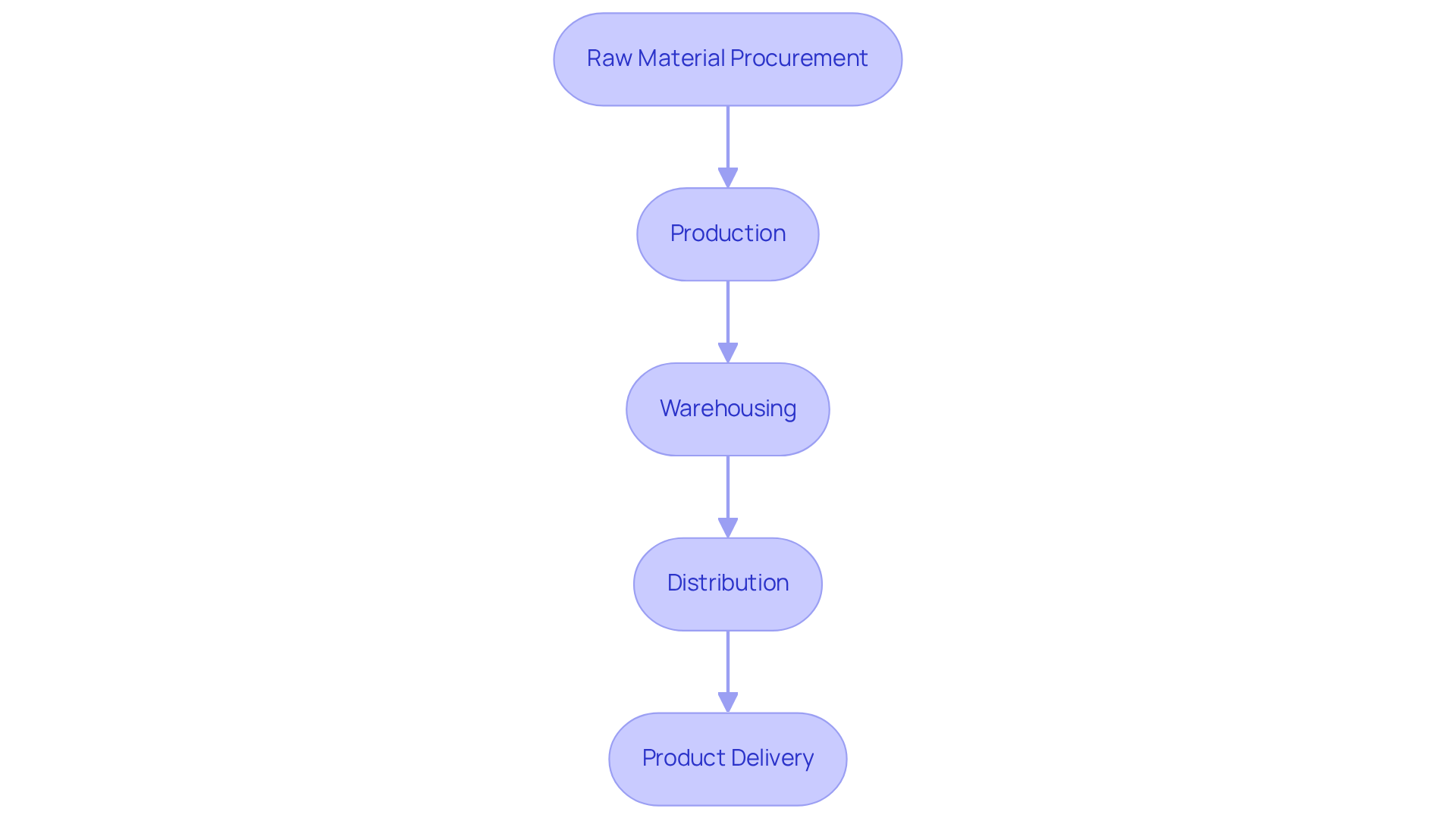
Effective management of logistics processes is crucial for operational success in today's competitive landscape. E2E supply chain management integrates all phases of the logistics process, from raw material procurement to product delivery. This approach ensures that all phases of the logistics network are interconnected, fostering seamless communication and coordination among stakeholders. By adopting an e2e supply chain management perspective, organizations can significantly enhance visibility across their operations, reduce delays, and improve overall efficiency. This results in happier customers and lower operational costs, making e2e supply chain management a critical strategy for modern logistics providers. Organizations that neglect e2e supply chain management may find themselves at a competitive disadvantage, struggling to meet customer expectations efficiently.
Identify Key Components of E2E Supply Chain
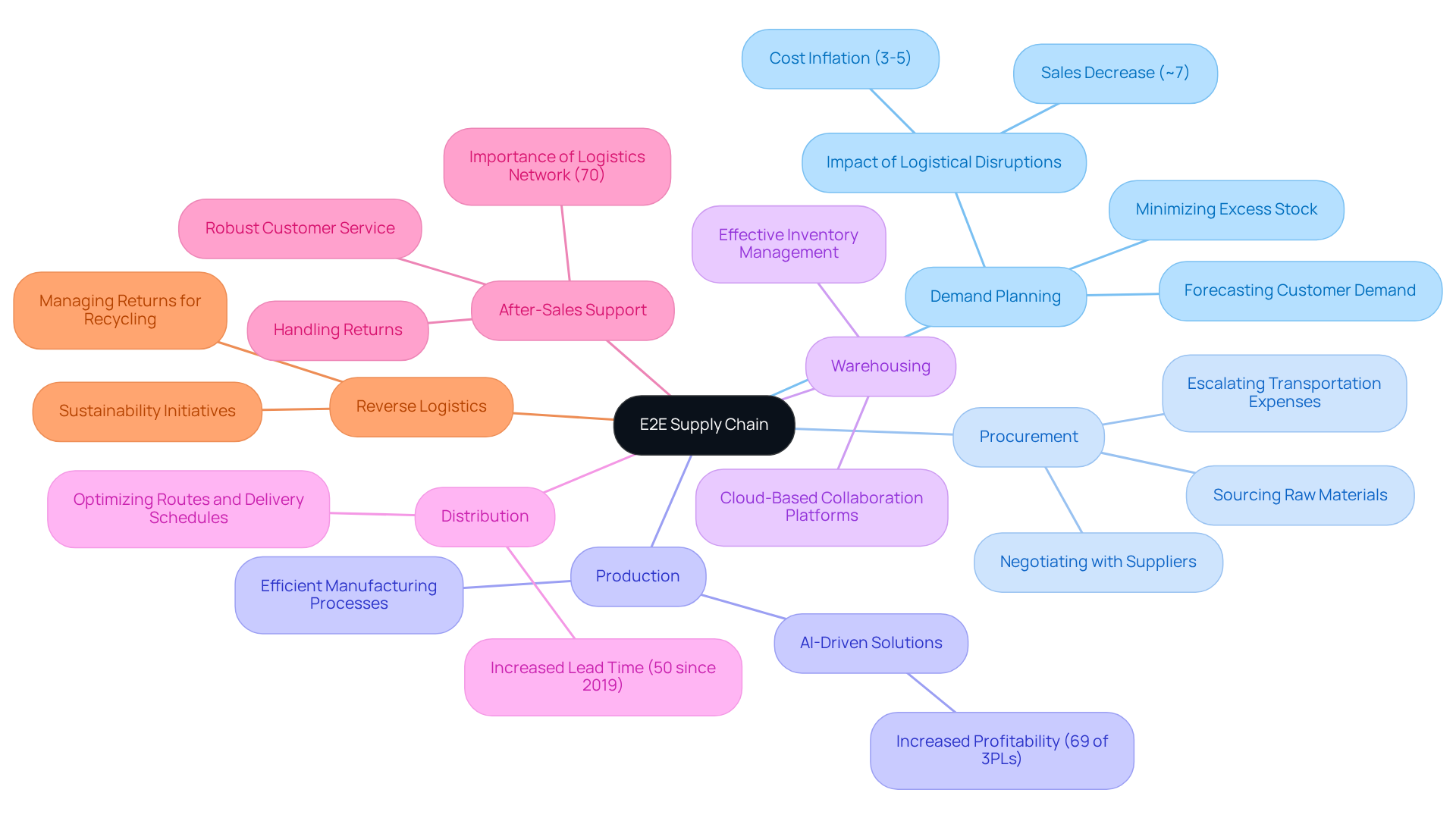
A comprehensive understanding of the key components of a Supply Chain is essential for achieving operational efficiency and customer satisfaction:
- Demand Planning: This involves accurately forecasting customer demand to align production and inventory levels, a practice essential for minimizing excess stock and avoiding shortages. Efficient demand planning can greatly lower operational expenses. Logistical disruptions can significantly inflate costs, impacting overall profitability, and may diminish sales by approximately 7%.
- Procurement: Sourcing raw materials and negotiating with suppliers is crucial for ensuring quality and cost-effectiveness. As organizations face escalating transportation expenses, strategic procurement becomes vital for maintaining competitive pricing and operational resilience.
- Production: Efficient manufacturing processes are necessary to minimize waste and maximize resource utilization. Companies that adopt AI-driven solutions in production are better positioned to enhance reliability and reduce costs. This shift towards AI-driven solutions not only enhances reliability but also contributes to improved profitability, with 69% of third-party logistics providers reporting increased profitability due to such efficiencies.
- Warehousing: Effective inventory management and prompt order fulfillment are critical for maintaining service levels. The integration of cloud-based Supply Chain Collaboration Platforms can enhance visibility and streamline warehousing operations, allowing for quicker response times to market demands.
- Distribution: Coordinating the transportation of goods to customers involves optimizing routes and delivery schedules. With the average lead time for shipments from China to the U.S. increasing by 50% since 2019, efficient distribution strategies are more critical than ever.
- After-Sales Support: Providing robust customer service and handling returns are vital for maintaining customer satisfaction. A GEODIS survey shows that 70% of companies consider their logistics network as essential for providing outstanding customer service, emphasizing the significance of this element.
- Reverse Logistics: Managing the return of products for recycling or disposal is essential for ensuring sustainability in operations. As companies increasingly focus on sustainability initiatives, effective reverse logistics can enhance brand reputation and compliance with environmental standards.
Ultimately, a well-integrated logistics network is not just a competitive advantage; it is a necessity for meeting evolving customer expectations and driving business success.
Highlight Benefits of E2E Supply Chain Practices
Implementing End-to-End Supply Chain practices can transform operational performance, yielding significant benefits for organizations:
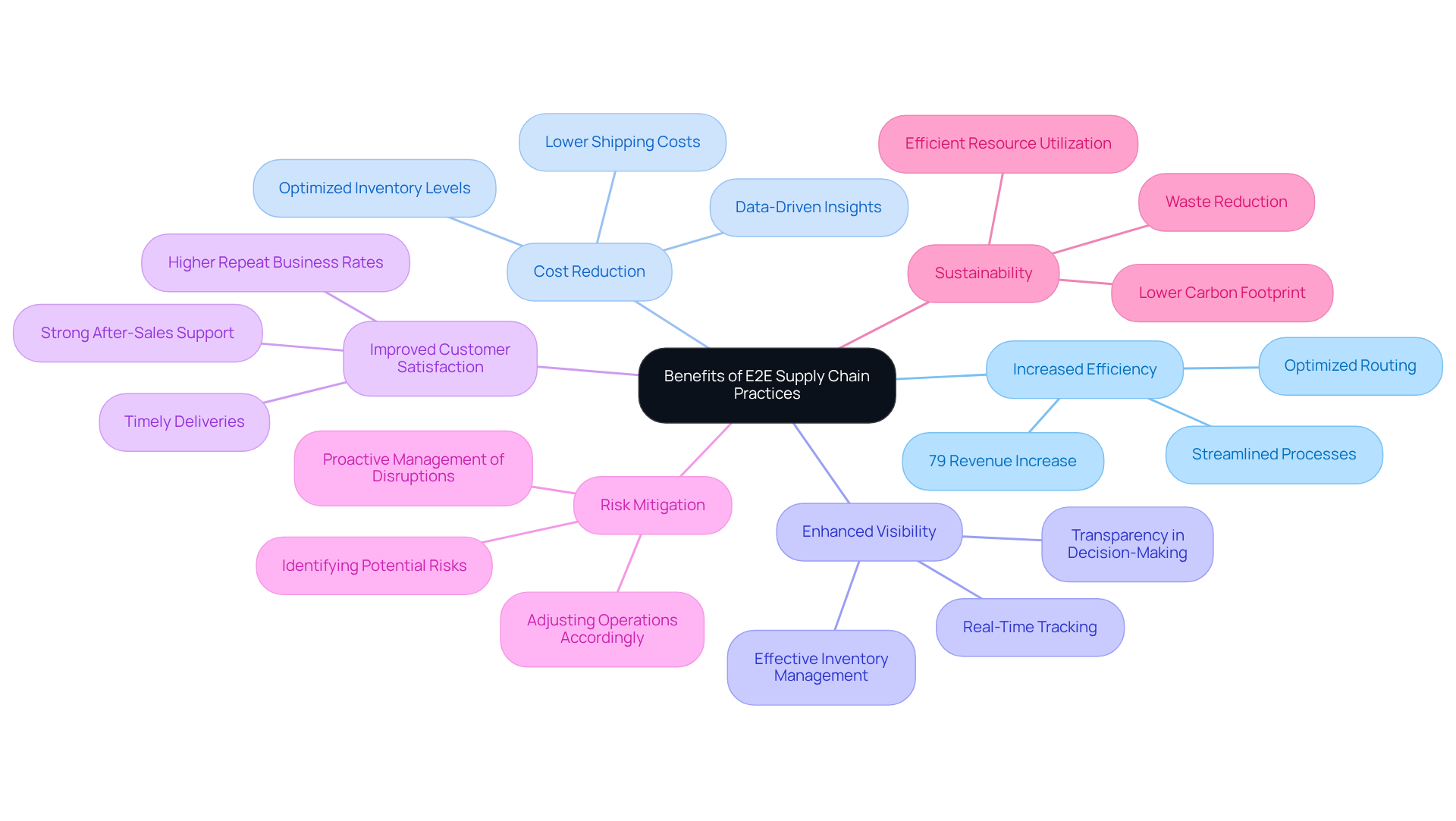
- Increased Efficiency: Streamlined processes minimize lead times and operational delays, enabling organizations to respond swiftly to market demands. Organizations using e2e supply chain management solutions, such as an AI-driven application, have seen a 79% increase in revenue due to improved logistics processes. This technology optimizes routing, allowing drivers to spend less on fuel, which enhances profitability and reduces carbon emissions.
- Cost Reduction: By optimizing inventory levels and refining procurement strategies, organizations can achieve substantial reductions in operational costs. E2E supply chain management often leads to lower shipping costs and eliminates unnecessary expenses, thereby enhancing profitability. This technology supports this by providing data-driven insights that improve decision-making.
- Enhanced Visibility: Real-time tracking and data sharing across the supply chain foster transparency, allowing for informed decision-making. This visibility helps manage inventory levels effectively, reducing waste and ensuring timely delivery of products. This technology allows logistics providers to monitor performance and adjust strategies accordingly, enhancing overall visibility.
- Improved Customer Satisfaction: Ensuring timely deliveries and strong after-sales support fosters customer loyalty and satisfaction. E2E supply chain management practices ensure that products meet customer expectations, which leads to higher rates of repeat business. As Amy Roach states, "Fast delivery and exceptional service aren’t luxuries - they’re expectations in today’s competitive landscape." The company's solutions assist in fulfilling these expectations by optimizing operations.
- Risk Mitigation: Without a well-integrated supply chain, organizations struggle to effectively manage disruptions, leading to significant operational challenges. By adopting a proactive approach, organizations can significantly reduce the risk of financial losses from disruptions, such as fraudulent orders and system failures. The intelligent transport platform aids in identifying potential risks and adjusting operations accordingly.
- E2E supply chain management often incorporates sustainable methods, such as efficient resource utilization and waste reduction, aligning with corporate social responsibility goals. Organizations that adopt these practices not only enhance their operational efficiency but also contribute positively to the environment. By employing this technology, companies can significantly decrease their carbon footprint while enhancing their logistics operations.
Case studies illustrate these benefits in action. For example, firms that have incorporated e2e supply chain management with Meight have experienced notable enhancements in inventory oversight, resulting in decreased safety stock and related expenses. The "Improving Inventory Management" case study shows how insights into delivery times and carrier performance can lead to a significant reduction in safety stock, minimizing additional costs associated with maintaining high stock levels. Furthermore, organizations that emphasize collaboration and communication throughout the logistics network report improved operational flow and customer satisfaction. Ultimately, embracing e2e supply chain management practices is not just a choice; it is a necessity for organizations aiming to thrive in a competitive landscape.
Address Challenges in Implementing E2E Supply Chain
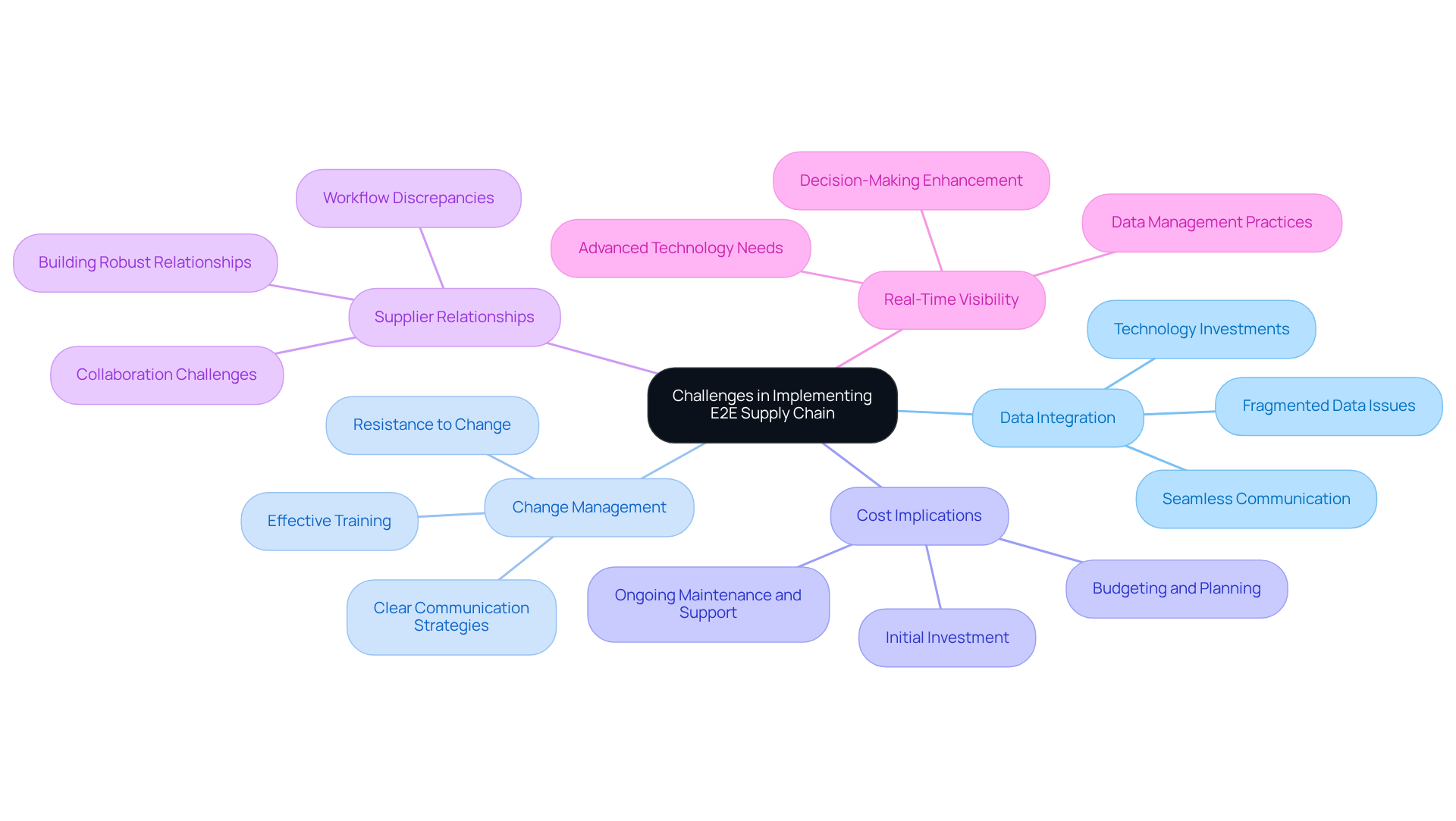
Implementing an End-to-End (E2E) supply chain involves navigating several critical challenges that can impact operational efficiency:
- Data Integration: Achieving seamless communication among various systems and platforms can be intricate, often necessitating substantial investments in technology. Fragmented data often results in significant delays and operational inefficiencies, hindering overall supply chain performance. The implementation process ensures that logistics providers can integrate their systems transparently, without incurring unexpected fees.
- Change Management: Resistance to changes in established processes is common among employees. Effective training and clear communication strategies are essential to facilitate a smooth transition and foster a culture of continuous improvement. Comprehensive training and support are essential for helping employees adapt to new workflows effectively.
- Cost implications show that the initial investment required for e2e supply chain management systems and processes can be considerable. Organizations must engage in careful budgeting and strategic planning to manage these upfront costs effectively. This service addresses these concerns by providing ongoing maintenance, expert support, and regular updates, all included in the initial investment, allowing organizations to focus on their core operations.
- Building robust relationships with suppliers is crucial for e2e supply chain management success, yet it can be challenging due to differing priorities and communication styles. The tailored implementation strategy assists in examining workflow discrepancies and prioritizing areas for optimization, fostering better collaboration.
- Real-Time Visibility: Achieving comprehensive visibility across the supply chain demands advanced technology and consistent data management practices. The intelligent transport platform from the company offers the tools necessary for real-time visibility, enhancing decision-making and operational efficiency.
To navigate these challenges, organizations should prioritize fostering a collaborative culture, invest in technologies that support integration, and provide ongoing training to employees. Addressing these challenges not only streamlines operations but also positions organizations for long-term success in a competitive landscape.
Implement Best Practices for E2E Optimization
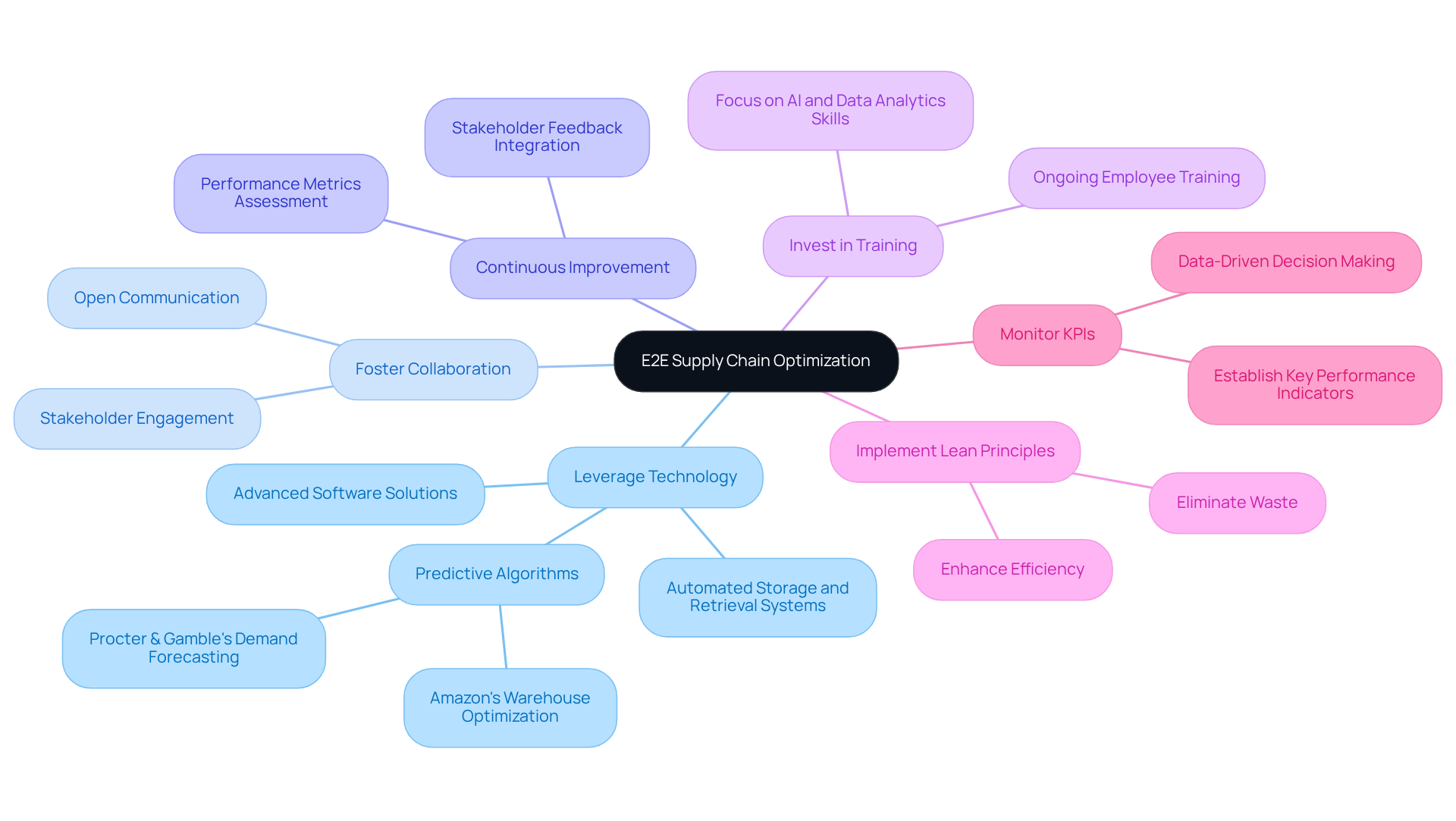
To optimize your e2e supply chain management, organizations must adopt a strategic approach that incorporates technology, collaboration, and continuous improvement.
- Leverage Technology: Implement advanced software solutions that facilitate real-time tracking, data analytics, and inventory management. This enhances visibility and supports informed decision-making, which is crucial for effectively managing the complexities of modern logistics. For instance, companies like Amazon utilize predictive algorithms to optimize warehouse stocking and delivery routes, demonstrating how efficiency can be achieved through innovative practices.
- Foster Collaboration: Promote open communication and collaboration among all stakeholders, including suppliers, manufacturers, and logistics providers. This approach streamlines processes and enhances responsiveness, allowing organizations to adapt quickly to market changes and disruptions. This adaptability is crucial for maintaining a competitive edge in a volatile market.
- Continuous Improvement: Regularly assess and enhance logistics processes based on performance metrics and stakeholder feedback. This iterative approach helps identify areas for enhancement, ensuring that operations remain agile and efficient in a rapidly evolving landscape.
- Invest in Training: Provide ongoing training for employees to equip them with the necessary skills to adapt to new technologies and processes. As the demand for expertise in AI and data analytics grows, workforce development becomes a strategic priority for maintaining competitive advantage.
- Implement Lean Principles: Adopt lean methodologies to eliminate waste and enhance efficiency throughout the logistics network. By focusing on value-added activities, organizations can enhance productivity and reduce operational costs.
- Monitor Key Performance Indicators (KPIs): Establish KPIs to measure the effectiveness of supply chain operations. This data-driven approach enables organizations to make informed decisions and implement improvements that drive performance.
By implementing these strategies, organizations can enhance their efficiency in e2e supply chain management while also ensuring long-term sustainability and competitiveness.
Conclusion
In a landscape where competition is fierce, effective end-to-end (E2E) supply chain management becomes a critical differentiator for organizations. By integrating all phases of the logistics process-from demand planning to after-sales support-businesses can enhance visibility, reduce costs, and improve customer satisfaction. Embracing E2E practices not only streamlines operations but also positions companies to meet evolving market demands with agility and efficiency.
The article outlines several key components critical to successful E2E supply chain management, including:
- Demand planning
- Procurement
- Production
- Warehousing
- Distribution
- After-sales support
- Reverse logistics
Each element plays a vital role in ensuring operational efficiency and customer satisfaction. Additionally, the benefits of implementing E2E practices are significant, ranging from increased efficiency and cost reduction to enhanced visibility and improved risk management. Organizations often struggle with data integration and change management, which can hinder the full realization of E2E benefits.
Ultimately, the adoption of best practices in E2E supply chain management is not merely an operational choice; it is a strategic necessity. Organizations are encouraged to leverage technology, foster collaboration, and commit to continuous improvement to optimize their supply chains. Without addressing these challenges, organizations risk falling behind in operational efficiency and customer satisfaction, jeopardizing their long-term success.
Frequently Asked Questions
What is End-to-End (E2E) Supply Chain Management?
E2E supply chain management integrates all phases of the logistics process, from raw material procurement to product delivery, ensuring interconnectedness and seamless communication among stakeholders.
Why is E2E supply chain management important for organizations?
It enhances visibility across operations, reduces delays, improves efficiency, leads to happier customers, and lowers operational costs, making it a critical strategy for modern logistics providers.
What are the consequences of neglecting E2E supply chain management?
Organizations that neglect E2E supply chain management may struggle to meet customer expectations efficiently and find themselves at a competitive disadvantage.
What are the key components of an effective supply chain?
The key components include demand planning, procurement, production, warehousing, distribution, after-sales support, and reverse logistics.
How does demand planning contribute to supply chain efficiency?
Demand planning involves accurately forecasting customer demand to align production and inventory levels, minimizing excess stock and avoiding shortages, which can lower operational expenses.
What role does procurement play in supply chain management?
Procurement involves sourcing raw materials and negotiating with suppliers to ensure quality and cost-effectiveness, which is vital for maintaining competitive pricing and operational resilience.
How can production processes be optimized in supply chain management?
Efficient manufacturing processes minimize waste and maximize resource utilization, with AI-driven solutions enhancing reliability and reducing costs, leading to improved profitability.
Why is warehousing important in the supply chain?
Effective inventory management and prompt order fulfillment are critical for maintaining service levels, and cloud-based Supply Chain Collaboration Platforms can enhance visibility and streamline operations.
What challenges are associated with distribution in supply chain management?
Coordinating the transportation of goods involves optimizing routes and delivery schedules, especially as lead times for shipments have increased significantly.
What is the significance of after-sales support in supply chain management?
Providing robust customer service and handling returns are vital for maintaining customer satisfaction, with many companies considering their logistics network essential for outstanding service.
What is reverse logistics and why is it important?
Reverse logistics involves managing the return of products for recycling or disposal, which is essential for sustainability and can enhance brand reputation and compliance with environmental standards.

Subscribe to our newsletter
No spam! Promise!
Related posts

Discover the Best Dispatch Software for Road Freight Operations

Choose the Right Car Fleet Management Software in 5 Steps
Maximize Efficiency with Dispatch Software for Transport Companies