

Choose the Right Car Fleet Management Software in 5 Steps

Introduction
Selecting the appropriate car fleet management software is critical for businesses seeking to optimize operations and minimize expenses. With the market for vehicle oversight applications projected to exceed $30 billion by 2026, understanding the essential features and functionalities is crucial for making informed choices.
Businesses often struggle to sift through countless software options, leading to potential misalignment with their operational needs. It is essential to identify the key steps that ensure the selected software aligns with a fleet's unique requirements.
Failure to select the right software can result in increased operational costs and hindered growth.
Understand Fleet Management Software Basics
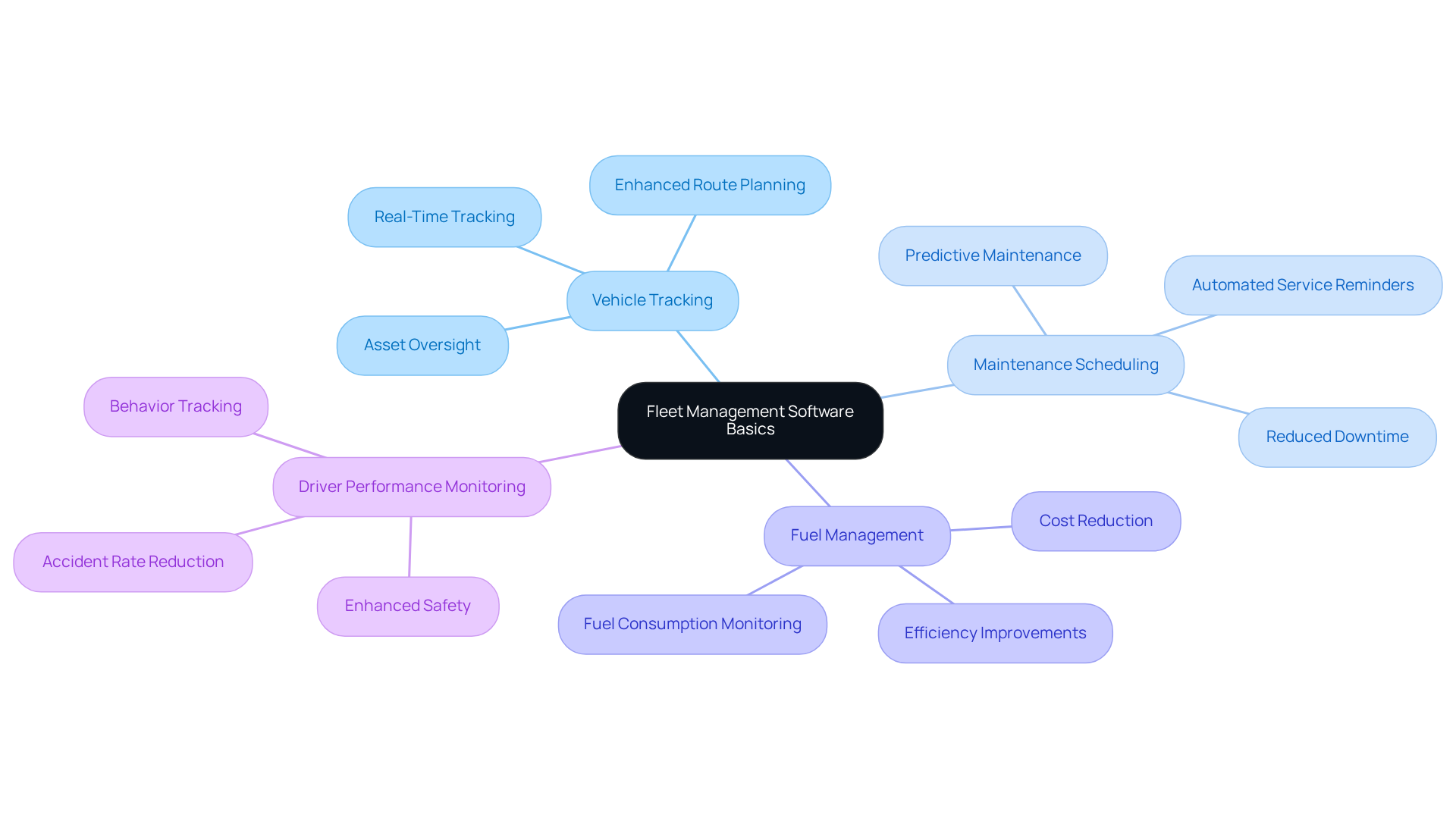
Effective management of automobile collections is increasingly challenging without the right digital tools. Car fleet management software serves as an essential digital solution for companies aiming to efficiently oversee their fleets. These applications encompass a variety of functionalities, including vehicle tracking, maintenance scheduling, fuel management, and driver performance monitoring. Real-time data and analytics enable fleet managers to enhance route optimization, reduce operational costs, and increase productivity. Understanding these core functionalities is crucial for selecting car fleet management software that effectively meets your logistics needs and addresses specific challenges.
Key Benefits of Fleet Management Software
- Improved Efficiency: Automates routine tasks, enabling fleet managers to concentrate on strategic decision-making.
- Cost Reduction: Car fleet management software facilitates monitoring of fuel consumption and maintenance expenses, resulting in substantial savings. Fuel usually represents 30-40% of operating expenses, making its oversight essential.
- Enhanced Safety: The car fleet management software offers tools for monitoring driver behavior, ensuring compliance with safety regulations and reducing accident rates by 25-40% through improved practices.
- Real-Time Tracking: The car fleet management software features GPS tracking capabilities that enhance route planning and asset oversight, leading to better delivery performance and customer satisfaction.
The vehicle oversight application market is projected to surpass $30 billion by 2026, growing at a CAGR of 16.9% until 2035, highlighting the importance of understanding these elements for effective decision-making. Neglecting to leverage advanced vehicle oversight applications could hinder your fleet's potential for growth and efficiency.
Identify Your Logistics Needs and Challenges
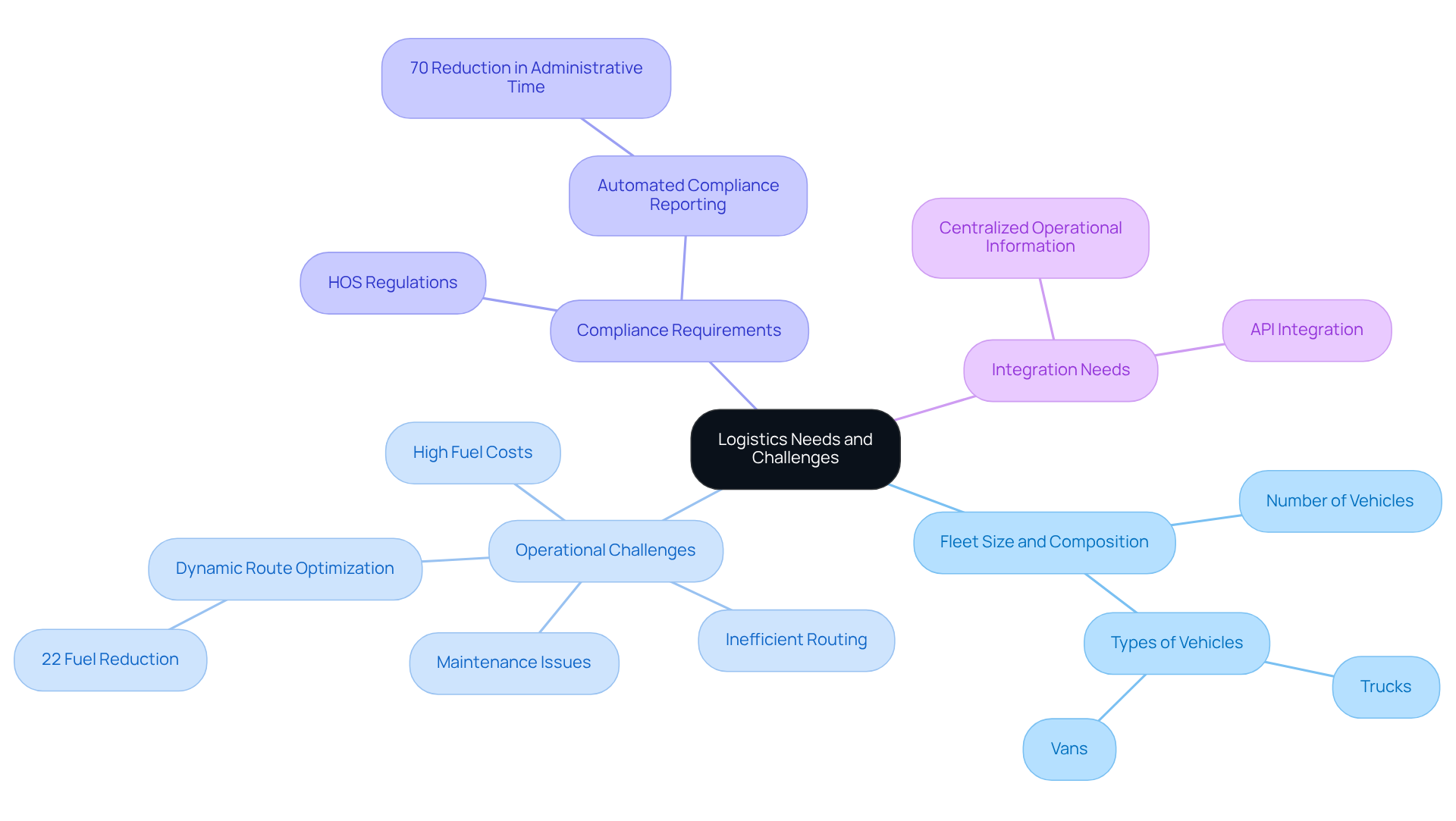
Before selecting transportation management tools, it is critical to assess your logistics needs and the challenges you face. Start by evaluating the following key considerations:
- Fleet Size and Composition: Determine the number of vehicles and their types (e.g., trucks, vans). This will affect the system's scalability and features, ensuring it can accommodate your specific fleet dynamics.
- Operational Challenges: These challenges can lead to increased operational costs and inefficiencies. Identify specific pain points such as high fuel costs, inefficient routing, and maintenance issues. For example, dynamic route optimization can result in a 22% decrease in fuel consumption, emphasizing the significance of tackling these challenges. Meight's platform streamlines this process by analyzing your workflows and identifying gaps, helping you choose a solution that directly addresses these challenges.
- Compliance Requirements: Consider any regulatory requirements your fleet must adhere to, such as driver hours of service (HOS) regulations. With tightening regulations, automated compliance reporting can reduce administrative time spent on documentation by 70%, making it a vital feature to ensure compliance and operational efficiency. Meight's comprehensive implementation process includes validating workflows to meet acceptance criteria and regulatory requirements, providing peace of mind.
- Integration Needs: Assess how the software will integrate with existing systems, such as accounting or inventory management tools. API-integrated systems can centralize operational information, reducing duplicated tasks and enhancing decision-making speed. Meight ensures a seamless transition by securely importing your vehicles, drivers, and orders, maintaining data consistency and compliance.
By clearly defining your logistics needs and challenges, you can ensure that the solution you select will effectively address your operational requirements and enhance overall efficiency. In 2026, making informed decisions will be essential for maintaining a competitive edge in a rapidly evolving landscape.
Evaluate Essential Features for Your Software
Selecting the right car fleet management software requires a careful evaluation of essential features that align with your operational needs. Here are some key functionalities to consider:
Must-Have Features
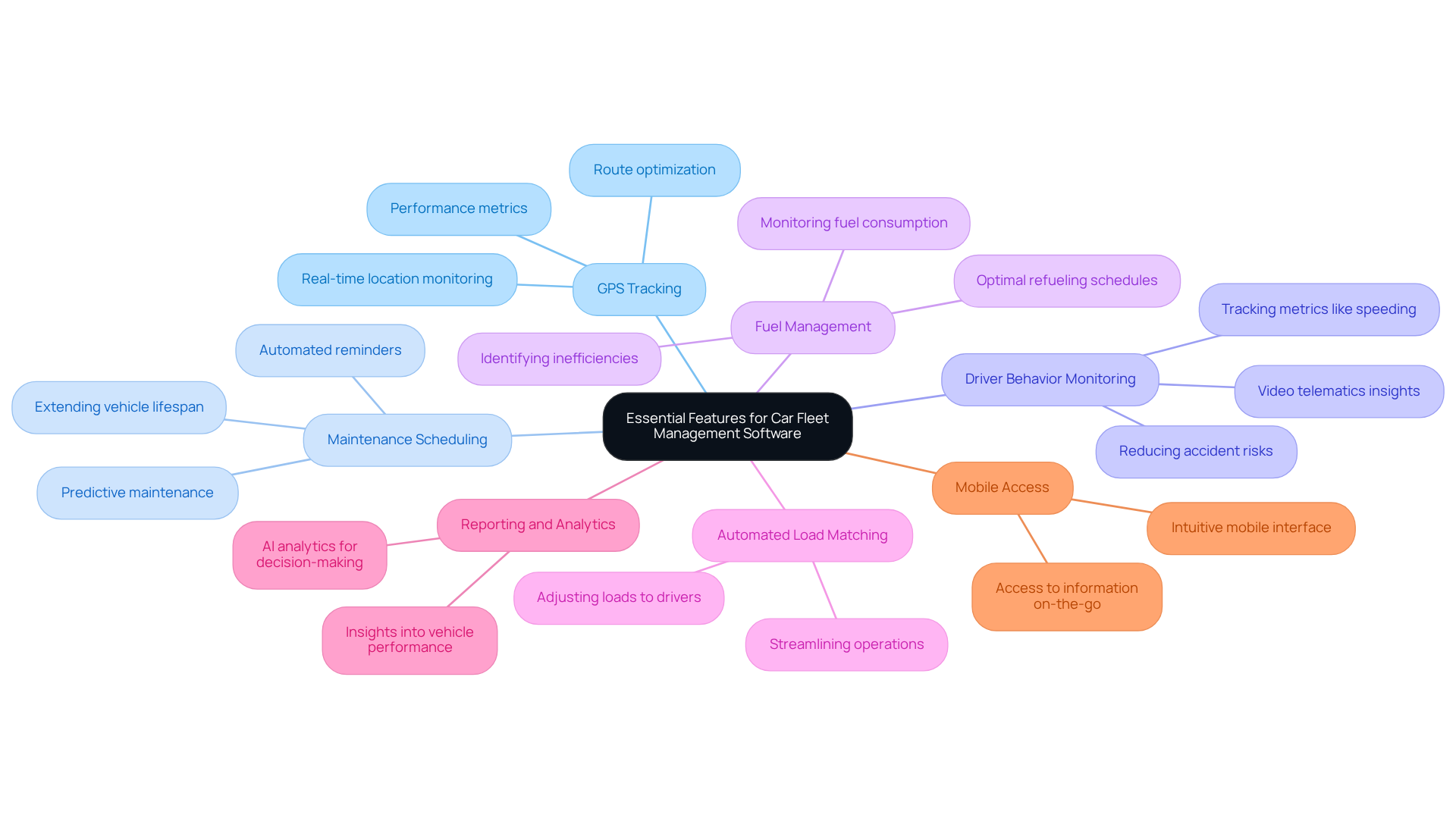
- GPS Tracking: This feature allows real-time location monitoring of vehicles, significantly enhancing route optimization and asset oversight. By 2026, advanced GPS technology will further improve tracking capabilities and deliver precise performance metrics.
- Maintenance Scheduling: Automating maintenance reminders and schedules is crucial for reducing downtime and extending vehicle lifespan. Systems with predictive maintenance capabilities can analyze real-time data to anticipate mechanical issues, preventing costly repairs and ensuring optimal vehicle performance.
- Driver Behavior Monitoring: Tracking metrics such as speeding and harsh braking promotes safer driving practices. Video telematics incorporated into vehicle oversight systems can offer insights into driver behavior, assisting in reducing accident risks and decreasing insurance costs. Meight's platform analyzes driving patterns to identify errors, helping drivers enhance their behavior, which can lower stress and fuel costs.
- Fuel Management: Monitoring fuel consumption and identifying inefficiencies is essential for cost reduction. Advanced systems are projected to integrate fuel analytics that will recommend optimal refueling schedules, further enhancing operational efficiency.
- Automated Load Matching: Meight's innovative freight coordination platform automatically adjusts upcoming loads to available drivers and trucks, streamlining operations and enhancing efficiency.
- Reporting and Analytics: Offering insights into vehicle performance enables data-driven decision-making. By 2026, vehicle oversight software is anticipated to utilize AI analytics to convert large data sets into actionable insights, enhancing overall operations. With Meight, you gain a comprehensive real-time perspective of each operation from a single dashboard, facilitating better oversight.
- Mobile Access: Ensuring that vehicle managers and drivers can access critical information on-the-go enhances communication and responsiveness. Today, an intuitive mobile interface is becoming a standard expectation for vehicle oversight solutions. The GoMeight application provides automated load dispatching and navigation, enhancing truck operations.
Focusing on these essential features will help you choose car fleet management software that not only meets your current needs but also supports future growth and efficiency in your logistics operations.
Ensure Seamless Integration with Existing Systems
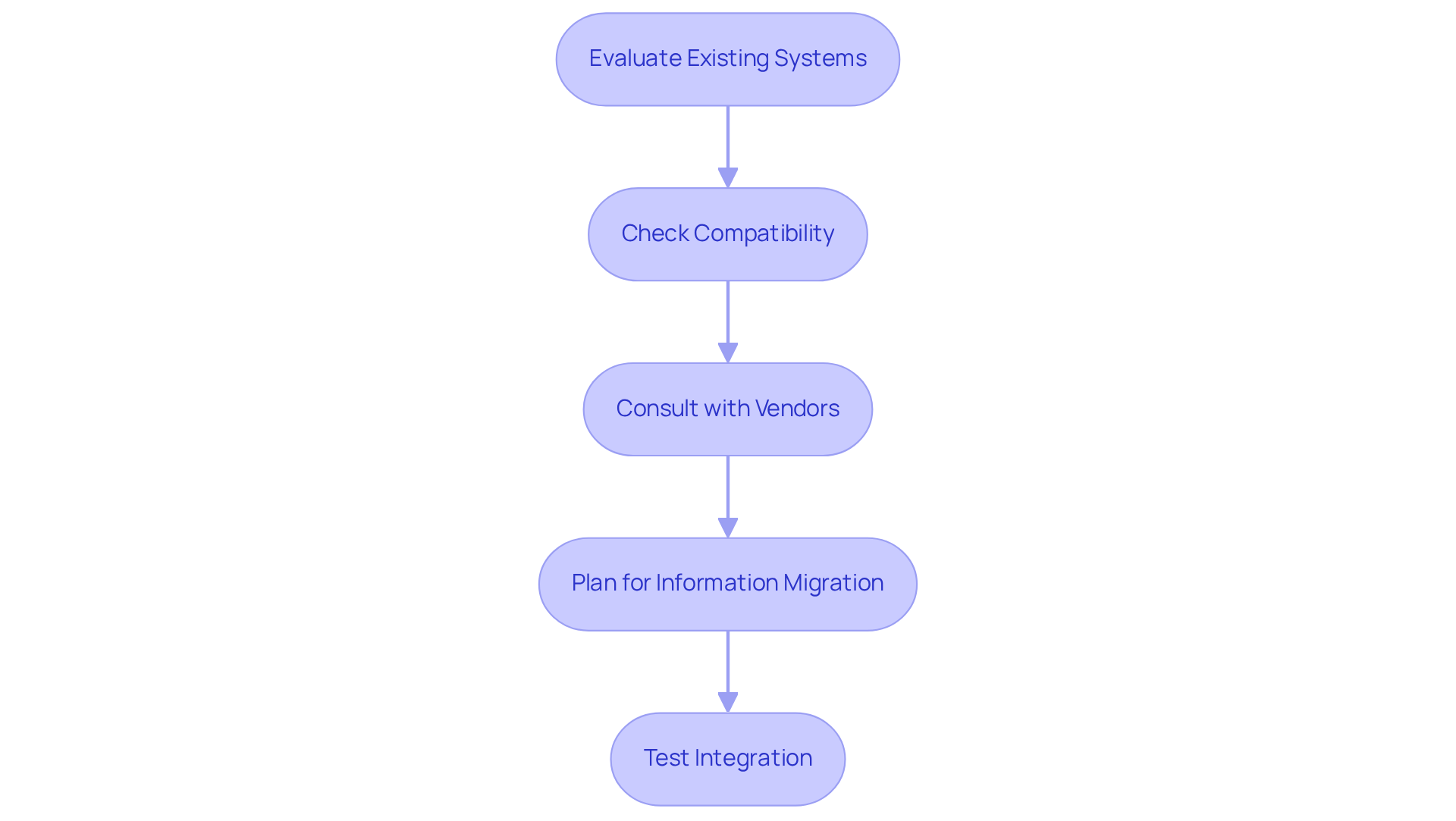
The successful implementation of a vehicle oversight application hinges on its ability to integrate seamlessly with existing systems. Here are steps to ensure compatibility:
- Evaluate Existing Systems: Determine the applications and tools presently utilized, such as accounting applications, inventory tracking systems, or telematics solutions. Understanding your existing ecosystem is crucial for effective integration.
- Check Compatibility: Verify that the fleet management application can integrate with these systems. Look for APIs or built-in integration features that facilitate smooth information exchange.
- Consult with Vendors: Engage with software vendors to discuss integration capabilities and any potential challenges. Matt Reinhart emphasizes that proper implementation can reduce costly mistakes and increase profits. Their insights can help you navigate compatibility issues and optimize the integration process.
- Plan for Information Migration: Develop a strategy for transferring existing information into the new system, ensuring integrity and continuity. This step is essential; without it, fragmented information may hinder decision-making and operational efficiency.
- Test Integration: Before complete implementation, conduct tests to ensure that all systems communicate effectively and that information flows seamlessly. This proactive strategy helps avoid costly mistakes and boosts overall performance.
Focusing on integration enhances operational efficiency and reduces disruptions during the transition to new software. For example, considerable cost reductions can be attained by enhancing maintenance schedules and lowering fuel usage through analysis from all integrated systems. Furthermore, case studies have demonstrated that companies utilizing integrated systems achieve enhanced data precision and operational transparency, making this a vital emphasis for management success. Ultimately, effective integration is not just a technical requirement; it is a strategic imperative that drives operational excellence.
Test Software Options with Demos and Trials
To ensure the best fit for your fleet management needs, a thorough evaluation of potential software solutions is critical. Here’s how to effectively evaluate your choices:
Testing Process
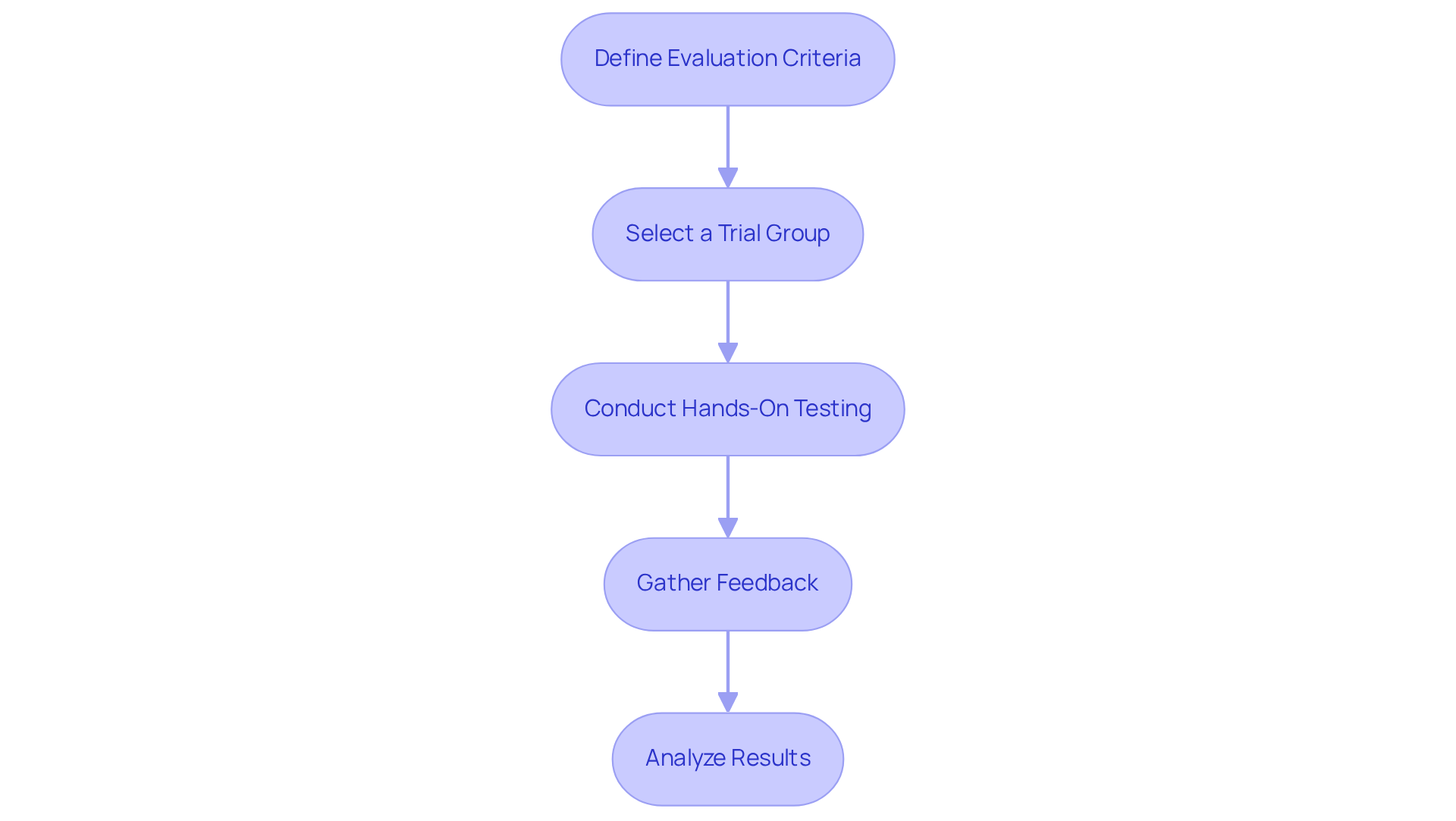
- Define Evaluation Criteria: Establish specific aspects to assess during the trial, such as user interface, feature functionality, and integration capabilities. This clarity will guide your evaluation.
- Select a Trial Group: Involve a diverse group of users, including fleet managers and drivers, to gather varied feedback on the application. Engaging different perspectives ensures comprehensive insights.
- Conduct Hands-On Testing: Actively engage with the application to explore its features, usability, and performance in real-world scenarios. This practical experience is crucial for understanding how the program fits into daily operations.
- Gather Feedback: Collect input from all trial participants to understand their experiences and any challenges faced. This feedback is essential for identifying strengths and weaknesses in the program.
- Analyze Results: Review the feedback and determine which application best meets your operational needs and user preferences. A systematic analysis will help you make an informed decision.
However, many organizations struggle with the overwhelming number of options available, making the evaluation process daunting. Comprehensively evaluating alternatives can significantly enhance your confidence in selecting a solution that aligns with your vehicle oversight goals. Meight's GoMeight App, for instance, is designed to empower mid-sized enterprises with unlimited drivers and seamless integration, all while operating in a highly-secured cloud environment. This is underscored by the fact that 54% of organizations have reported improved customer service as a result of effective vehicle monitoring, emphasizing the significance of selecting the appropriate program. Furthermore, 80% of leaders concur that a single, comprehensive solution would streamline operations oversight in vehicle coordination, highlighting the importance of all-encompassing solutions. Moreover, 24/7 assistance from suppliers is essential for handling vehicle control systems efficiently, guaranteeing that you can resolve any problems quickly. Following these steps will help you select fleet management software that not only optimizes operations but also supports sustainability objectives.
Conclusion
Selecting the appropriate car fleet management software is crucial for optimizing operational efficiency and achieving significant cost reductions. By understanding essential features, assessing logistics needs, and ensuring seamless integration, organizations can choose a solution that meets current demands and supports future growth. The appropriate software enhances safety, enables real-time tracking, and supports data-driven decision-making, resulting in a more productive fleet.
This article highlighted the importance of evaluating software options through demos and trials. It also emphasized identifying essential features like GPS tracking and maintenance scheduling while addressing integration challenges. Each step in the selection process is vital for ensuring that the chosen software aligns with specific operational requirements and enhances overall fleet performance. The focus on testing and gathering feedback from diverse users further underscores the need for a comprehensive evaluation to make informed decisions.
In the fast-changing logistics landscape, selecting the right fleet management software is essential for maintaining competitiveness. Organizations are encouraged to take proactive steps in assessing their needs, exploring available options, and leveraging technology to overcome common challenges. By doing so, they can unlock the full potential of their fleet operations, ensuring efficiency and compliance while gaining a competitive edge in the market. By prioritizing a thorough evaluation process, organizations can ensure their fleet management strategy not only meets current demands but also positions them for future success.
Frequently Asked Questions
What is fleet management software?
Fleet management software is a digital solution that helps companies efficiently oversee their automobile collections. It includes functionalities such as vehicle tracking, maintenance scheduling, fuel management, and driver performance monitoring.
What are the key benefits of using fleet management software?
The key benefits include improved efficiency through automation of routine tasks, cost reduction by monitoring fuel consumption and maintenance expenses, enhanced safety by monitoring driver behavior, and real-time tracking for better route planning and asset oversight.
How does fleet management software improve operational efficiency?
It automates routine tasks, allowing fleet managers to focus on strategic decision-making, which leads to enhanced productivity and reduced operational costs.
What impact does fleet management software have on safety?
It provides tools for monitoring driver behavior, ensuring compliance with safety regulations, and can reduce accident rates by 25-40% through improved practices.
Why is real-time tracking important in fleet management?
Real-time tracking enhances route planning and asset oversight, leading to better delivery performance and increased customer satisfaction.
What should companies consider when selecting fleet management software?
Companies should assess their fleet size and composition, operational challenges, compliance requirements, and integration needs with existing systems.
How can operational challenges affect fleet management?
Operational challenges, such as high fuel costs and inefficient routing, can lead to increased costs and inefficiencies. Addressing these challenges is crucial for optimizing fleet performance.
What role does compliance play in fleet management?
Compliance with regulatory requirements, such as driver hours of service regulations, is essential. Automated compliance reporting can significantly reduce administrative time spent on documentation.
How does integration with existing systems benefit fleet management?
Integration with existing systems, such as accounting or inventory management tools, centralizes operational information, reduces duplicated tasks, and enhances decision-making speed.
What is the projected market growth for vehicle oversight applications?
The vehicle oversight application market is projected to surpass $30 billion by 2026, growing at a CAGR of 16.9% until 2035.

Subscribe to our newsletter
No spam! Promise!
Related posts

Discover the Best Dispatch Software for Road Freight Operations

5 Best Practices for E2E Supply Chain Management Success
Maximize Efficiency with Dispatch Software for Transport Companies