Introduction
The logistics landscape in Europe faces significant challenges as companies strive for efficiency and responsiveness. Dispatch software has emerged as a game-changing solution for transport companies, offering tools that streamline operations, enhance communication, and optimize resource allocation. However, as the demand for faster and more reliable deliveries grows, this raises the question: how can these digital platforms effectively transform logistics operations to meet customer expectations?
Define Dispatch Software and Its Role in Transport Operations
In an era where customer expectations are rapidly evolving, dispatch software for European transport companies has emerged as a crucial tool for enhancing logistics efficiency. These digital solutions improve the allocation of drivers to delivery tasks, simplify route planning, and enhance supply chain management. This centralized platform enhances communication between dispatchers and drivers. It ensures timely and efficient deliveries.
For European transport firms, dispatch software for European transport companies is vital in maneuvering intricate supply chains, where real-time information and rapid decision-making are critical. By automating routine functions such as scheduling and tracking, logistics software reduces manual errors and significantly enhances operational efficiency.
Logistics companies are under increasing pressure to meet customer demands for faster deliveries. Current statistics indicate that 57% of logistics companies face these challenges, highlighting the necessity for automated solutions to meet these expectations. Interestingly, 64% of fleet managers who adopt scheduling programs see significant benefits, often recouping their investment within just a year.
Case studies show that efficient management applications can enhance route optimization, lower delivery expenses, and boost customer satisfaction, making them essential tools for contemporary transport operations. Additionally, Meight's platform incorporates intelligent driving style management, which learns from driving patterns to improve efficiency and reduce CO2 emissions.
The incorporation of delivery applications with other organizational systems simplifies operations and prevents data re-entry, further increasing their worth in supply chain management. As logistics firms adapt to these demands, the integration of dispatch software for European transport companies will be pivotal in shaping the future of supply chain management.

Explore the Importance of Dispatch Software for European Transport Companies
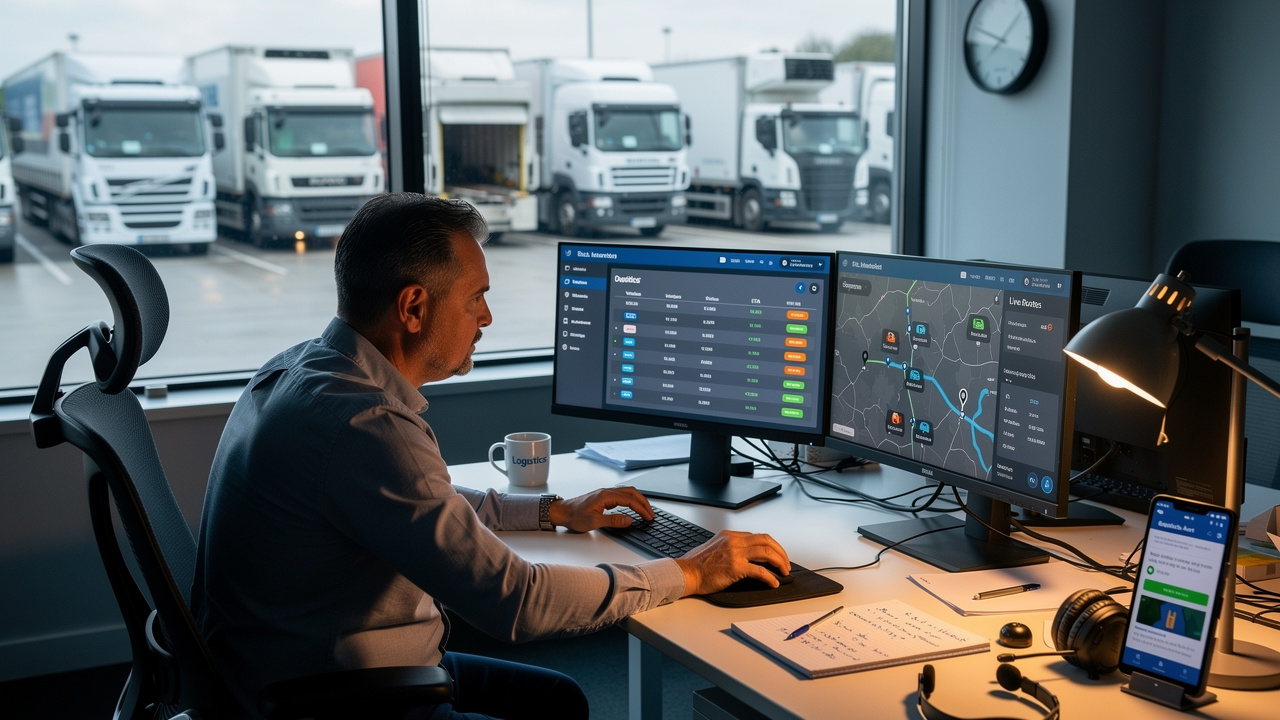
Transport firms in Europe face significant challenges due to rising operational costs and the demand for greater efficiency in logistics. As the industry grapples with these issues, dispatch software for European transport companies emerges as a crucial resource. They empower companies to optimize fleet operations by providing real-time visibility into vehicle locations, driver performance, and delivery statuses. This transparency allows for improved resource allocation and quick responses to challenges like traffic disruptions or last-minute delivery changes.
Strict European regulations on driver hours and environmental standards make dispatch software for European transport companies essential for ensuring compliance and enhancing productivity. For instance, these tools effectively manage EU driving hours, helping companies adhere to Regulation (EC) 561/2006, which limits daily driving to 9 hours, extendable to 10 hours twice a week. This compliance not only mitigates the risk of penalties but also streamlines audits during roadside checks.
The implementation of delivery applications directly enhances customer satisfaction. By ensuring timely and accurate deliveries, companies can meet and exceed customer expectations, fostering loyalty and repeat business. Case studies show that transport providers utilizing dispatch software for European transport companies have significantly decreased operational inefficiencies, resulting in improved service quality and quicker delivery times. In a competitive market with nearly 11,000 road haulage firms in Europe, effectively applying routing tools can set companies apart as preferred transport partners.

Identify Key Features of Effective Dispatch Software
Transport firms face numerous challenges that require the use of dispatch software for European transport companies to enhance operational effectiveness. Efficient management tools are characterized by several essential attributes that greatly improve their functionality and usability for transport firms. These include:
- Real-Time Tracking: This feature enables dispatchers to monitor the precise location of vehicles and drivers. It facilitates timely decision-making and necessary route adjustments. Real-time visibility is essential for optimizing logistics activities. Delays in logistics can lead to significant operational challenges and customer dissatisfaction.
- Automated Scheduling: By automating the scheduling process, dispatch software minimizes manual errors and optimizes resource allocation. This guarantees that the appropriate driver is designated for the correct job at the right moment. Such precision is crucial for enhancing efficiency and lowering expenses.
- Route Optimization: Advanced algorithms suggest the most efficient routes by analyzing traffic patterns and delivery needs. This capability decreases fuel usage. It also improves delivery times, addressing the rising costs associated with inefficient routing.
- Communication Tools: Integrated messaging systems facilitate seamless communication between dispatchers and drivers. This allows for quick updates and instructions. Effective communication is essential for maintaining workflow and addressing any issues that may arise during transport.
- Reporting and Analytics: Comprehensive reporting tools offer insights into performance, assisting companies in identifying areas for enhancement. By utilizing data-informed choices, transport providers can improve their service standards and efficiency in operations.
- Compliance Management: Features that assist in tracking driver hours and vehicle maintenance ensure adherence to regulatory requirements, which is particularly important in the European context. Compliance management helps mitigate risks related to regulatory violations and enhances overall organizational resilience.
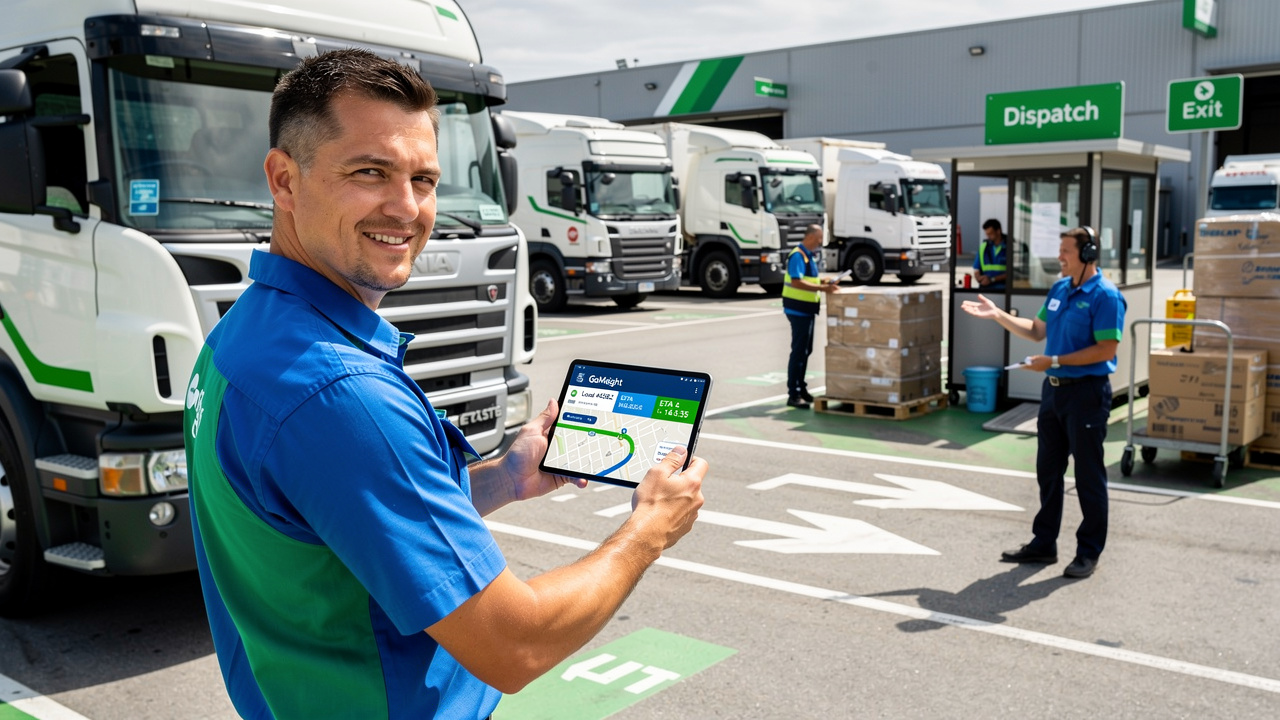
Together, these characteristics enhance the operational effectiveness of transport firms, making dispatch software for European transport companies a vital investment in today’s supply chain environment. As a result, organizations can achieve higher efficiency and customer satisfaction. Additionally, the GoMeight app engages drivers by rewarding them for completing tasks, fostering a more motivated workforce. Ultimately, the integration of these tools can redefine operational standards and elevate customer experiences in the transport sector.

Trace the Evolution of Dispatch Software in Logistics
The logistics industry has undergone a remarkable transformation driven by technological advancements and evolving operational demands. Initially, delivery operations relied on manual processes, with coordinators managing shipments through paper logs and phone calls. However, as technology evolved, fundamental digital solutions emerged, automating these processes and enhancing efficiency and precision.
The introduction of GPS technology marked a pivotal moment for logistics applications, improving visibility and allowing for real-time route adjustments based on current traffic conditions. This capability significantly enhanced operational responsiveness.
In recent years, the incorporation of artificial intelligence and machine learning has further transformed delivery systems. These technologies allow for predictive analytics and automated decision-making, enabling companies to anticipate challenges and optimize operations proactively. For instance, advanced delivery solutions now feature route optimization and compliance management, reflecting the increasing complexity of supply chain operations in Europe.
As the logistics sector evolves, dispatch software for European transport companies is expected to adapt further, integrating new technologies to address emerging challenges and enhance efficiency. This ongoing evolution underscores the importance of selecting the right software vendor, as effective deployments align closely with well-defined operational goals, ultimately leading to substantial cost savings and enhanced operational efficiency.

Conclusion
Dispatch software is essential for European transport companies, transforming logistics operations and boosting efficiency. By automating key processes such as scheduling, tracking, and route optimization, these digital solutions enable firms to meet the growing market demands while ensuring compliance with stringent regulations. Integrating dispatch software streamlines operations and improves communication between dispatchers and drivers, ultimately enhancing customer satisfaction.
Throughout this article, we have highlighted the critical role of dispatch software in addressing the challenges faced by transport companies. Key features such as real-time tracking, automated scheduling, and compliance management are vital for optimizing fleet operations and reducing operational costs. Moreover, the evolution of dispatch software, from manual processes to advanced AI-driven solutions, emphasizes the necessity for transport firms to adapt and leverage technology to remain competitive in a rapidly changing landscape.
In a rapidly evolving logistics industry, adopting dispatch software is a strategic necessity for transport companies to succeed. By investing in effective dispatch solutions, organizations can enhance their operational efficiency, reduce costs, and ultimately deliver superior service to their customers. Transport companies that fail to adopt technology risk falling behind in a competitive landscape.
Frequently Asked Questions
What is dispatch software and its role in transport operations?
Dispatch software is a digital solution that enhances logistics efficiency for transport companies by improving driver allocation, simplifying route planning, and enhancing supply chain management. It centralizes communication between dispatchers and drivers to ensure timely and efficient deliveries.
Why is dispatch software important for European transport companies?
Dispatch software is vital for European transport companies as it helps navigate complex supply chains, where real-time information and rapid decision-making are essential. It automates routine functions like scheduling and tracking, reducing manual errors and enhancing operational efficiency.
What challenges do logistics companies face that dispatch software can help address?
Logistics companies are under pressure to meet customer demands for faster deliveries, with 57% of them facing these challenges. Dispatch software provides automated solutions to help meet these expectations.
What benefits do fleet managers experience from using scheduling programs?
Fleet managers who adopt scheduling programs often see significant benefits, with many recouping their investment within just a year.
How can dispatch software improve route optimization and customer satisfaction?
Efficient management applications can enhance route optimization, lower delivery expenses, and boost customer satisfaction, making them essential tools for modern transport operations.
What additional features does Meight's platform offer?
Meight's platform includes intelligent driving style management, which learns from driving patterns to improve efficiency and reduce CO2 emissions.
How does integrating delivery applications with other organizational systems benefit logistics firms?
Integrating delivery applications with other systems simplifies operations and prevents data re-entry, further increasing their value in supply chain management.