Introduction
Transport companies face mounting pressure to enhance operational efficiency amid rising customer expectations in the logistics industry. As transport companies increasingly adopt dispatch software, they are able to automate key processes such as scheduling and route planning. This technology also improves communication between dispatchers and drivers, which can significantly boost efficiency and customer satisfaction. However, without strategic implementation of dispatch software, companies may find themselves unable to meet the demands of a competitive market.
Define Dispatch Software and Its Role in Transport Companies
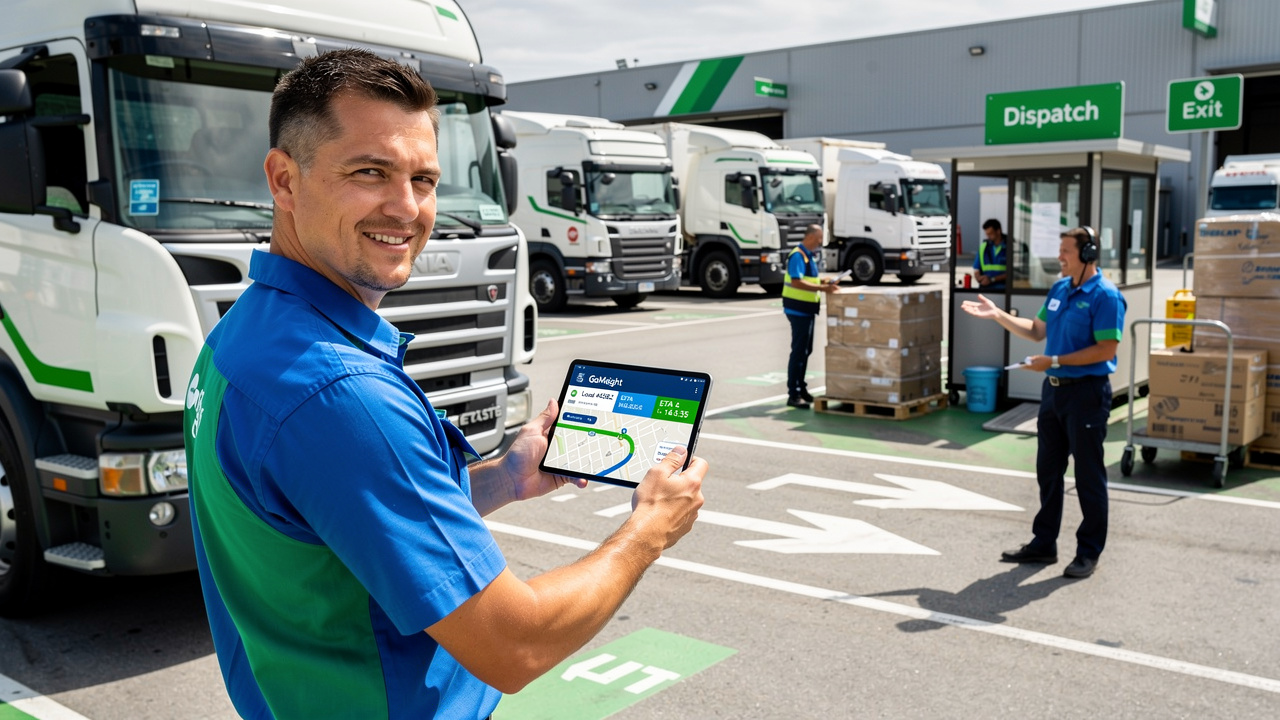
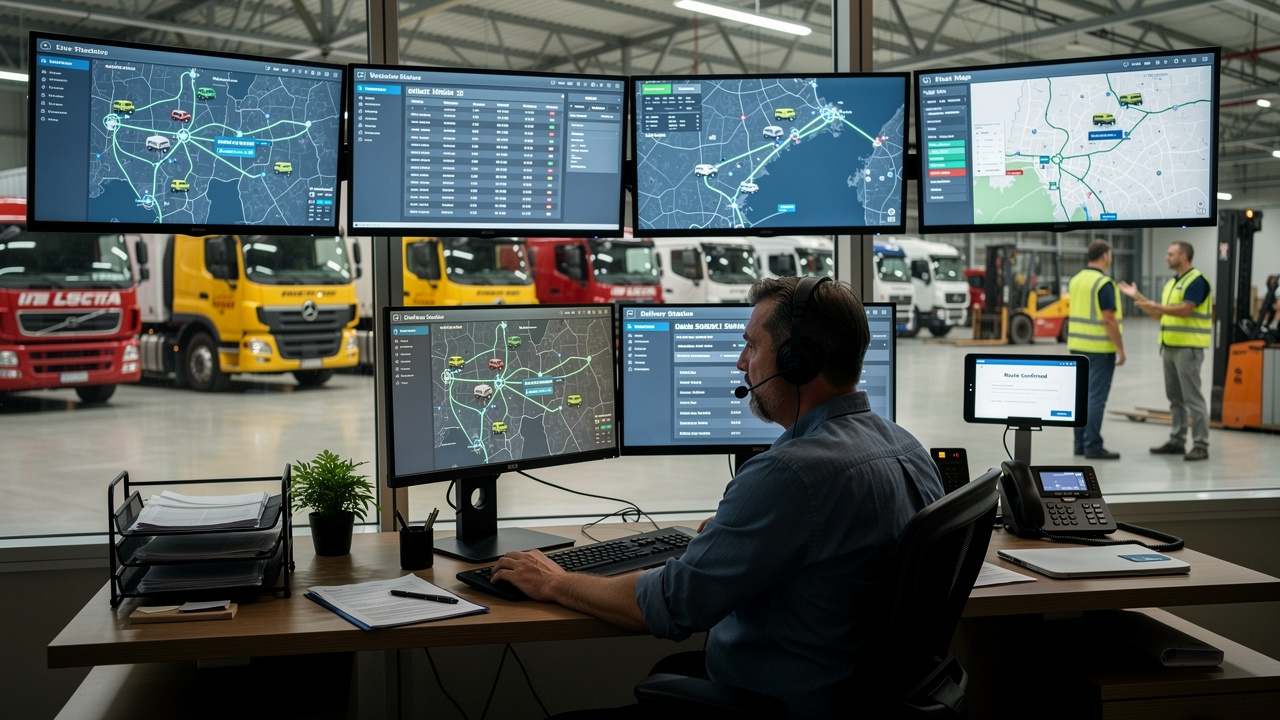
Dispatch software for transport companies are essential tools that streamline logistics operations by automating key processes. This platform serves as dispatch software for transport companies, enabling dispatchers to coordinate goods movement effectively and enhancing communication between drivers and dispatchers. By automating routine tasks like scheduling and route planning, dispatch software for transport companies reduces manual errors and speeds up response times, which is critical for ensuring timely shipments.
Companies leveraging dispatch software for transport companies experience a remarkable 30% increase in timely deliveries and a reduction in average delivery times from 15-20 minutes to merely 3-5 minutes. Moreover, the capabilities of dispatch software for transport companies result in enhanced customer satisfaction and greater profitability, as firms can handle 50-100 loads at once compared to just 15-20 with manual methods.
Meight's innovative platform not only transforms road freight management with automated scheduling, truck-specific navigation, and driver engagement but also plays a crucial role in managing CO2 emissions, contributing to sustainable optimization. Recent advancements in delivery systems, including real-time tracking and integrated communication tools, have made dispatch software for transport companies essential in addressing challenges such as driver shortages and increasing operational expenses in contemporary supply chain management.
As the transportation sector continues to develop, the use of dispatch software for transport companies is anticipated to increase, with the market expected to reach around $4.74 billion by 2029, fueled by the need for operational efficiency and quicker shipments. The growing reliance on dispatch software for transport companies signals a pivotal shift in the logistics landscape, driven by the demand for efficiency and sustainability.

Trace the Evolution of Dispatch Software in Logistics
The logistics industry has undergone a profound transformation, evolving from manual tracking systems to sophisticated technological solutions. The development of delivery management tools in logistics began with manual systems reliant on paper for tracking shipments and organizing routes. As technology advanced, the introduction of computer-aided coordination (CAD) systems marked a significant turning point, automating many of these processes and enhancing operational efficiency. The emergence of the internet and mobile technology further transformed communication systems, enabling real-time tracking and smooth interaction between drivers and coordinators.
Today, advanced distribution solutions leverage artificial intelligence and machine learning to enhance routing efficiency, predict arrival times accurately, and facilitate informed decision-making. This evolution underscores the industry's transition towards data-driven operations, allowing transport companies to significantly improve efficiency and reduce costs with dispatch software for transport companies.
For example, companies employing routing applications report a 30% rise in transport efficiency and a 25% reduction in fuel expenses, showcasing the concrete advantages of these innovations. Furthermore, companies that have adopted real-time tracking capabilities have experienced a 33% improvement in on-time deliveries, positively impacting customer satisfaction and brand loyalty.
Through Meight's Carefree program, these innovations facilitate seamless integration and operational efficiency, ensuring drivers receive essential support. As the logistics sector continues to evolve, the integration of dispatch software for transport companies will be crucial for businesses aiming to thrive in a competitive landscape.

Identify Key Features of Dispatch Software for Transport Efficiency
To enhance transport efficiency, dispatch software for transport companies must include key features that address operational challenges. Key features of dispatch software for transport companies include:
Real-time tracking enables dispatchers to monitor vehicle locations and status, allowing for quick route adjustments. This capability enhances operational visibility and enables timely decision-making, crucial for service quality. Automated scheduling significantly reduces the time spent on manual planning, streamlining operations and freeing up resources for more strategic tasks. Route optimization algorithms are essential in determining the most efficient paths for shipments, leading to a potential 15% reduction in fuel consumption and improved transit times. Furthermore, integrated communication tools facilitate seamless interaction between drivers and dispatchers, ensuring that any issues can be promptly addressed.
Together, these characteristics improve operational efficiency, reduce expenses, and boost customer satisfaction, making dispatch software for transport companies an essential resource for logistics applications. Case studies have demonstrated that companies utilizing these capabilities see a significant rise in punctual shipments and overall service quality, highlighting the necessity of embracing advanced distribution solutions in today's logistics environment. Embracing these advanced distribution solutions is not just beneficial; it is essential for staying competitive in the logistics sector.

Examine the Benefits of Dispatch Software for Transport Companies
The implementation of dispatch software for transport companies significantly enhances their operational efficiency. Primarily, it boosts productivity by automating routine tasks, allowing dispatchers to focus on strategic decision-making. This automation leads to a 30-40% reduction in shipping times, lowering fuel expenses and enhancing productivity. Furthermore, improved communication and coordination between drivers and dispatchers result in faster response times and fewer delays, which is crucial in today’s fast-paced logistics environment.
Optimized routing minimizes fuel consumption and vehicle wear, leading to an average cost reduction of 25-30% in the first year of implementation. Real-time tracking capabilities enhance operational control and improve customer satisfaction by providing accurate delivery estimates and proactive updates. Organizations adopting efficient dispatching tools can expect increased ROI, with many reporting a 42% reduction in back-office costs.
Case studies illustrate these benefits effectively. For instance, companies utilizing automated scheduling tools have seen a 28% reduction in parts inventory and a substantial decrease in missed appointments by nearly 50% due to automated customer notifications. Additionally, organizations leveraging data analytics have achieved higher profit margins and improved operational performance, with predictive analytics reducing equipment downtime by 38% and enhancing technician performance by 33% within just 90 days.
Ultimately, adopting dispatch software for transport companies is not just a choice; it is a strategic necessity for those aiming to thrive in a competitive landscape.

Conclusion
Dispatch software is essential for transport companies, automating key logistics processes to enhance operational efficiency. By streamlining communication and optimizing routing, this software improves efficiency while also boosting customer satisfaction and profitability. As the logistics landscape evolves, the integration of such technology becomes increasingly vital for companies aiming to maintain a competitive edge.
Throughout the article, key insights highlight the evolution of dispatch software from manual systems to advanced, data-driven solutions. The benefits of implementing this technology are clear:
- Increased productivity
- Reduced shipping times
- Substantial cost savings
Companies that adopt dispatch software can expect to see improvements in operational control, communication, and overall service quality, making it an indispensable asset in modern logistics.
These findings clearly indicate that adopting dispatch software is essential for transport companies to thrive in a rapidly changing environment. As the market for these solutions grows, organizations must prioritize adopting these technologies to improve operational efficiency and address today's logistics challenges.
Frequently Asked Questions
What is dispatch software for transport companies?
Dispatch software for transport companies is a tool that streamlines logistics operations by automating key processes, enabling dispatchers to coordinate the movement of goods effectively and enhancing communication between drivers and dispatchers.
How does dispatch software improve logistics operations?
It automates routine tasks like scheduling and route planning, which reduces manual errors and speeds up response times, ensuring timely shipments.
What are the benefits of using dispatch software for transport companies?
Companies using dispatch software experience a 30% increase in timely deliveries, a reduction in average delivery times from 15-20 minutes to 3-5 minutes, enhanced customer satisfaction, and greater profitability.
How many loads can companies handle with dispatch software compared to manual methods?
Firms can handle 50-100 loads at once with dispatch software, compared to just 15-20 loads with manual methods.
What additional features does Meight's dispatch software offer?
Meight's platform includes automated scheduling, truck-specific navigation, driver engagement, and tools for managing CO2 emissions, contributing to sustainable optimization.
What recent advancements have been made in dispatch software?
Recent advancements include real-time tracking and integrated communication tools, which help address challenges like driver shortages and increasing operational expenses.
What is the projected market growth for dispatch software in the transportation sector?
The market for dispatch software is expected to reach around $4.74 billion by 2029, driven by the need for operational efficiency and quicker shipments.
Why is the use of dispatch software becoming more important in the logistics landscape?
The growing reliance on dispatch software signals a shift towards efficiency and sustainability in the logistics sector, addressing contemporary challenges in supply chain management.