

4 Best Practices for Effective Distribution Routing Software Implementation

Introduction
In the logistics sector, the adoption of distribution routing software stands as a pivotal advancement, significantly improving operational efficiency. By emphasizing key functionalities such as real-time tracking and dynamic routing capabilities, organizations can optimize their processes and achieve cost reductions.
Nevertheless, the journey toward effective software deployment presents numerous challenges. How can logistics providers adeptly navigate these hurdles while fully leveraging the advantages of their new systems?
Identify Key Features of Distribution Routing Software
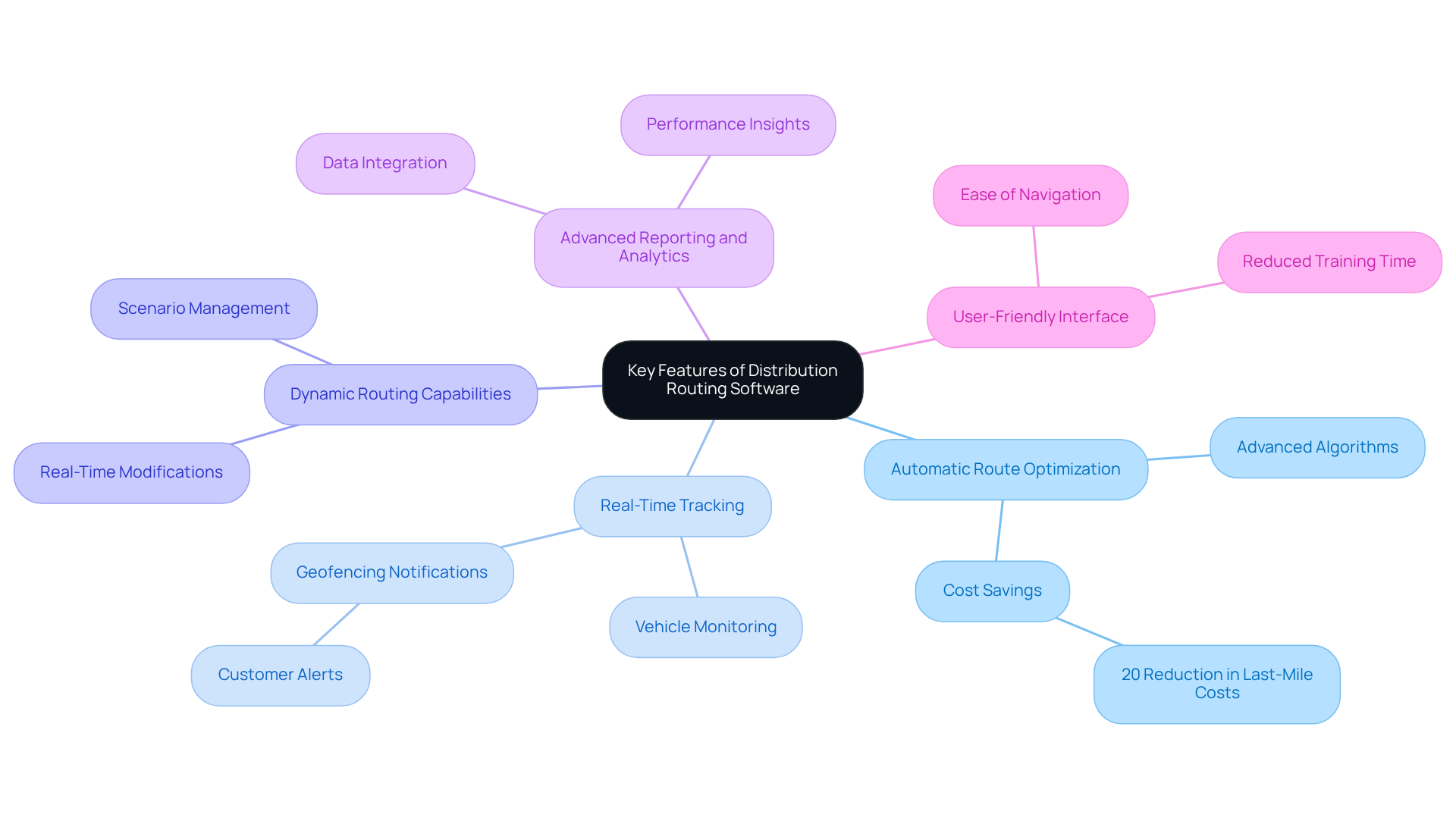
Choosing the right distribution routing software is crucial for improving operational efficiency. Consider the following key features:
- Automatic Route Optimization: This feature employs advanced algorithms to calculate the most efficient routes, taking into account factors such as traffic conditions, shipping windows, and vehicle capacities. Such capabilities can lead to significant cost savings; AI-powered systems have been shown to reduce last-mile transport expenses by as much as 20%.
- Real-Time Tracking: This functionality allows logistics managers to monitor vehicle positions and status updates in real-time, thereby improving communication with clients and enabling proactive problem-solving. Advanced geofencing systems can automatically notify customers when transport vehicles are in proximity, thereby enhancing service quality. Meight's cloud-based platform streamlines this real-time monitoring, ensuring effective load management within budget constraints.
- Dynamic Routing Capabilities: This feature permits real-time modifications to routes in response to unforeseen delays or schedule changes, ensuring timely arrivals. Distribution routing software can manage multiple scenarios simultaneously, allowing for rapid recalculations when disruptions occur, such as traffic closures or last-minute shipment requests. The innovative freight management platform supports these capabilities, facilitating optimal load matching and driver coordination.
- Advanced Reporting and Analytics: Comprehensive analytics deliver insights into route performance, fuel consumption, and delivery times, empowering managers to make informed, data-driven decisions. Analyzing historical data can uncover patterns that inform future operational strategies, thereby enhancing overall efficiency. Additionally, seamless data integration from online retail platforms into routing systems is crucial for operational enhancement, and this company excels in this area, enabling transport providers to effectively manage their budgets and operational schedules.
- User-Friendly Interface: An intuitive interface is critical for ensuring that all team members can navigate the software with ease. This reduces training time and increases adoption rates, facilitating smoother integration into existing workflows. Meight's platform is designed with this in mind, simplifying implementation and effective utilization for service providers.
By prioritizing these features, logistics providers can select software that not only addresses their current operational challenges but also supports future growth and scalability.
Integrate Routing Software with Existing Systems
To maximize the effectiveness of the distribution routing software, it is essential to integrate it with existing systems such as Customer Relationship Management (CRM), Enterprise Resource Planning (ERP), and warehouse management systems. The following key steps outline a successful integration process:
- Conduct a Systems Audit: Evaluate current systems to identify connection points and potential challenges. Understanding existing workflows will assist in customizing the integration process.
- Utilize APIs: Leverage Application Programming Interfaces (APIs) to facilitate data exchange between systems. This ensures a seamless flow of information, reducing manual data entry and errors. Meight provides a smooth API connection that can create new opportunities for transport providers, enhancing operational efficiency. Companies that effectively utilize APIs have documented significant operational efficiency gains, with 49% reporting improved processes post-integration. Additionally, a case study on orchestration as a structural solution for API connection revealed a 20% decrease in logistics expenses and $320 million in recorded transit savings, underscoring the tangible benefits of API usage.
- Engage Stakeholders Early: Involve key stakeholders from IT, operations, and management in the integration process to ensure that all perspectives are considered and that the integration meets organizational needs. Successful consolidations often correlate with strong leadership support, as observed in 77% of companies that recognized it as a critical success factor.
- Test Thoroughly: Before going live, conduct extensive testing to identify and resolve any issues. This step is crucial to ensure that the integrated systems function as intended without disrupting operations. Companies that prioritize thorough testing experience a 38% reduction in operational disruptions during go-live phases.
- Provide Ongoing Support: After integration, the company ensures comprehensive post-launch support, offering continuous assistance and personalized training to users to help them adapt to the new system and maximize its capabilities. Organizations that invest in user training see a 35% reduction in post-launch support tickets, thereby enhancing overall user satisfaction.
By following these steps and utilizing hassle-free implementation along with expert assistance, delivery providers can ensure that their distribution routing software enhances overall operational efficiency, ultimately leading to improved service delivery and customer satisfaction.

Provide Comprehensive Training and Support for Users
To ensure the successful implementation of distribution routing software, organizations must prioritize comprehensive training and support for every user. Effective strategies to achieve this include the following:
- Develop a Training Plan: Establish a structured training program that clearly outlines objectives, timelines, and methods tailored for different user groups, including dispatchers, drivers, and management.
- Utilize Multiple Training Formats: Incorporate diverse training methods such as hands-on workshops, online tutorials, and one-on-one coaching to cater to various learning styles and preferences.
- Involve Power Users: Identify and train power users who can act as champions within the organization. These individuals can provide ongoing support and assist their peers in navigating the software effectively.
- Provide Resources: Ensure users have access to user manuals, FAQs, and video tutorials for reference. This reinforces learning and offers support beyond the initial training sessions.
- Gather Feedback: After training sessions, actively solicit feedback from users to pinpoint areas for improvement. Continuous feedback is essential for refining training programs and addressing any ongoing challenges.
By prioritizing user training and support, service providers can enhance user confidence and maximize the potential of their distribution routing software, leading to improved operational efficiency and customer satisfaction.

Utilize Data Analytics for Informed Decision-Making
Data analytics is essential for optimizing distribution routing software and enhancing overall supply chain performance, especially when integrated with intelligent transport solutions. Here are effective ways to utilize data analytics:
- Collect Relevant Data: Gather data from diverse sources, including GPS tracking, customer feedback, and historical delivery performance. This data forms the foundation for analysis, aligning with the organization's mission to leverage data-driven solutions for sustainable logistics.
- Analyze Traffic Patterns: Employ analytics tools to evaluate traffic patterns and pinpoint peak congestion times. This information aids in route planning and helps prevent delays, showcasing how this technology can enhance efficiency.
- Monitor Key Performance Indicators (KPIs): Define KPIs such as on-time delivery rates, fuel consumption, and driver performance. Regularly assess these metrics to identify trends and opportunities for improvement, reflecting the company's commitment to optimizing logistics performance.
- Implement Predictive Analytics: Utilize predictive analytics to forecast demand and refine routes based on expected conditions. This proactive approach can significantly boost efficiency and customer satisfaction, embodying the future of intelligent transport that the company aspires to achieve.
- Make Data-Driven Decisions: Leverage insights from data analysis to guide strategic decisions, such as adjusting delivery schedules, optimizing fleet size, and enhancing customer service. By partnering with this company, transportation providers can harness these insights to craft their own success narratives in the industry.
By effectively employing data analytics, logistics providers can refine their decision-making processes, leading to enhanced operational efficiency and customer satisfaction, while contributing to Meight's transformative journey in the logistics sector.

Conclusion
Effectively implementing distribution routing software is crucial for logistics providers seeking to enhance operational efficiency and customer satisfaction. By prioritizing essential features, ensuring seamless integration with existing systems, providing comprehensive user training, and leveraging data analytics, organizations can significantly improve their delivery processes and decision-making capabilities.
Key arguments emphasize the necessity of features such as:
- automatic route optimization
- real-time tracking
- dynamic routing capabilities
Furthermore, integrating routing software with existing systems through APIs and conducting thorough training for users are vital for maximizing the software's potential. The application of data analytics empowers logistics providers to make informed decisions, optimizing performance and enhancing service delivery.
Ultimately, the successful implementation of distribution routing software transcends merely adopting new technology; it involves transforming operational workflows and fostering a culture of continuous improvement. By adhering to these best practices, logistics providers can position themselves for sustainable growth and success in an increasingly competitive landscape. Taking proactive steps today will lead to more efficient operations and higher customer satisfaction in the future.
Frequently Asked Questions
What is the importance of choosing the right distribution routing software?
Choosing the right distribution routing software is crucial for improving operational efficiency.
What is automatic route optimization in distribution routing software?
Automatic route optimization uses advanced algorithms to calculate the most efficient routes by considering factors like traffic conditions, shipping windows, and vehicle capacities, potentially reducing last-mile transport expenses by up to 20%.
How does real-time tracking benefit logistics managers?
Real-time tracking allows logistics managers to monitor vehicle positions and status updates, improving communication with clients and enabling proactive problem-solving. Advanced geofencing systems can also notify customers when vehicles are nearby, enhancing service quality.
What are dynamic routing capabilities in distribution routing software?
Dynamic routing capabilities allow for real-time modifications to routes in response to unforeseen delays or changes, ensuring timely arrivals. The software can manage multiple scenarios simultaneously, facilitating rapid recalculations for disruptions such as traffic closures or last-minute shipment requests.
What role does advanced reporting and analytics play in distribution routing software?
Advanced reporting and analytics provide insights into route performance, fuel consumption, and delivery times, enabling managers to make informed, data-driven decisions. Analyzing historical data helps uncover patterns that can inform future operational strategies.
Why is a user-friendly interface important in distribution routing software?
A user-friendly interface is essential for ensuring that all team members can navigate the software easily, which reduces training time and increases adoption rates, facilitating smoother integration into existing workflows.
How can logistics providers benefit from prioritizing the key features of distribution routing software?
By prioritizing key features like route optimization, real-time tracking, dynamic routing, advanced analytics, and a user-friendly interface, logistics providers can select software that addresses their current operational challenges and supports future growth and scalability.

Subscribe to our newsletter
No spam! Promise!
Related posts

Best Practices for Dispatch Software in Road Freight Operations

Master Truck Routing Online: Key Practices for Logistics Success
5 Best Practices for GPS Tracking Fleet Management Software