

Best Practices for Dispatch Software in Road Freight Operations

Introduction
In logistics, companies face increasing pressure to enhance efficiency while managing costs, particularly in road freight operations. The effective use of dispatch software is essential for achieving this efficiency. This technology streamlines the assignment of drivers, optimizes routes, and enhances communication and operational transparency. As companies strive to meet rising customer expectations, they often struggle to balance these demands with cost management. Selecting the right dispatch software that integrates seamlessly with existing systems is crucial. Failure to select appropriate dispatch software can lead to missed opportunities for enhancing service delivery and sustainability in the logistics sector.
Define Dispatch Software and Its Role in Road Freight Operations
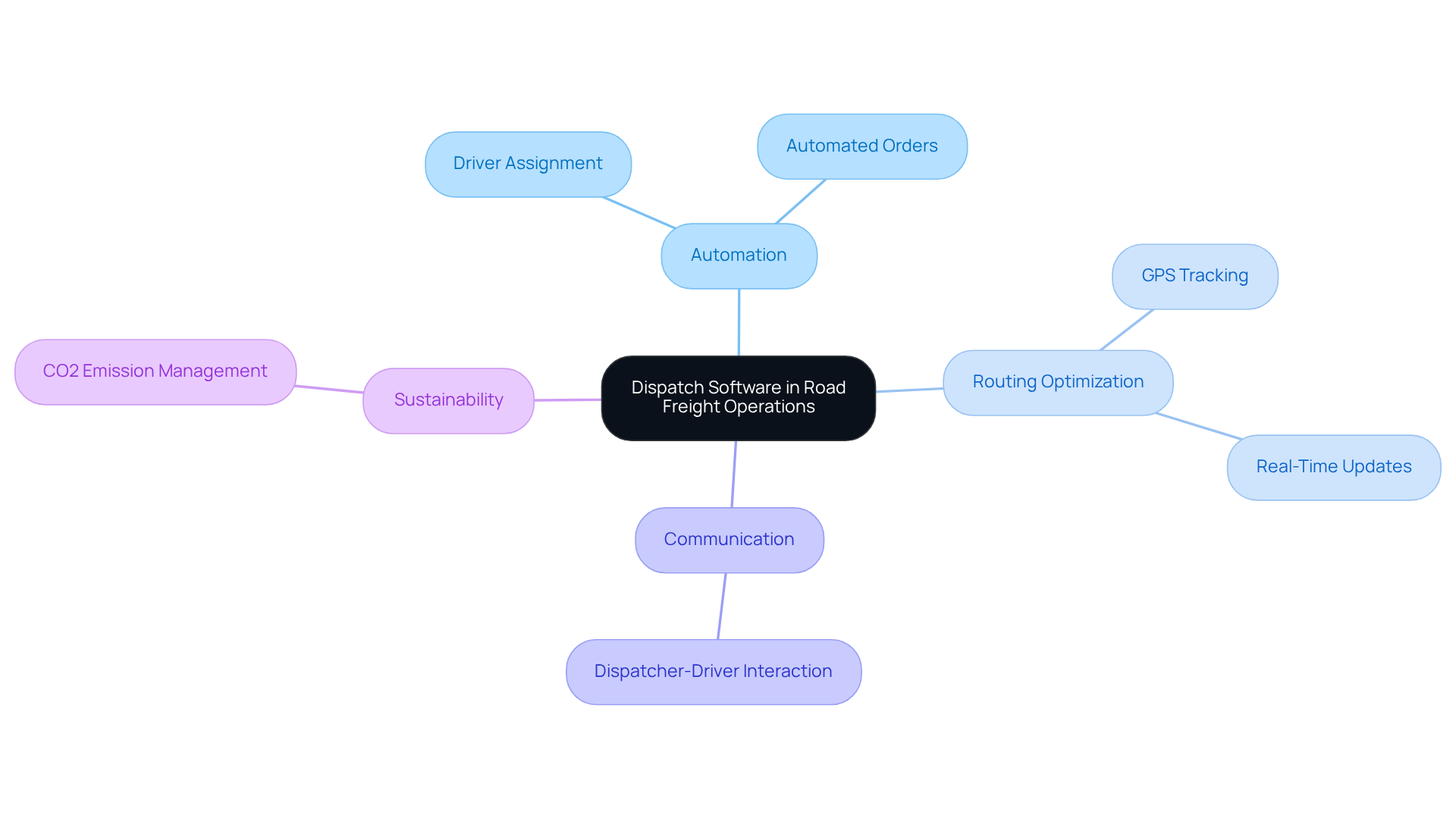
In the complex landscape of transportation operations, dispatch software for road freight operations emerges as an essential tool for enhancing efficiency and effectiveness. These applications use dispatch software for road freight operations to automate the assignment of drivers to delivery tasks, optimize routing, and improve communication between dispatchers and drivers. By integrating functionalities like GPS tracking, real-time updates, and automated scheduling, dispatch software for road freight operations significantly enhances operational efficiency in logistics.
For instance, dispatch software for road freight operations allows dispatchers to monitor vehicle locations, manage schedules, and respond swiftly to changes in delivery requirements, ultimately leading to reduced delays and improved customer satisfaction. Additionally, with Meight's innovative GoMeight app, the dispatch software for road freight operations enables automated orders to be dispatched to drivers, and upcoming loads are automatically matched to available drivers and trucks at any location.
This integration not only optimizes road freight logistics with dispatch software for road freight operations but also reinforces Meight's commitment to sustainability by managing 43.8 kton of CO2 emissions, revolutionizing the logistics landscape with optimized driver availability and automated routing. Ultimately, the integration of such technologies not only optimizes logistics but also contributes to a more sustainable future in transportation.
Identify Key Features of Effective Dispatch Software
In the competitive landscape of logistics, effective dispatch software is essential for optimizing road freight operations, incorporating several key features that enhance efficiency and customer satisfaction:
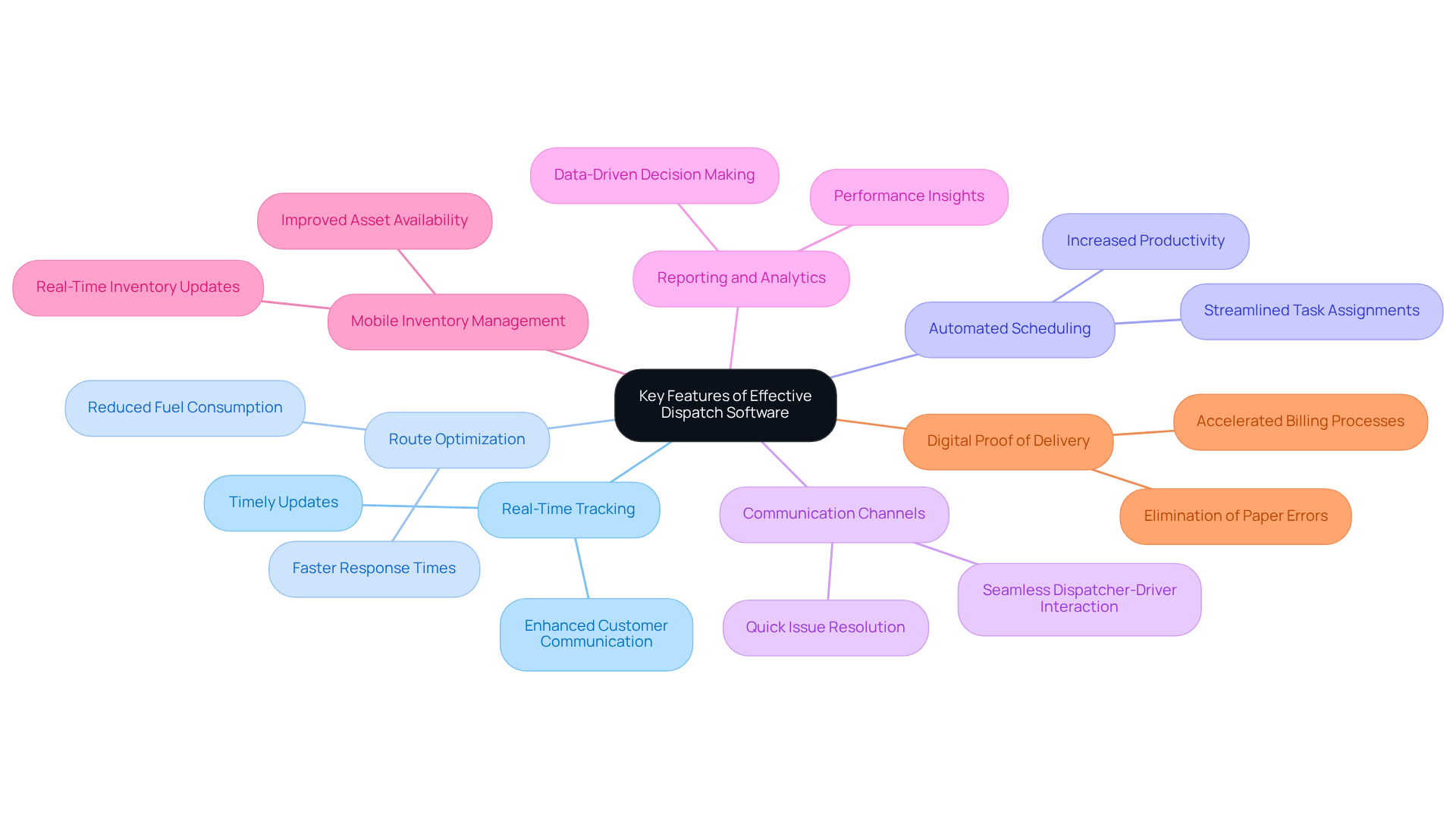
- Real-Time Tracking: Dispatchers can monitor vehicle locations and delivery progress from a single dashboard. This enables timely updates and adjustments. As customer expectations rise, the need for real-time updates becomes critical.
- Route Optimization: Utilizing advanced algorithms, this capability determines the most efficient routes, significantly reducing fuel consumption and travel time. Fleets utilizing smart routing platforms like Meight report up to 22% fewer empty miles and 31% quicker response times on urgent jobs. This shift not only reduces costs but also enhances service delivery, leading to higher customer satisfaction.
- Automated Scheduling: Meight's platform automatically matches upcoming loads with available drivers and trucks at any location, streamlining task assignments based on driver availability and workload. This enhances productivity and can save thousands of hours monthly for service providers, allowing them to focus on core operations.
- Effective dispatch software for road freight operations provides seamless communication channels between dispatchers and drivers, ensuring clarity and quick resolution of issues. Such integration plays a crucial role in keeping workflows smooth and ensuring drivers feel supported.
- Reporting and Analytics: Offering insights into performance metrics, this feature helps managers make data-driven decisions to enhance operations. By examining delivery times, routes, and driver performance, transportation firms can continuously enhance their processes.
- Mobile Inventory and Asset Management: Incorporating mobile inventory management into dispatching solutions improves overall efficiency by enabling real-time updates on inventory status and asset availability.
- Digital Proof of Delivery (POD): This feature captures essential delivery details, including e-signatures, timestamps, GPS coordinates, and delivery notes, eliminating paper log errors and speeding up billing processes.
Integrating these features not only simplifies delivery processes but also results in improved operational outcomes. Ultimately, the integration of these features positions companies to thrive in a demanding market, ensuring they meet and exceed customer expectations.
Ensure Seamless Integration with Existing IT Systems
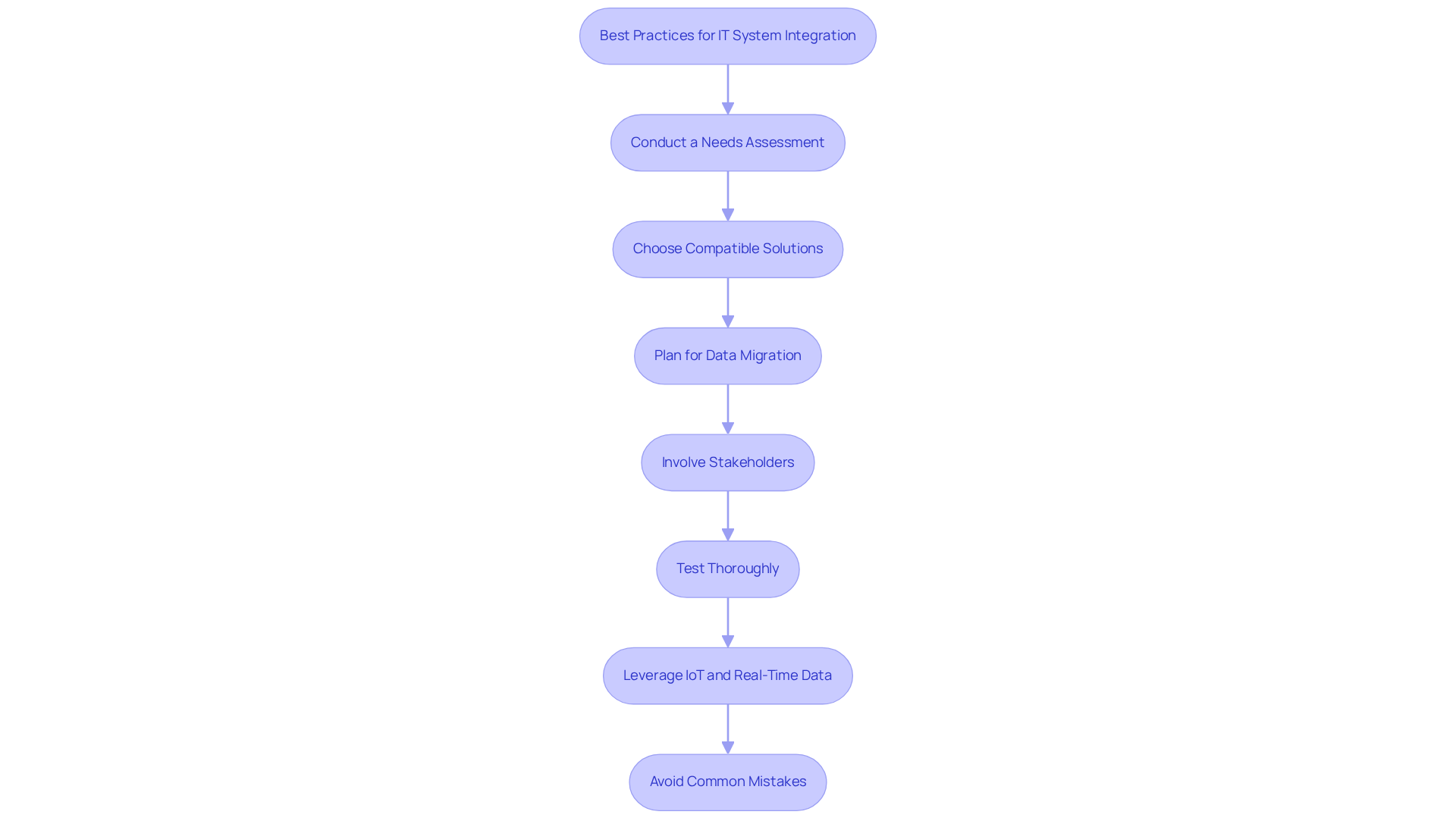
To enhance the efficiency of delivery applications, it is crucial to ensure seamless integration with existing IT systems such as ERP, TMS, and CRM platforms. Here are best practices for achieving this:
- Conduct a Needs Assessment: Identify specific functionalities required from the communication system and how they align with current systems. This step ensures that the selected solution meets functional needs effectively.
- Choose compatible solutions by selecting dispatch software for road freight operations that offers strong API functionalities for seamless integration with current tools, minimizing disruptions and enhancing continuity of operations.
- Plan for Data Migration: Create a thorough strategy for moving data from legacy systems to the new software, ensuring accuracy and completeness to prevent workflow disruptions.
- Involve Stakeholders: Engage key personnel from IT, operations, and management to ensure all perspectives are considered during the integration process. This collaboration fosters a sense of ownership and facilitates smoother transitions.
- Test Thoroughly: Conduct extensive testing, including secure testing protocols, before full deployment to identify and resolve any integration issues. This includes performance and load testing to ensure the system can manage workload effectively.
- Leverage IoT and Real-Time Data: Incorporate IoT devices and smart sensors to enhance logistics operations. These technologies offer real-time data monitoring, which can greatly enhance decision-making and efficiency in operations.
- Avoid Common Mistakes: Be aware of common pitfalls in dispatch integration, such as underestimating data volume and neglecting exception handling. Ignoring these pitfalls can lead to significant setbacks during implementation.
By following these practices, transportation firms can enhance operational efficiency while minimizing risks associated with system implementation. Meight provides straightforward implementation without hidden fees, guaranteeing ongoing maintenance, expert support, and seamless updates at no extra charge. Organizations that prioritize comprehensive training and stakeholder engagement often see significant returns on their technology investments, which in turn boosts overall logistics performance. As Mahdi Chini observes, "Successful integration of delivery combines various technologies and systems, each contributing to the overall solution." Ultimately, the right integration strategy can transform logistics operations, leading to sustainable growth and improved service delivery.
Develop a Structured Implementation Strategy for Dispatch Software
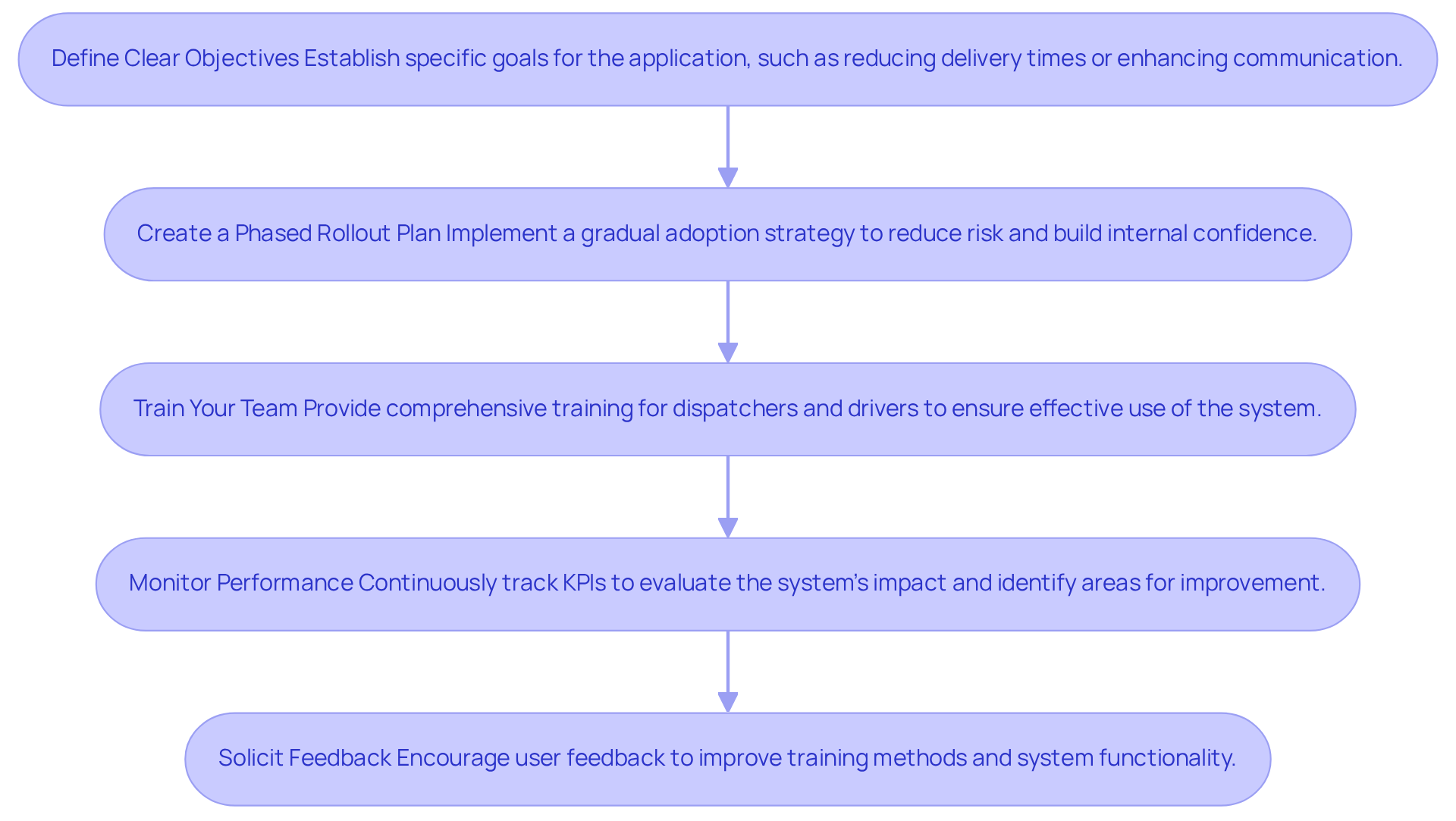
A well-structured strategy is essential for the successful implementation of dispatch software for road freight operations. Here are key steps to consider:
- Define Clear Objectives: Establish specific goals for what the application should achieve, such as reducing delivery times or enhancing communication. Clear objectives help align the system's capabilities with business needs, ensuring a focused implementation.
- Create a Phased Rollout Plan: Instead of a full-scale launch, consider a phased approach that allows for gradual adoption and adjustment based on feedback. This method reduces risk and builds internal confidence, facilitating smoother transitions and better adaptation by the team.
- Train Your Team: Provide comprehensive training for dispatchers and drivers to ensure they are comfortable using the new system and understand its benefits. Organizations that invest in structured training experience 70% greater ROI from technology investments, emphasizing the significance of user education. Training should also cover the use of AI capabilities, such as predictive route planning and automated decision-making, which can significantly enhance operational efficiency. Meight focuses on developing driver-centric tools that empower users to utilize these advanced features.
- Monitor Performance: After implementation, continuously track key performance indicators (KPIs) to evaluate the system's impact and identify areas for improvement. Efficient oversight enables companies to refine processes and adjust to evolving needs, guaranteeing ongoing enhancement in operational activities. Without efficient oversight, companies may struggle to adapt to evolving operational needs. Understanding the trends in AI adoption by 2026 underscores the importance of timely implementation of dispatch software for road freight operations. Meight's cloud-based platform provides real-time operational monitoring, enabling logistics providers to gain comprehensive insights into their operations.
- Solicit Feedback: Encourage users to provide feedback on their experiences with the application. Collecting user insights can improve training methods and system functionality, resulting in a more effective implementation. Furthermore, citing case studies that demonstrate the effectiveness of these strategies can offer practical applications and insights, highlighting how Meight is transforming supply chain management through innovative solutions.
Logistics firms that follow these steps will find themselves better equipped to implement routing software, which can significantly boost operational efficiency and service delivery. Implementing these strategies is crucial for maintaining a competitive edge in the logistics industry.
Conclusion
Integrating dispatch software into road freight operations is essential for enhancing efficiency and sustainability in logistics. By automating key processes such as driver assignments and route optimization, dispatch software streamlines operations and meets the increasing demands of customers.
Throughout the article, several critical aspects of effective dispatch software have been highlighted. Key features such as real-time tracking, automated scheduling, and seamless communication channels are essential for improving operational outcomes. Furthermore, the importance of integrating dispatch software with existing IT systems cannot be overstated, as it ensures continuity and maximizes the potential of logistics operations. A structured implementation strategy, coupled with comprehensive training and performance monitoring, is vital for realizing the full benefits of these technologies.
Ultimately, the adoption of best practices for dispatch software in road freight operations is crucial for companies aiming to thrive in a competitive landscape. By embracing these strategies, logistics firms can enhance their operational efficiency and contribute to a more sustainable future in transportation. Without timely investment in dispatch software, companies risk falling behind in an increasingly competitive logistics landscape.
Frequently Asked Questions
What is dispatch software for road freight operations?
Dispatch software for road freight operations is a tool that automates the assignment of drivers to delivery tasks, optimizes routing, and improves communication between dispatchers and drivers.
How does dispatch software enhance operational efficiency in logistics?
It enhances operational efficiency by integrating functionalities like GPS tracking, real-time updates, and automated scheduling, allowing dispatchers to monitor vehicle locations, manage schedules, and respond quickly to changes in delivery requirements.
What are the benefits of using dispatch software for road freight operations?
The benefits include reduced delays, improved customer satisfaction, optimized logistics, and better management of driver availability and routing.
How does Meight's GoMeight app contribute to dispatch operations?
The GoMeight app enables automated orders to be dispatched to drivers and matches upcoming loads to available drivers and trucks at any location, streamlining the dispatch process.
What sustainability benefits are associated with dispatch software for road freight operations?
The integration of dispatch software contributes to sustainability by managing CO2 emissions, with Meight's software managing 43.8 kton of CO2 emissions, thus promoting a more sustainable future in transportation.

Subscribe to our newsletter
No spam! Promise!
Related posts

Master Truck Routing Online: Key Practices for Logistics Success

5 Best Practices for GPS Tracking Fleet Management Software
Maximize Efficiency with GPS Tracking for Business Vehicles