

5 Best Practices for GPS Tracking Fleet Management Software

Introduction
The logistics industry faces significant challenges in fleet management, particularly in the integration of GPS tracking technology. By utilizing this technology, organizations can achieve operational efficiencies, reduce costs, and improve customer satisfaction through enhanced delivery accuracy. However, many organizations struggle with the complexities of integrating GPS tracking systems effectively.
What best practices can fleet managers adopt to maximize the benefits of GPS tracking and navigate potential challenges?
Understand GPS Tracking and Its Role in Fleet Management
GPS monitoring is essential for optimizing vehicle management in today's fast-paced logistics environment. This technology provides vehicle managers with enhanced operational visibility, allowing them to optimize routes and improve safety. Utilizing GPS monitoring allows fleet managers to lower operational expenses significantly. It also enhances customer satisfaction through timely deliveries.
For instance, real-time monitoring enables prompt route modifications based on traffic conditions, leading to substantial fuel savings and improved delivery efficiency. With the evolving supply chain landscape, the adoption of GPS monitoring technology is expected to rise, with the global market projected to reach USD 5.7 billion by 2028, reflecting a compound annual growth rate of 13.1% from 2023 to 2028. This growth underscores the importance of GPS tracking in managing the complexities of modern supply chain operations.
Moreover, Meight's commitment to managing 43.8 kton of CO2 emissions in road freight transportation illustrates how telematics can promote sustainability. Meight's advanced logistics platform automates freight planning and driver matching, optimizing driver availability and routing, which enhances operational efficiency and contributes to reducing the carbon footprint of logistics operations.
As regulations tighten, the role of GPS monitoring in ensuring compliance and operational integrity will only become more critical.

Evaluate Key Features for Effective Fleet Management Software
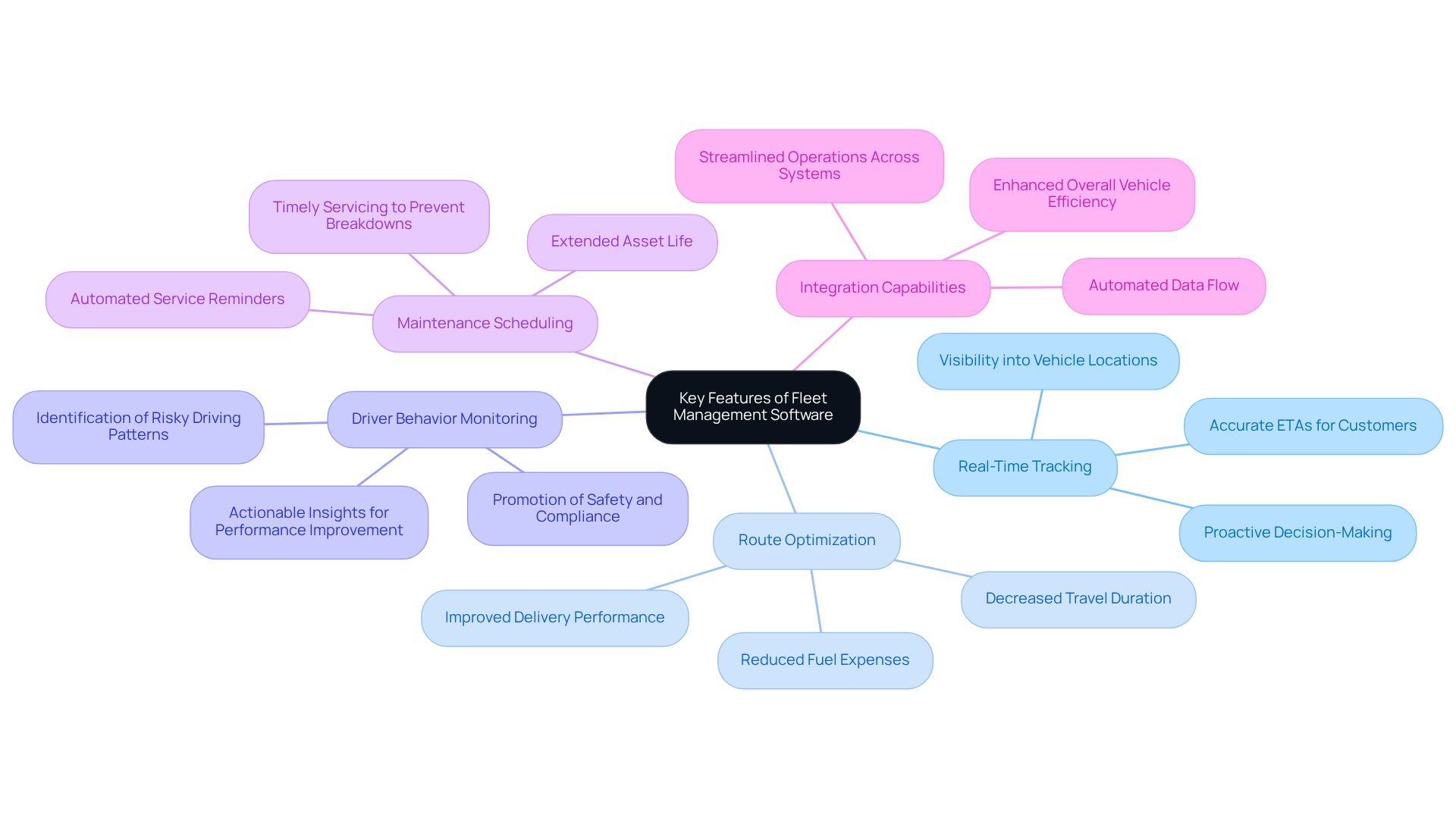
Selecting the right GPS tracking fleet management software is crucial for organizations aiming to enhance operational efficiency and customer satisfaction. Evaluating key features is essential for optimizing operations. Real-time tracking with GPS tracking fleet management software offers visibility into vehicle locations, enabling proactive decision-making and enhancing customer satisfaction through accurate ETAs. Meight's cloud-based logistics platform offers a real-time overview of operations, from pickup to delivery, through a single dashboard.
Route optimization is essential, as it decreases travel duration and fuel expenses, directly affecting operational efficiency; groups that utilize such tools can realize substantial savings, particularly given that fuel represents around 40% of overall operational costs. Monitoring driver behavior is another vital aspect, as it identifies risky driving patterns, promoting safety and compliance with regulations. Meight's platform analyzes driving patterns to provide actionable insights, guiding drivers to enhance their performance on critical road segments, resulting in improved driver performance and operational efficiency, which ultimately contributes to reduced fuel costs. Additionally, effective maintenance scheduling ensures vehicles receive timely servicing, preventing costly breakdowns and extending asset life.
A comprehensive GPS tracking fleet management software solution should also provide integration capabilities with existing systems, streamlining operations across the board. For example, Meight's automated solutions enable smooth integration of GPS monitoring with maintenance software, automating service reminders based on mileage and significantly improving overall vehicle efficiency. Furthermore, Meight's automated order dispatching feature optimizes load assignments to available drivers and trucks, ensuring efficient freight management.
In 2026, groups that utilize data discipline and proactive management will be better equipped to handle the intricacies of supply chain operations and satisfy changing customer expectations, as pointed out by industry specialists who stress that data discipline is a competitive edge. Organizations that prioritize data discipline and proactive management will not only navigate supply chain complexities but also exceed customer expectations.
Integrate GPS Tracking with Existing Logistics Systems
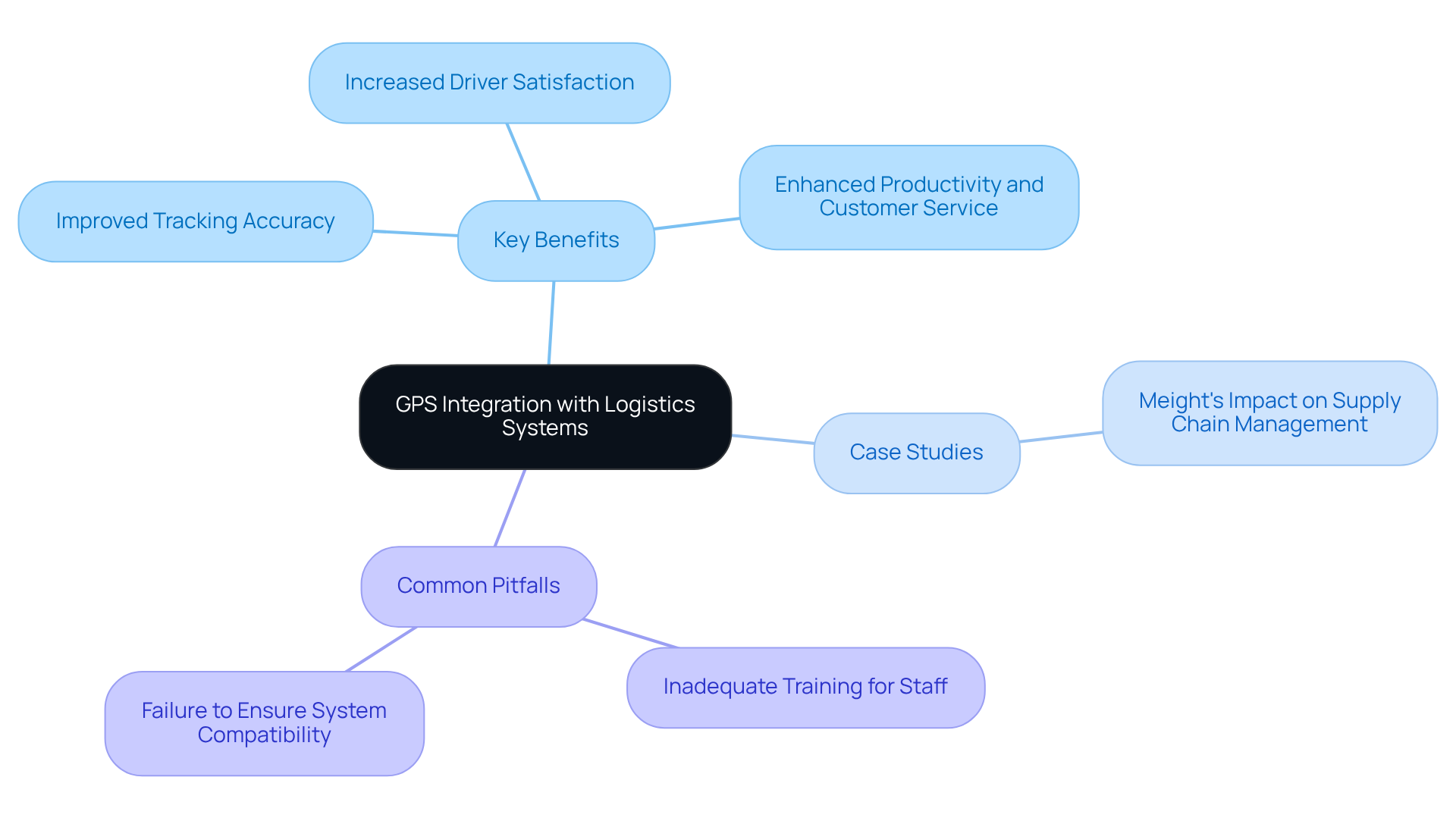
Without GPS integration, logistics operations risk inefficiencies that can hinder decision-making and operational performance. Integrating GPS tracking fleet management software with logistics systems enhances data flow, improving decision-making and operational efficiency. For instance, when GPS data is combined with a Transportation Management System (TMS), it provides valuable insights into delivery performance and identifies areas for improvement. The use of GPS tracking fleet management software enables automated reporting and analytics, helping fleet managers monitor key performance indicators (KPIs) effectively. A successful integration strategy necessitates collaboration with IT teams to ensure compatibility and data synchronization across platforms.
Key Benefits of GPS Integration:
- Improved tracking accuracy
- Increased driver satisfaction
- Enhanced productivity and customer service
Case studies from Meight illustrate that companies leveraging GPS integration have experienced significant improvements. For example, Meight's commitment to transforming supply chain management through intelligent solutions has helped partners optimize resource allocation and reduce penalties for late deliveries. As of July 2026, the trend toward integrating GPS technology continues to grow, with delivery service providers recognizing its potential to optimize operations and reduce costs.
Common Pitfalls to Avoid:
- Inadequate training for staff
- Failure to ensure system compatibility
Recognizing and addressing these pitfalls is crucial for logistics providers aiming to fully leverage GPS integration benefits.
Implement GPS Tracking Software Effectively
To achieve successful implementation of GPS tracking fleet management software, a structured and tailored approach is essential. Start by establishing specific objectives and requirements that directly align with your operational goals. Conduct thorough research to select software that meets these criteria, considering factors such as scalability and integration capabilities. Involve key stakeholders - drivers, dispatchers, and finance teams - in the implementation process to encourage stakeholder engagement and proactively address any concerns.
Comprehensive training is crucial; allocate two to three hours for initial sessions, followed by ongoing training to reinforce system usage and benefits. Implementing a phased rollout can reduce disruptions and facilitate necessary adjustments based on initial feedback.
Regularly monitor the implementation process, utilizing customized dashboards to track key metrics and gather user feedback, which will facilitate continuous improvement and maximize the system's value. Ultimately, a well-executed implementation strategy can significantly enhance operational efficiency and decision-making.

Monitor and Optimize GPS Tracking Performance
Regular oversight is essential for maximizing the effectiveness of GPS tracking fleet management software in managing vehicles. Here are key practices to consider:
- Establish Key Performance Indicators (KPIs): Focus on metrics such as fuel efficiency, on-time delivery rates, and driver behavior to assess tracking system effectiveness.
- Utilize Advanced Analytics Tools: Gain insights into these metrics to identify trends and areas for improvement. For instance, if fuel consumption exceeds expectations, analyze route data to pinpoint inefficiencies.
- Gather Feedback: It's important to gather feedback from drivers and vehicle managers to understand their experiences with the system, allowing for necessary adjustments.
- Continuous Optimization: This approach enhances operational efficiency, leading to significant cost savings and improved service delivery.
- Implement Predictive Analytics: Anticipate maintenance needs to keep vehicles in optimal condition and reduce unexpected breakdowns.
- Foster a Culture of Accountability: Promote transparency through GPS tracking to enhance safety and operational performance.
By leveraging network data from Meight devices - such as location, usage, and driving information - fleet managers can make informed decisions that enhance logistics operations.

Conclusion
In a rapidly evolving logistics landscape, effective GPS tracking is not merely an upgrade; it is a strategic imperative for success. Integrating GPS tracking technology enhances operational visibility and optimizes routes. It significantly reduces costs and improves customer satisfaction through timely deliveries. As the logistics industry continues to evolve, organizations face the challenge of adapting to rapid changes, making the adoption of best practices in GPS tracking essential.
Key insights from the article highlight the critical features of GPS tracking software, such as:
- Real-time monitoring
- Route optimization
- Driver behavior analysis
These elements work together to create a comprehensive solution that streamlines operations and fosters a culture of accountability and safety. Furthermore, the successful integration of GPS tracking with existing logistics systems leads to substantial improvements in operational efficiency and overall business performance.
As organizations look to the future, they must invest in the right technology, engage stakeholders, and commit to ongoing improvement to maintain efficiency and responsiveness in fleet management. Without a commitment to these practices, organizations risk falling behind in an increasingly competitive market.
Frequently Asked Questions
What is the role of GPS tracking in fleet management?
GPS tracking is essential for optimizing vehicle management, providing enhanced operational visibility, allowing for route optimization, improving safety, and significantly lowering operational expenses.
How does GPS monitoring improve customer satisfaction?
GPS monitoring enhances customer satisfaction by enabling timely deliveries through real-time monitoring, which allows for prompt route modifications based on traffic conditions.
What is the projected growth of the GPS monitoring market?
The global GPS monitoring market is projected to reach USD 5.7 billion by 2028, reflecting a compound annual growth rate of 13.1% from 2023 to 2028.
How does Meight contribute to sustainability in logistics?
Meight manages 43.8 kton of CO2 emissions in road freight transportation by utilizing telematics to promote sustainability, optimize driver availability, and enhance routing efficiency.
Why is evaluating key features important when selecting fleet management software?
Evaluating key features is crucial for enhancing operational efficiency and customer satisfaction, as it helps organizations optimize their operations effectively.
What are some key features to look for in GPS tracking fleet management software?
Key features include real-time tracking, route optimization, driver behavior monitoring, effective maintenance scheduling, and integration capabilities with existing systems.
How does route optimization affect operational efficiency?
Route optimization decreases travel duration and fuel expenses, which directly impacts operational efficiency and can lead to substantial savings, as fuel represents around 40% of overall operational costs.
What benefits does monitoring driver behavior provide?
Monitoring driver behavior identifies risky driving patterns, promotes safety, ensures compliance with regulations, and provides actionable insights to enhance driver performance.
How does Meight's platform improve vehicle efficiency?
Meight's platform automates service reminders based on mileage, ensuring timely vehicle servicing, preventing costly breakdowns, and extending asset life.
What is the significance of data discipline in supply chain operations?
Data discipline and proactive management are essential for navigating supply chain complexities and exceeding customer expectations, providing a competitive edge for organizations.

Subscribe to our newsletter
No spam! Promise!
Related posts

Best Practices for Dispatch Software in Road Freight Operations

Master Truck Routing Online: Key Practices for Logistics Success
Maximize Efficiency with GPS Tracking for Business Vehicles