

5 Essential Transport Management Software for European Carriers

Introduction
Carriers in European logistics face significant challenges that threaten their operational efficiency and profitability. Rising costs, regulatory pressures, and the demand for enhanced customer service create a complex environment for these carriers. Transport management software (TMS) is essential, providing features that help optimize operations and boost efficiency. However, with numerous options available, choosing the right TMS is crucial for carriers to remain competitive and efficient in their operations.
Key Features of Transport Management Software for European Carriers
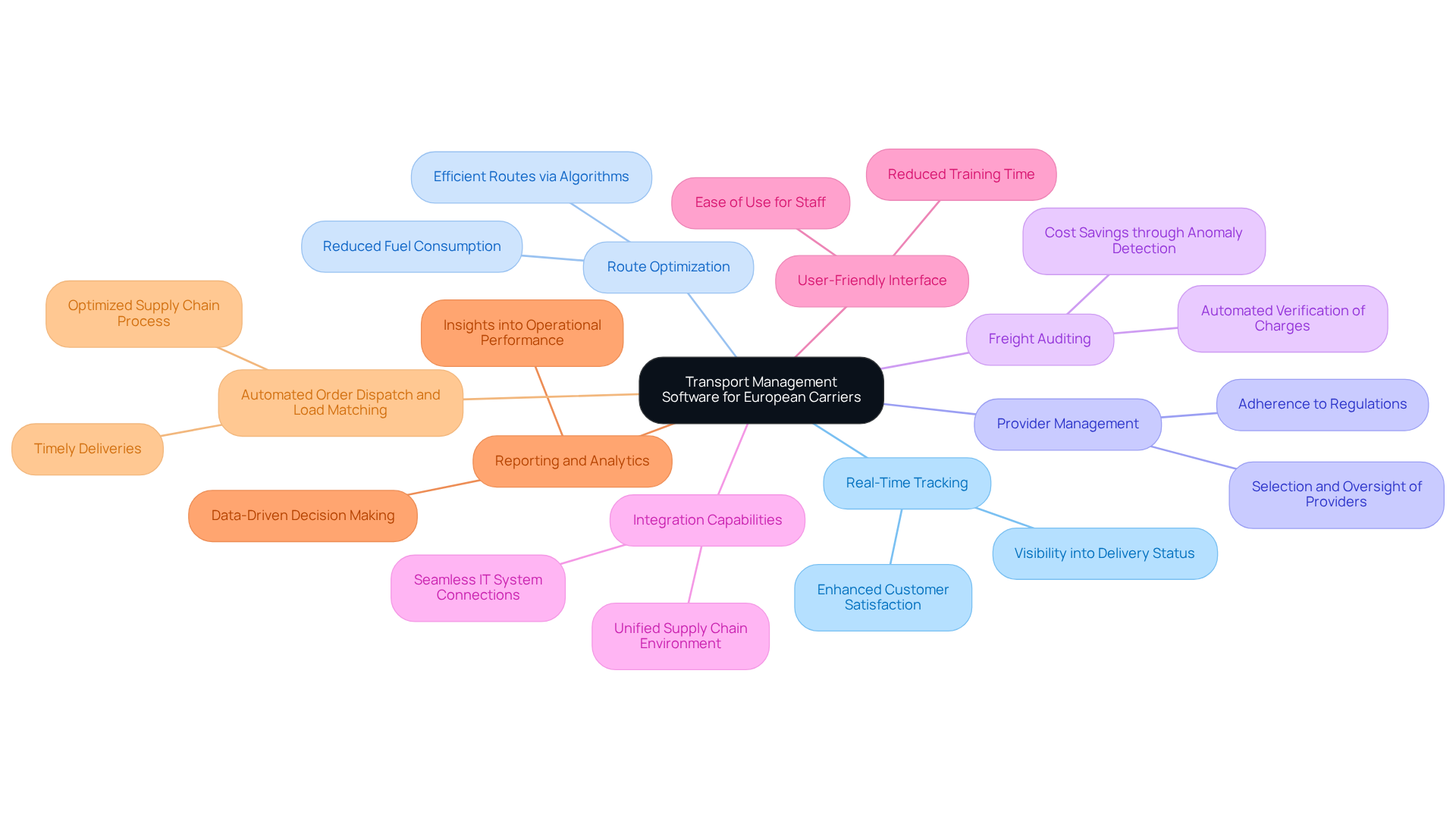
In an increasingly competitive European logistics landscape, carriers face significant challenges that demand innovative solutions. Transport management software (TMS) for European carriers encompasses several essential features that significantly enhance operational efficiency and streamline logistics processes:
- Real-Time Tracking: This capability allows transporters to keep a close eye on shipments as they move, providing crucial visibility into delivery status and estimated arrival times. Real-time tracking is essential for enhancing customer satisfaction and clarity in operations.
- Route Optimization: Utilizing advanced algorithms, TMS determines the most efficient routes, leading to reductions in fuel consumption and improved delivery times. AI-enhanced optimization learns from actual shipping patterns to identify consolidation opportunities, resulting in more efficient shipping processes.
- Provider Management: This functionality enables the selection and oversight of providers, ensuring adherence to regulations and performance standards. Effective carrier management is vital for maintaining service quality and operational reliability.
- Freight Auditing: Automating the auditing process helps verify freight charges, eliminating overpayments and discrepancies. AI capabilities in freight auditing can detect anomalies that traditional methods might miss, leading to significant cost savings.
- Integration Capabilities: TMS seamlessly connects with existing IT systems, allowing for efficient data sharing and analytics across platforms. This integration is vital for establishing a unified supply chain environment that improves decision-making. Meight's cloud-based platform ensures that load management is efficient and stays within budget, all manageable with just a few clicks from your laptop.
- User-Friendly Interface: A user-friendly interface ensures ease of use for staff, reducing training time and increasing adoption rates. This feature is critical for maximizing the effectiveness of the software.
- Reporting and Analytics: TMS provides insights into operational performance, enabling carriers to make data-driven decisions that enhance efficiency. As supply chain operations encounter growing pressure to enhance efficiency, utilizing transport management software for European carriers becomes essential for strong reporting tools.
- Automated Order Dispatch and Load Matching: The GoMeight App provides automated order dispatch and load matching features, optimizing the supply chain process and ensuring timely deliveries.
By leveraging these features, providers can not only enhance their operational efficiency but also position themselves strategically in a rapidly evolving market.
Benefits of Implementing Transport Management Systems
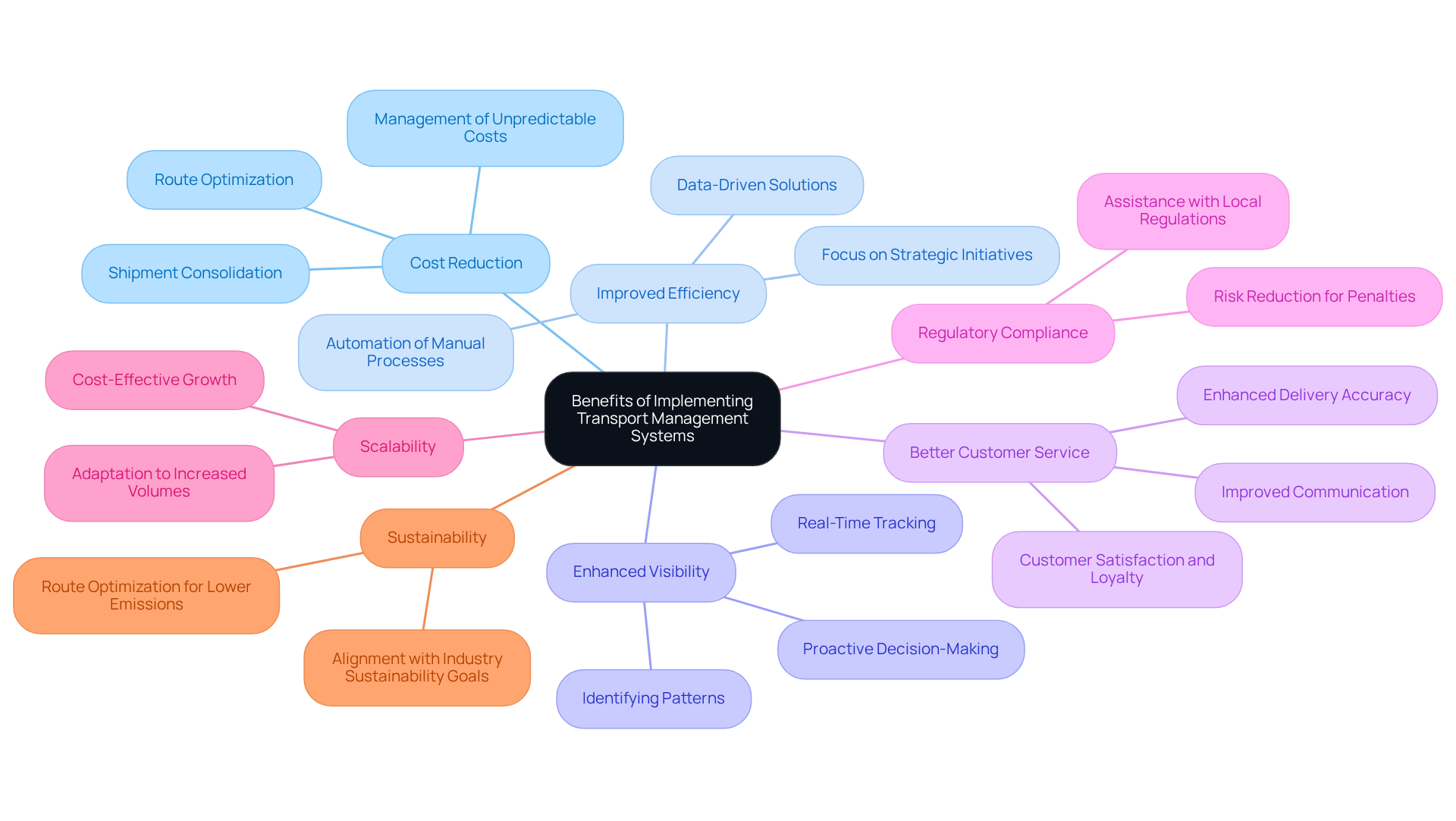
European carriers face numerous challenges in the logistics landscape, making the implementation of transport management software for European carriers not just beneficial, but essential. Implementing TMS provides carriers with a range of significant benefits, including:
- Cost Reduction: Implementing TMS solutions allows for route optimization and shipment consolidation, which effectively lowers transportation costs. This is crucial as transport management software for European carriers is needed to manage the unpredictable transport costs caused by fluctuating fuel prices and tolls.
- Improved Efficiency: By automating manual processes, TMS reduces errors and accelerates operations. This enables logistics teams to focus on strategic initiatives rather than routine tasks. Meight's intelligent transport management software for European carriers exemplifies this by leveraging data-driven solutions to enhance operational efficiency.
- Enhanced Visibility: Real-time tracking and reporting offer carriers valuable insights into their operations. This facilitates proactive decision-making and helps identify patterns such as empty miles and underused capacity. Notably, 82% of supply chain leaders plan to integrate transport management software for European carriers and artificial intelligence into their operations within the next five years. This trend underscores the growing importance of visibility in logistics. Meight's focus on transport management software for European carriers positions it at the forefront of this trend.
- Better Customer Service: Enhanced delivery accuracy and improved communication foster greater customer satisfaction and loyalty, which are essential in a competitive market. Meight's commitment to transforming logistics ensures that partners utilize transport management software for European carriers to deliver exceptional service.
- Regulatory Compliance: Numerous TMS solutions incorporate features that assist transporters in complying with local and international regulations, thus reducing the risk of penalties. Meight's platform is designed to support compliance seamlessly by utilizing transport management software for European carriers.
- Scalability: As businesses expand, TMS can easily adapt to increased volumes and complexities, enabling carriers to scale operations without incurring significant additional costs. Meight's transport management software for European carriers is designed to grow alongside your business.
- Sustainability: By optimizing routes and reducing fuel consumption, TMS contributes to lower carbon emissions. Fleets employing specialized sustainability solutions released on average 6.3% less CO2 per mile than non-users, aligning with the industry's increasing emphasis on sustainability. Meight's innovative approach to transport management software for European carriers emphasizes sustainable practices, helping partners reduce their environmental impact.
Ultimately, the integration of transport management software for European carriers is not merely an operational upgrade; it is a strategic imperative for carriers aiming to thrive in a competitive market.
Comparison of Leading Transport Management Software Solutions
European carriers face a multitude of transport management software solutions, each offering unique features and capabilities:
-
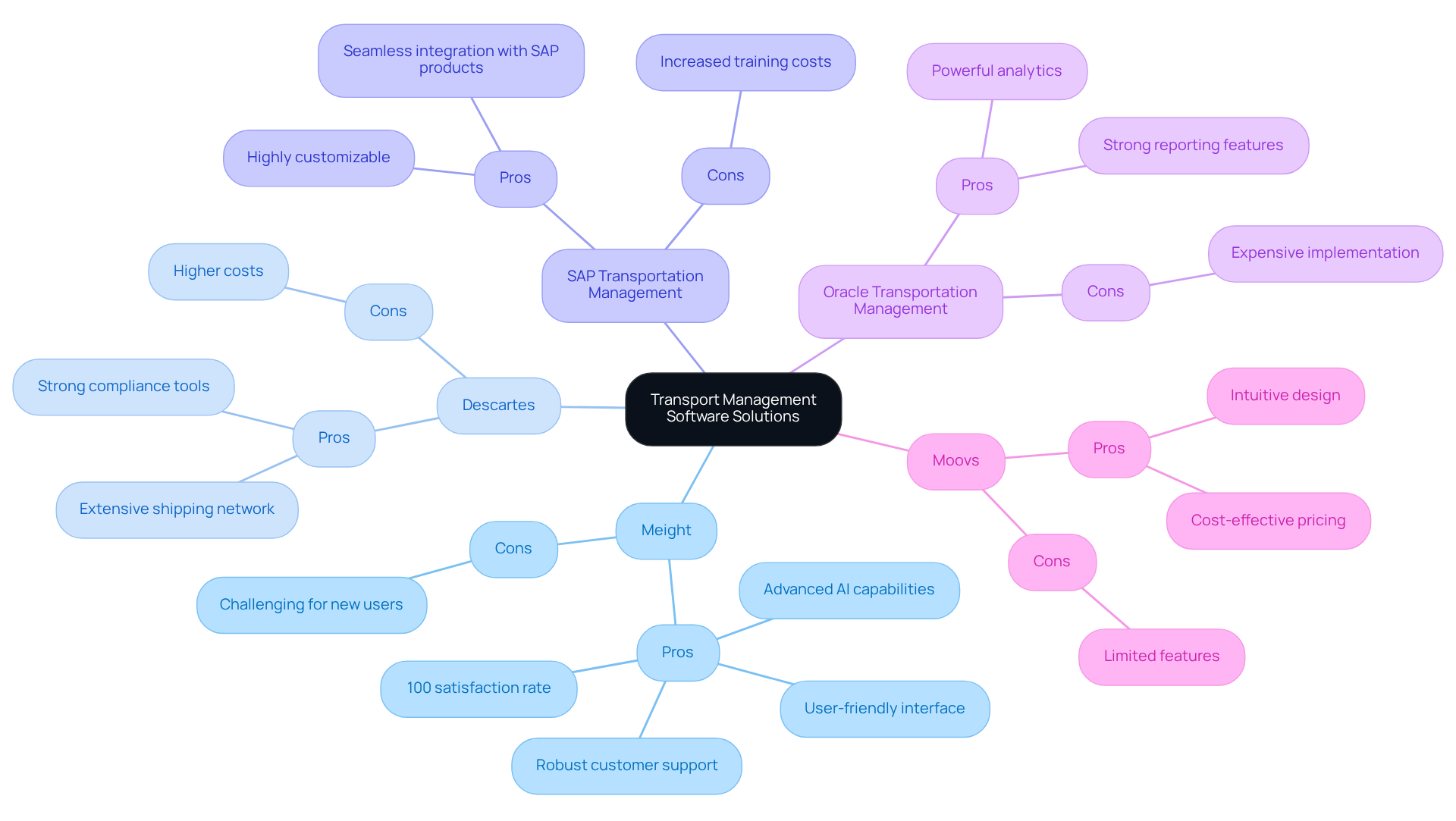
Meight: Renowned for its AI-native automation, Meight delivers a comprehensive suite of features, including real-time tracking, route optimization, and seamless integration with existing IT systems. Its dedication to sustainability and efficiency positions it as a leading option for contemporary supply chain providers. Meight is transforming logistics with AI-driven solutions that boost operational capabilities and support users effectively.
- Pros: Advanced AI capabilities, user-friendly interface, and robust customer support, with a 100% satisfaction rate from users.
- Cons: New users may find the extensive features of Meight challenging to navigate initially.
-
Descartes: Descartes stands out as a leader in the TMS market, providing robust freight management and compliance features to over 10,000 customers in more than 160 countries.
- Pros: Extensive shipping network and strong compliance tools, particularly for international delivery.
- Cons: Higher costs compared to newer solutions may deter smaller carriers.
-
SAP Transportation Management: This solution provides a comprehensive suite of tools tailored for large enterprises, focusing on end-to-end logistics management.
- Pros: Highly customizable and integrates seamlessly with other SAP products, enhancing operational synergy.
- Cons: The complexity of the system may lead to increased training costs and time for smaller providers.
-
Oracle Transportation Management: Known for its scalability and advanced analytics capabilities, Oracle is ideal for large-scale operations needing detailed insights.
- Pros: Powerful analytics and strong reporting features that support data-driven decision-making.
- Cons: Implementation can be expensive and complex, necessitating dedicated resources for successful deployment.
-
Moovs: A newer participant concentrating on user experience and adaptability, making it attractive for small to medium-sized transport companies.
- Pros: Intuitive design and cost-effective pricing structure, catering to budget-conscious businesses.
- Cons: Limited features compared to larger competitors may restrict its appeal for more complex logistics needs.
This comparison highlights the varied choices accessible to providers, each with distinct advantages and possible disadvantages. Ultimately, the choice of transport management software for European carriers should align with the specific operational needs and strategic goals of the carrier.
Criteria for Choosing the Right Transport Management Software
European carriers face critical decisions when selecting transport management software, as the right choice can significantly impact operational efficiency.
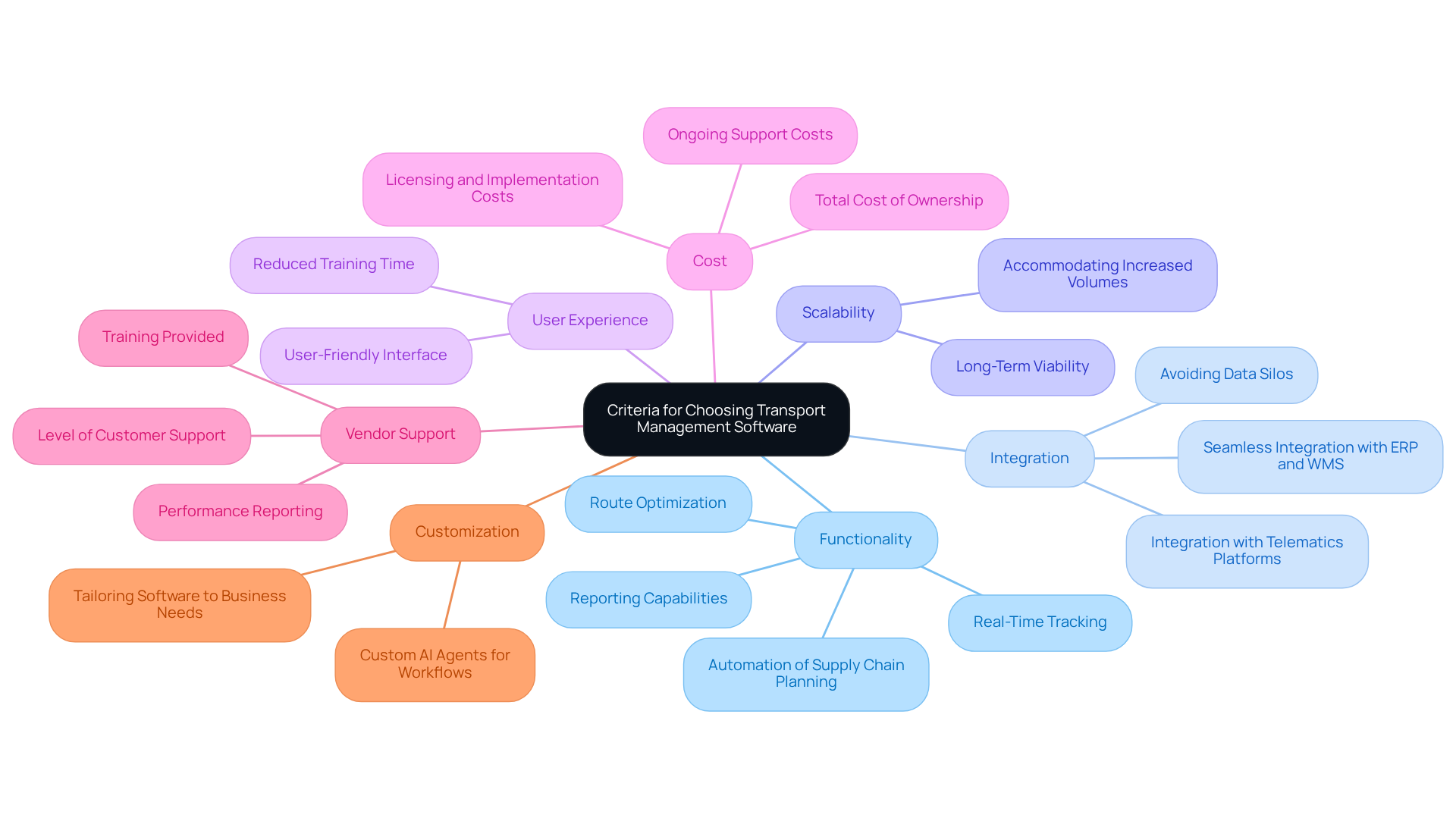
- Functionality: Essential features such as real-time tracking, route optimization, and reporting capabilities are crucial. The implementation of a TMS can lead to a 20% reduction in delivery costs, underscoring the importance of functionality. A TMS that automates supply chain planning while permitting real-time adjustments can significantly improve efficiency.
- Integration: The ability to seamlessly integrate with existing systems like ERP and WMS is vital for smooth operations. A well-selected TMS should avoid creating data silos and enhance centralization, which is increasingly important as companies seek to improve supply chains and customer experiences. By 2026, companies expect TMS to integrate directly with telematics platforms for continuous data from vehicles and drivers, which underscores the necessity for robust integration capabilities.
- Scalability: Opt for a solution that can grow with your business, accommodating increased volumes and complexity. Without scalability, businesses risk falling behind as the market evolves. The transportation management system market is projected to reach $3.19 billion by 2029, making scalability essential for long-term viability.
- User Experience: A user-friendly interface can significantly reduce training time and improve adoption rates among staff. Intuitive design in systems facilitates smoother transitions and prepares staff for action.
- Cost: Evaluate the total cost of ownership, including licensing, implementation, and ongoing support costs. Selecting a budget-oriented TMS may result in limitations that hinder growth, leading to costly migrations later. Understanding total cost of ownership is crucial, including implementation, integration, and ongoing costs.
- Vendor Support: Consider the level of customer support and training provided by the vendor, as this can impact the successful implementation of the software. Regular, data-driven performance reporting from managed providers can also enhance service delivery. As Kynection states, "By 2026, the difference between struggling supply teams and stable ones will not be effort, but clarity."
- Customization: The ability to tailor the software to meet specific business needs can enhance its effectiveness and usability. Custom AI agents can automate specific functional workflows, allowing operators to concentrate on exception management and customer communication.
Ultimately, the right transport management software for European carriers can be a decisive factor in achieving operational excellence and gaining a competitive advantage.
Conclusion
In the competitive realm of European logistics, choosing the right transport management software (TMS) is crucial for carriers looking to improve their operational efficiency and market position. This article highlights the necessity of TMS, focusing on essential features like real-time tracking, route optimization, and strong integration capabilities. These features improve logistics processes and enhance customer satisfaction.
Key arguments presented include the significant benefits of implementing TMS, such as cost reduction, enhanced visibility, and scalability, which are crucial for navigating the complexities of modern supply chains. Furthermore, the comparison of leading software solutions illustrates the diverse options available, each offering unique strengths that cater to specific operational needs. The criteria for choosing the right software, including functionality, user experience, and vendor support, further emphasize the importance of making an informed decision.
Ultimately, adopting transport management software is a strategic necessity for carriers who want to succeed in the fast-changing logistics landscape. By embracing TMS, companies can streamline their operations and position themselves for long-term success, ensuring they remain competitive in an industry that increasingly values efficiency and sustainability. Without prioritizing advanced TMS solutions, carriers risk falling behind in an industry that increasingly values efficiency and sustainability.
Frequently Asked Questions
What is transport management software (TMS) for European carriers?
TMS for European carriers is a software solution that enhances operational efficiency and streamlines logistics processes in the competitive European logistics landscape.
What are the key features of TMS for European carriers?
Key features include real-time tracking, route optimization, provider management, freight auditing, integration capabilities, a user-friendly interface, reporting and analytics, and automated order dispatch and load matching.
How does real-time tracking benefit carriers?
Real-time tracking allows carriers to monitor shipments closely, providing visibility into delivery status and estimated arrival times, which enhances customer satisfaction and operational clarity.
What is route optimization in TMS?
Route optimization uses advanced algorithms to determine the most efficient routes, reducing fuel consumption and improving delivery times by learning from actual shipping patterns.
What is the purpose of provider management in TMS?
Provider management enables the selection and oversight of transport providers, ensuring they adhere to regulations and performance standards, which is vital for maintaining service quality and reliability.
How does freight auditing work in TMS?
Freight auditing automates the verification of freight charges, helping to eliminate overpayments and discrepancies, with AI capabilities detecting anomalies that traditional methods might miss.
Why are integration capabilities important in TMS?
Integration capabilities allow TMS to connect seamlessly with existing IT systems, facilitating efficient data sharing and analytics, which is crucial for a unified supply chain environment.
What role does a user-friendly interface play in TMS?
A user-friendly interface ensures ease of use for staff, reducing training time and increasing adoption rates, which maximizes the software's effectiveness.
How does reporting and analytics contribute to operational performance?
Reporting and analytics provide insights into operational performance, enabling carriers to make data-driven decisions that enhance efficiency in their logistics processes.
What is the GoMeight App's function in TMS?
The GoMeight App offers automated order dispatch and load matching features, optimizing the supply chain process and ensuring timely deliveries.

Subscribe to our newsletter
No spam! Promise!
Related posts

Best Practices for Dispatch Software in Road Freight Operations

Master Truck Routing Online: Key Practices for Logistics Success
5 Best Practices for GPS Tracking Fleet Management Software