

Compare the Best Trucking Management Software with Driver Management
Introduction
In logistics, the decision between Trucking Management Software (TMS) and Driver Management Systems (DMS) presents a critical challenge for fleet managers. Choosing between TMS and DMS is crucial for enhancing operational efficiency and ensuring compliance. As the logistics industry evolves, fleet managers must grasp the distinct functionalities and benefits of TMS and DMS to optimize performance.
With numerous software solutions on the market, fleet managers often face confusion in selecting the right tool for their needs. This article provides a detailed comparison of TMS and DMS, emphasizing their key features, advantages, and their essential roles in managing today’s logistics complexities.
Understanding these differences is crucial for making informed decisions that enhance operational effectiveness in logistics.
Understanding Trucking Management Software and Driver Management Systems
In the complex landscape of freight transportation, effective logistics management hinges on the integration of advanced software solutions. Trucking Control Software (TMS) plays a vital role in optimizing logistics for freight transportation, offering functionalities such as:
- Dispatching
- Route planning
- Load management
- Compliance tracking
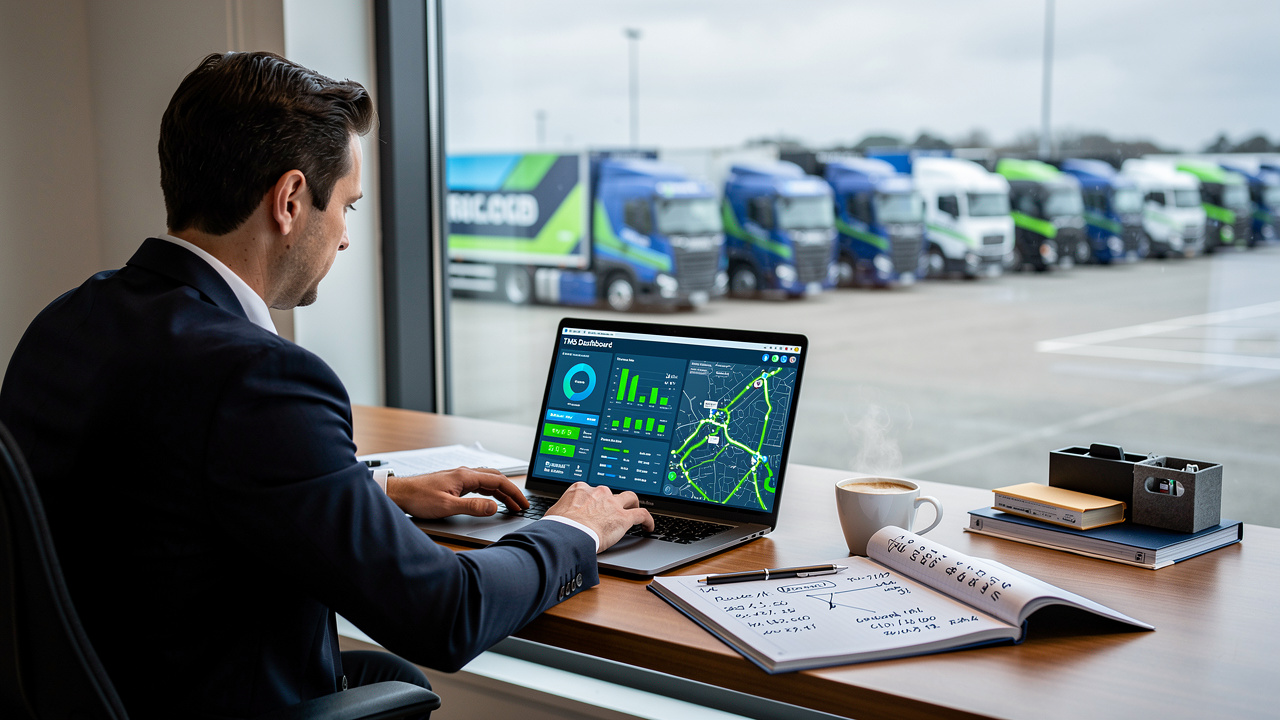
These solutions are crucial for overseeing the transportation process, from order entry to delivery, and they ensure smooth and efficient logistics operations. Meight's platform enhances this process with seamless cloud integration, allowing logistics providers to manage their loads within budget and on time with just a few clicks from their laptops.
In contrast, Driver Management Systems (DMS) specifically focus on the management of operators within a fleet. These systems track operator performance, adherence to regulations, and safety metrics. Key features of DMS include:
- Tracking hours of service
- Managing operator qualifications
- Providing training resources
While TMS provides a thorough operational overview, DMS emphasizes individual driver performance and compliance, making both systems complementary in improving overall vehicle efficiency.
This is evident as companies using advanced DMS have seen safety metrics improve, reporting up to a 40% reduction in accident-related incidents. Experts in the logistics field emphasize the importance of using the best trucking management software with driver management for optimal fleet performance. As one industry expert noted, 'The carriers that survive this cycle will be the ones who manufacture their own margin through better intelligence, stronger visibility, and smarter daily choices.' This highlights the critical role that both systems play in navigating the complexities of modern logistics and ensuring operational efficiency. Furthermore, as carriers are anticipated to encounter increasing input expenses in 2026, the strategic integration of TMS and DMS will be crucial for maintaining competitive advantage.

Key Features of Trucking Management Software vs. Driver Management Systems
In the realm of fleet management, distinguishing between the best trucking management software with driver management and Driver Management Systems (DMS) reveals critical operational differences that impact efficiency and compliance.
Trucking Management Software (TMS) focuses on several key features:
- Dispatch Management: This feature automates the assignment of loads to drivers, optimizing routes and schedules. By improving route efficiency, TMS can lead to a 22-30% reduction in fuel costs. Additionally, the platform learns from driving patterns, allowing it to anticipate errors and encourage drivers to enhance their behavior, ultimately resulting in less stress and greater satisfaction behind the wheel.
- Load Tracking: TMS provides real-time visibility into shipment statuses, which enhances customer service and operational transparency. This capability is crucial for maintaining a competitive advantage in a rapidly evolving market. Meight enhances this feature by offering a comprehensive view of operations from pickup to delivery through a single dashboard, ensuring ease of use and efficiency.
- Compliance Oversight: This feature ensures adherence to regulations such as hours of service and vehicle maintenance, helping organizations avoid costly penalties and operational disruptions. With increasing regulatory pressures, ensuring compliance through effective oversight is more critical than ever for fleet operations.
- Financial Oversight: TMS combines invoicing, accounting, and payment processing to enhance financial operations, potentially saving organizations between $500,000 to $750,000 each year by minimizing administrative burdens.
Driver Management Systems (DMS) also play a vital role in fleet management:
- Performance Monitoring: DMS tracks driver behavior, including speed, braking, and adherence to safety protocols. This proactive management can lead to a 40-60% improvement in safety metrics. Meight's data-driven insights further enhance operator behavior, ensuring effective personnel management, especially in light of the ongoing shortage of operators.
- Training and Compliance: DMS oversees operator certifications, training schedules, and compliance documentation, ensuring that operators meet industry standards and minimizing the risk of accidents.
- Incident Reporting: This feature assists in documenting and examining accidents or safety occurrences involving operators, allowing organizations to implement corrective measures promptly and efficiently.
- Driver Communication: DMS offers tools for direct interaction between drivers and management, enhancing operational efficiency and promoting a culture of accountability. The GoMeight application automates order dispatch and load matching, streamlining communication and logistics processes.
Ultimately, the distinct functionalities of the best trucking management software with driver management are essential for addressing the multifaceted challenges of fleet management in today's dynamic environment. As the logistics landscape evolves, leveraging the right technology becomes not just beneficial but imperative for maintaining a competitive edge and ensuring compliance.

Benefits of Trucking Management Software Compared to Driver Management Systems
Trucking Management Software (TMS) offers significant advantages that enhance operational efficiency and cost-effectiveness.
- Increased Efficiency: Automates routine tasks, significantly reducing manual workloads. This automation can reduce the headcount dedicated to certain workflows by 75%. Consequently, overall productivity is enhanced. The intelligent transport solutions from this company exemplify this efficiency, allowing logistics providers to streamline operations effectively.
- Cost Savings: Optimizes routes and load management, resulting in reduced fuel consumption and operational costs. Shippers utilizing TMS can uncover savings of 10-20% on qualifying lanes, making it a financially sound investment. With AI-driven technology from this company, businesses can further enhance these savings by minimizing fuel usage and improving profitability while contributing to sustainability goals.
- Enhanced Visibility: Real-time visibility is essential for logistics providers, enabling swift responses to disruptions and the maintenance of service levels. Meight's platform provides this visibility, empowering users to make informed decisions.
- Scalability: Adapts easily to growing business needs, accommodating more loads and operators without significant additional investment, thus supporting long-term growth.
- Benefits of Driver Management Systems (DMS):
- Improved Safety: Monitors driver behavior and compliance, effectively reducing the risk of accidents and enhancing overall fleet safety. Proactive operator support can lead to significant risk reduction in health and wellness, contributing to safer driving practices. As Justin Kammerer notes, safety is additive; the more proactive measures taken, the greater the safety outcomes. The application supports this by offering tools for tracking and enhancing operator performance.
- Regulatory Compliance: Ensures that operators meet legal requirements, minimizing the risk of fines and penalties. This compliance is essential as regulations continue to tighten, particularly with the U.S. EPA's finalized standards for future vehicle models, raising compliance expectations starting in 2027. The solutions offered by the company assist logistics providers in staying ahead of these changes.
- Performance Enhancement: Identifies areas for operator training and development, fostering better performance and accountability. Regular training is essential to maintain high service standards and adapt to evolving industry demands. The platform provides this by offering insights into operator performance.
- Operator Retention: By offering support and training, DMS improves job satisfaction and lowers turnover rates among operators, which is essential in an industry encountering persistent labor challenges. Meight's commitment to driver management contributes to a more satisfied and stable workforce.
Both systems provide distinct advantages that can greatly improve operational performance, safety, and compliance in vehicle management when using the best trucking management software with driver management. Ultimately, the integration of TMS and DMS is not just beneficial; it is essential for logistics providers aiming to thrive in a competitive landscape.

Pricing Comparison: Trucking Management Software vs. Driver Management Systems
When assessing the costs associated with the best trucking management software with driver management, the initial investment can often obscure the long-term benefits.
-
Trucking Management Software (TMS):
- Cost Structure: Typically ranges from $10 to $50 per vehicle per month, depending on the features and scale of the operation. Some providers offer tiered pricing based on the number of users or vehicles.
- Implementation Costs: Initial setup and training can add to the overall cost, with some systems requiring significant investment in integration with existing IT infrastructure.
- Long-term Value: The efficiency gains and cost savings from optimized operations can offset the initial investment over time.
Driver Management Systems (DMS):
- Cost Structure: Generally priced between $5 to $30 per driver per month, making it a more affordable option for smaller fleets.
- Additional Costs: May include fees for compliance management features or advanced analytics tools.
- Return on Investment: Improved safety and compliance can lead to lower insurance premiums and reduced liability costs, enhancing the overall value of the investment.
Ultimately, the choice between TMS and DMS hinges on balancing upfront costs with the potential for significant operational improvements and cost savings, particularly when evaluating the best trucking management software with driver management.

Conclusion
In an industry where operational efficiency and safety are paramount, the integration of Trucking Management Software (TMS) and Driver Management Systems (DMS) emerges as a critical strategy. TMS enhances logistics through dispatch management, load tracking, and compliance oversight, whereas DMS emphasizes individual driver performance, safety, and regulatory adherence. Together, these systems create a comprehensive approach to managing both the operational and human elements of logistics, ensuring that fleets operate efficiently and safely.
Key insights from the article highlight the distinct functionalities and benefits of each system:
- TMS significantly boosts operational efficiency and cost savings through automation and real-time visibility.
- DMS enhances safety and compliance, ultimately leading to improved driver performance and retention.
The strategic use of both systems not only addresses the complexities of modern logistics but also positions companies to thrive amid increasing regulatory pressures and rising operational costs.
In a rapidly evolving industry, leveraging the best trucking management software alongside effective driver management is not merely advantageous; it is crucial for maintaining a competitive edge. Organizations that prioritize this integration will not only enhance their operational capabilities but also position themselves as leaders in a competitive landscape.
Frequently Asked Questions
What is Trucking Management Software (TMS)?
Trucking Management Software (TMS) is a solution that optimizes logistics for freight transportation, offering functionalities such as dispatching, route planning, load management, and compliance tracking.
How does TMS benefit logistics operations?
TMS ensures smooth and efficient logistics operations by overseeing the transportation process from order entry to delivery, allowing logistics providers to manage their loads within budget and on time.
What is the role of Driver Management Systems (DMS)?
Driver Management Systems (DMS) focus on managing operators within a fleet, tracking operator performance, adherence to regulations, and safety metrics.
What are the key features of DMS?
Key features of DMS include tracking hours of service, managing operator qualifications, and providing training resources.
How do TMS and DMS complement each other?
TMS provides a thorough operational overview, while DMS emphasizes individual driver performance and compliance, together improving overall vehicle efficiency.
What impact do advanced DMS have on safety metrics?
Companies using advanced DMS have reported up to a 40% reduction in accident-related incidents, indicating improved safety metrics.
Why is the integration of TMS and DMS important for fleet performance?
The integration of TMS and DMS is crucial for optimal fleet performance, as it enhances intelligence, visibility, and decision-making in logistics operations.
What challenges are anticipated for carriers in 2026?
Carriers are expected to face increasing input expenses in 2026, making the strategic integration of TMS and DMS essential for maintaining a competitive advantage.

Subscribe to our newsletter
No spam! Promise!
Related posts

Best Practices for Dispatch Software in Road Freight Operations

Master Truck Routing Online: Key Practices for Logistics Success
5 Best Practices for GPS Tracking Fleet Management Software