

Fleet Management Performance Metrics: Traditional vs. AI Insights
Introduction
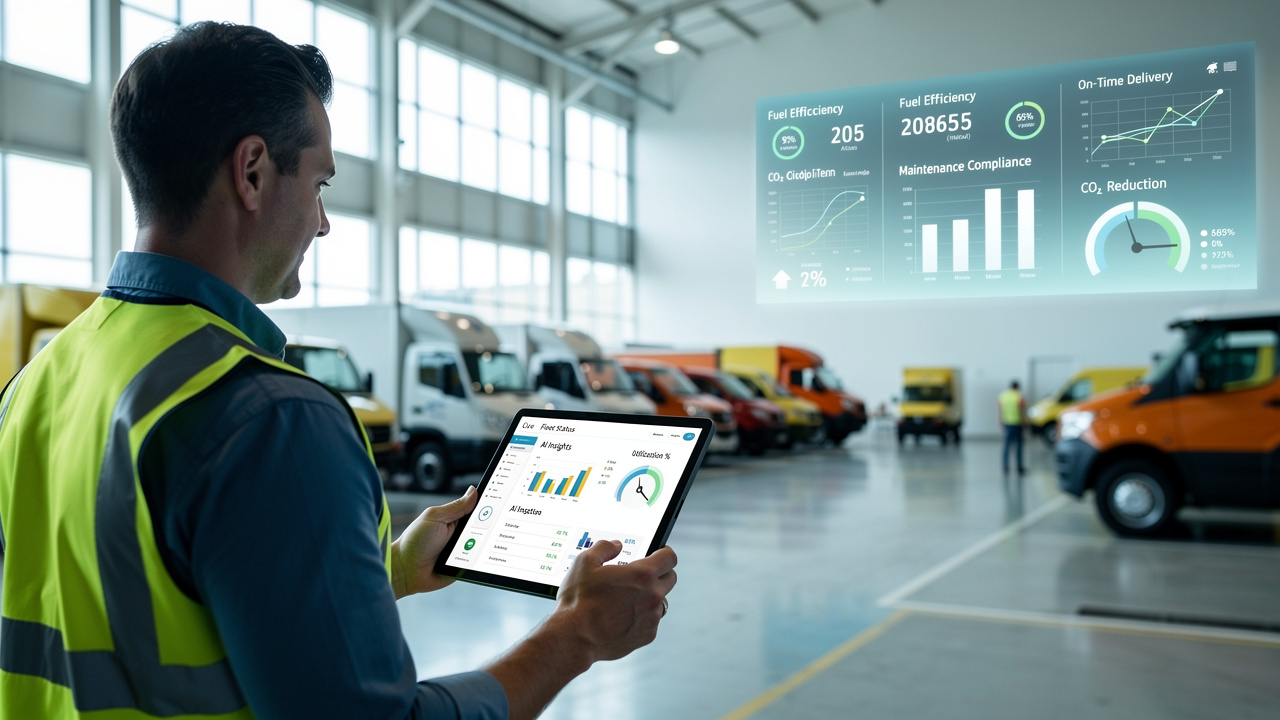
Effective vehicle management hinges on fleet performance metrics that reveal operational strengths and weaknesses. Logistics providers must understand the strengths and limitations of traditional metrics versus AI-driven insights in a complex environment. Embracing AI can shift fleet management from reactive to proactive, improving safety, efficiency, and sustainability. This article analyzes these methodologies, highlighting their implications for logistics operations and the future of fleet management.
Understanding Fleet Management Performance Metrics
Fleet management performance metrics serve as essential performance indicators for vehicle management that evaluate the efficiency and effectiveness of transportation operations. Key metrics include:
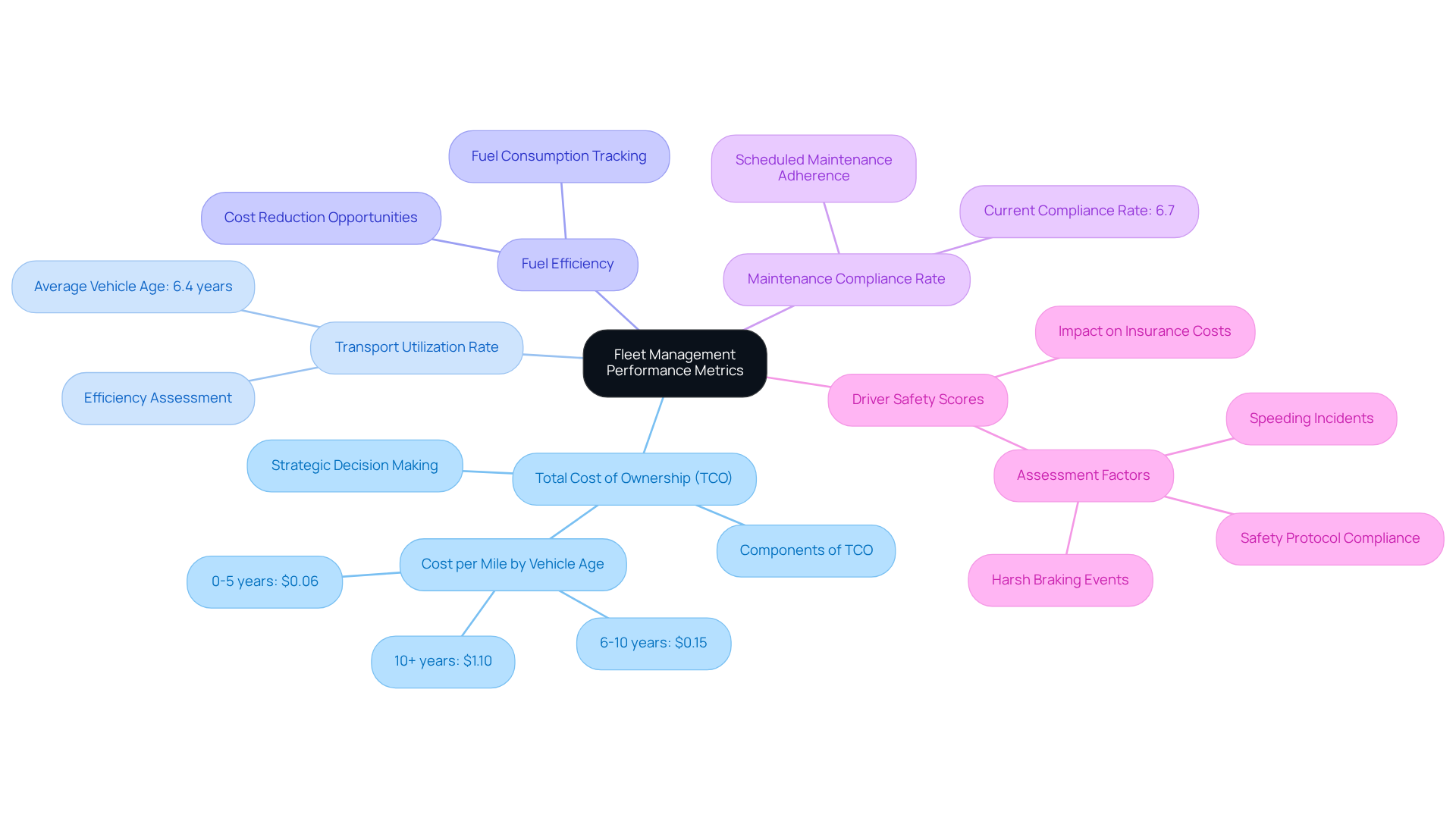
- Total Cost of Ownership (TCO): This metric encompasses all costs associated with owning and operating a vehicle, including purchase price, maintenance, fuel, and depreciation. Understanding TCO is crucial for logistics providers. It helps identify cost-cutting opportunities and informs strategic decisions about fleet investments. Notably, the cost per mile rises significantly with the age of the automobile: $0.06 for units 0-5 years old, $0.15 for 6-10 years, and $1.10 for 10+ years, emphasizing the financial implications of maintaining older assets.
- Transport Utilization Rate: This assesses how efficiently transports are being utilized, calculated as the percentage of time transports are functional versus available. In 2026, the average vehicle utilization rate in the logistics sector is essential for maximizing productivity and reducing costs, particularly given that groups are operating older assets with an average vehicle age of 6.4 years.
- Fuel Efficiency: This metric tracks fuel consumption relative to distance traveled, providing insights into operational efficiency and environmental impact. Fuel is one of the largest ongoing expenses for vehicle groups, making enhancing fuel efficiency a key priority for managers, as it can result in substantial cost reductions.
- Maintenance Compliance Rate: This indicates how well a group of vehicles adheres to scheduled maintenance, which is crucial for minimizing downtime and extending vehicle lifespan. This low percentage indicates significant challenges in achieving effective maintenance scheduling, as only 6.7% of groups describe their maintenance environment as 'fully scheduled'.
- Driver Safety Scores: These scores assess driver behavior, including speeding, harsh braking, and adherence to safety protocols. Improving driver safety is key to reducing accidents and lowering insurance costs, which directly impacts vehicle reputation and operational efficiency.
Comprehending fleet management performance metrics is essential for logistics providers to pinpoint areas for enhancement and compare performance against industry standards. Improving these metrics not only enhances operational efficiency but also drives cost savings and sustainability. By leveraging advanced vehicle management technologies, companies can transform these insights into actionable strategies for enhanced performance and sustainability.
Traditional Fleet Management Metrics: Strengths and Limitations
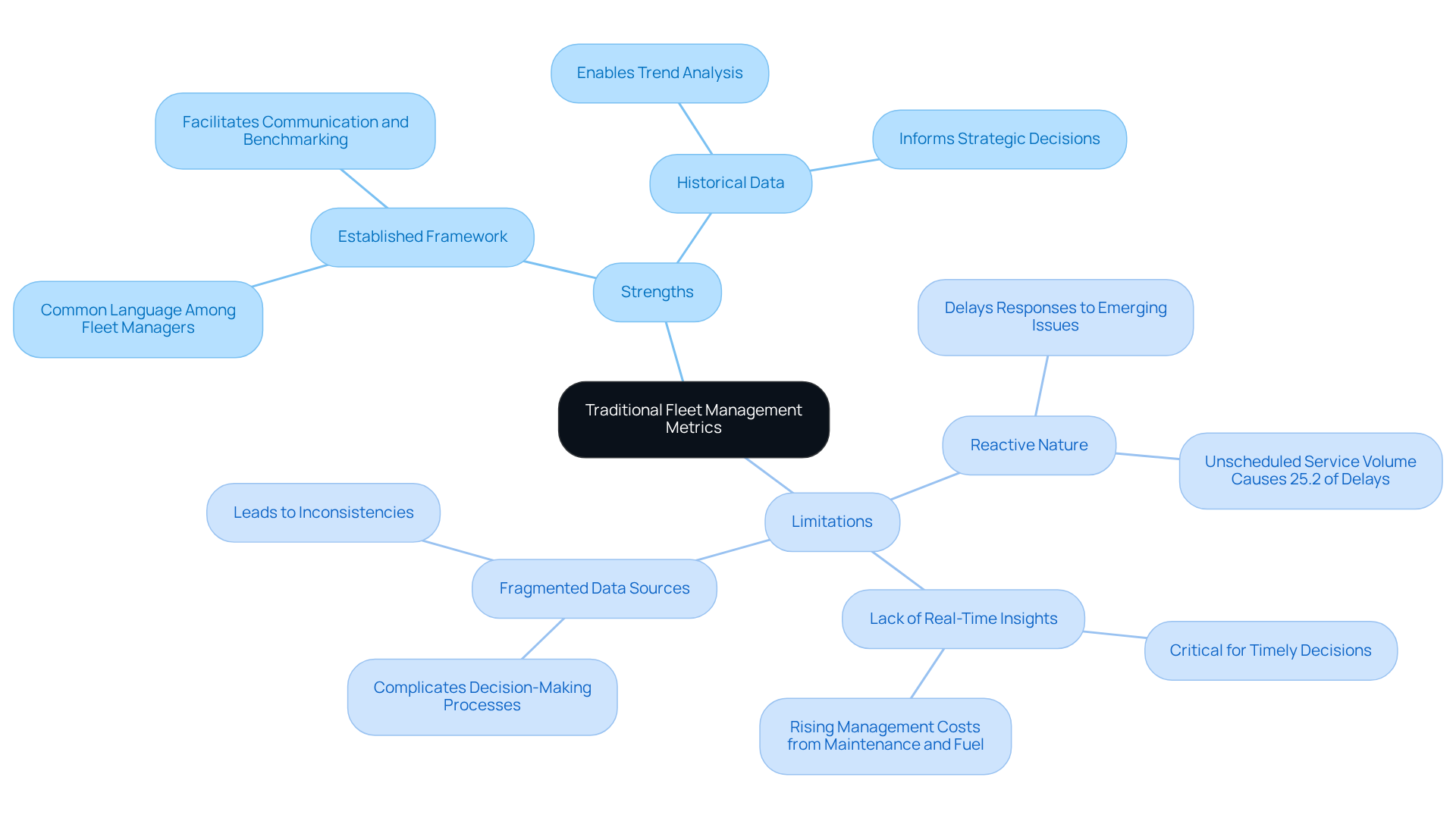
While conventional vehicle management metrics have served as a foundation for operational evaluations, their limitations are becoming increasingly apparent. Their strengths include:
- Established Framework: Metrics such as Total Cost of Ownership (TCO) and vehicle utilization are widely recognized, creating a common language among fleet managers that facilitates communication and benchmarking.
- Historical Data: Many conventional measures utilize historical data, enabling trend analysis and comparisons against past performance, which can inform strategic decisions.
However, these advantages come with significant drawbacks that can hinder operational effectiveness:
- Reactive Nature: These metrics often depend on historical data, resulting in a reactive approach that may delay responses to emerging issues, potentially exacerbating problems. For instance, unscheduled service volume causes 25.2% of delays in starting work, showing that relying solely on historical data can create inefficiencies.
- Lack of Real-Time Insights: Traditional systems frequently lack real-time data capabilities, which are essential for making timely decisions in fast-paced environments. With rising management costs from maintenance, fuel, and insurance, the need for real-time insights is increasingly critical. Meight's AI-driven app addresses this gap by providing optimized routing that not only enhances operational efficiency but also reduces fuel consumption and emissions, aligning with sustainability goals. The Meight App is indeed utilized by drivers, simplifying the tasks of vehicle managers significantly.
- Fragmented Data Sources: Metrics derived from disparate systems can lead to inconsistencies, hindering comprehensive insights and complicating decision-making processes. A case study on delays in work order processing highlights how fragmented data can affect vehicle performance.
While traditional metrics have played a role in vehicle management, their limitations are becoming increasingly clear. As the industry develops, there is an increasing demand for more integrated and proactive methods of measuring fleet management performance metrics for vehicle operations. Embracing innovative solutions is essential for vehicle managers to enhance agility and responsiveness in their operations.
AI-Driven Fleet Management Metrics: Innovations and Advantages
AI-driven fleet management performance metrics signify a pivotal shift in assessing and optimizing fleet performance. Key innovations include:
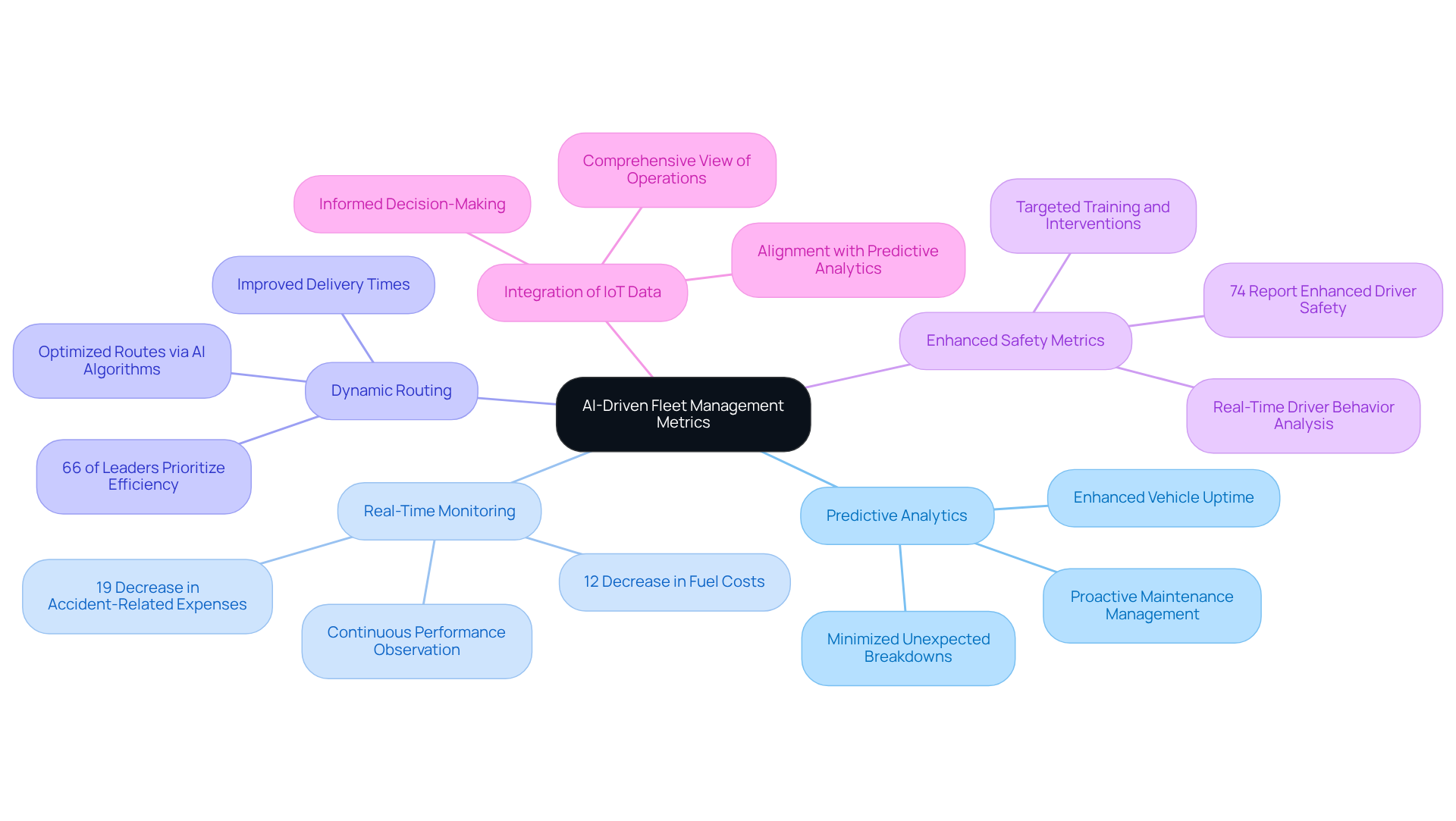
- Predictive Analytics: Leveraging historical and real-time data, AI predicts future trends such as maintenance requirements and fuel consumption, enabling proactive management that minimizes unexpected breakdowns and enhances vehicle uptime.
- Real-Time Monitoring: How can continuous observation of performance through AI systems transform our response to emerging issues? It significantly reduces downtime and enhances operational efficiency. In 2026, groups employing real-time monitoring reported a 12% average decline in fuel costs and a 19% decrease in accident-related expenses.
- Dynamic Routing: In the quest for operational efficiency, dynamic routing emerges as a critical innovation in fleet management. AI algorithms optimize routes by analyzing real-time traffic data, weather conditions, and vehicle performance, leading to decreased fuel consumption and improved delivery times. This capability is essential as groups of vehicles aim to enhance efficiency and productivity, with 66% of leaders in this sector prioritizing these areas in the coming months.
- Enhanced Safety Metrics: By analyzing driver behavior in real-time, AI provides insights that facilitate targeted training and interventions, improving safety outcomes. This focus on driver behavior not only enhances safety but also contributes to improving fleet management performance metrics. Notably, 74% of users of AI-powered video telematics reported enhanced driver safety, underscoring the effectiveness of these systems.
- Integration of IoT Data: AI systems seamlessly integrate data from various IoT devices, offering a comprehensive view of vehicle operations. This holistic approach enables more informed decision-making, aligning with the trend of groups increasingly relying on predictive analytics and automated planning tools.
These innovations not only enhance efficiency in operations but also aid sustainability objectives by decreasing fuel usage and emissions, enabling groups of vehicles to succeed in a changing logistics environment.
Comparative Analysis: Traditional vs. AI-Driven Fleet Management Metrics
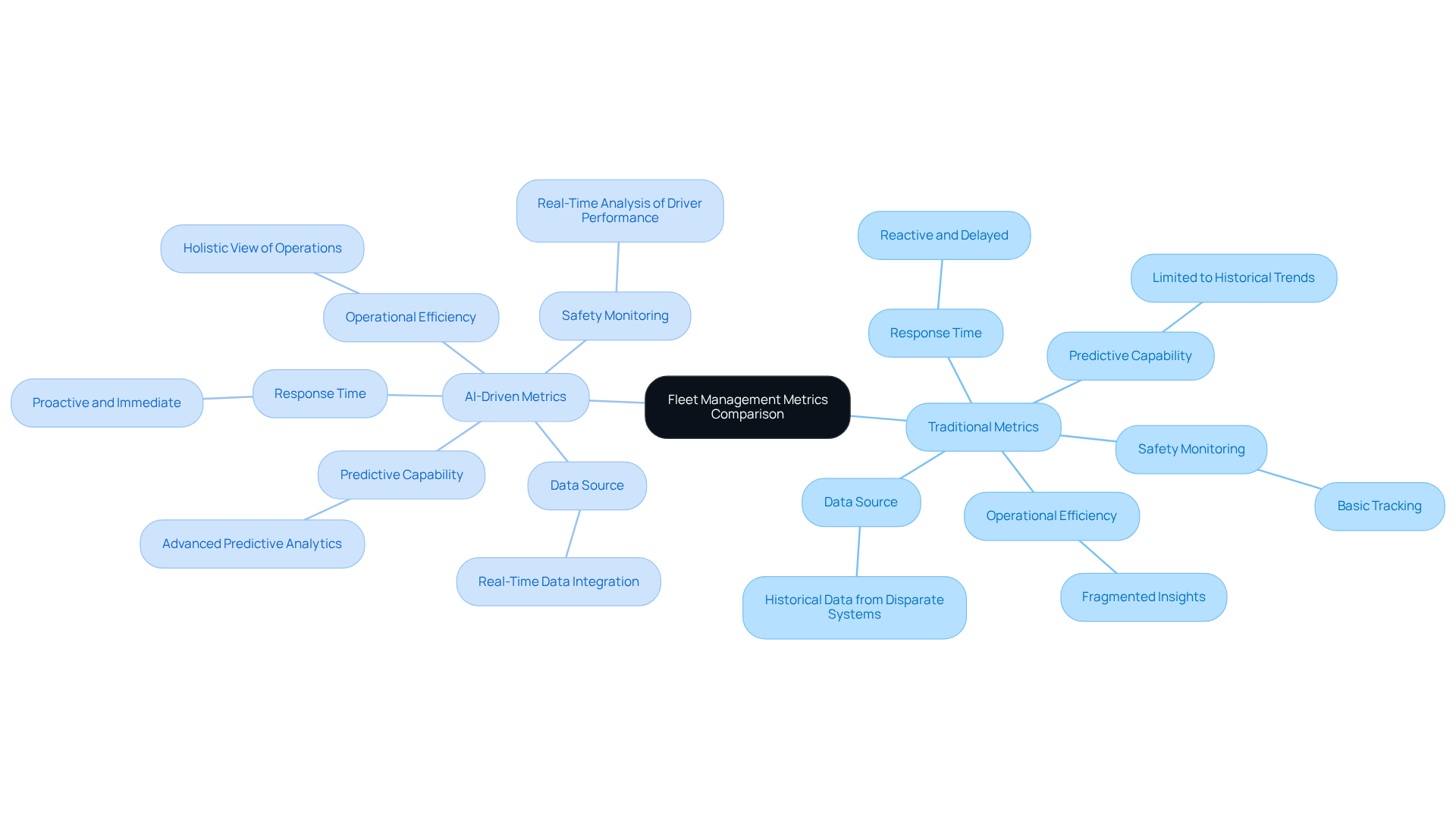
A comparative analysis reveals that traditional fleet management metrics fall short in several critical areas compared to their AI-driven counterparts:
- Data Source:
Relies on historical data from disparate systems
Integrates real-time data from multiple sources, enhancing accuracy and relevance - Response Time:
Reactive, often delayed in addressing issues
Proactive, enabling immediate responses to emerging challenges - Predictive Capability:
Limited to historical trends, often missing emerging patterns
Employs advanced predictive analytics, forecasting future trends with high accuracy - Operational Efficiency:
Insights can be fragmented and siloed
Provides a holistic view of operations, delivering actionable insights for optimization - Safety Monitoring:
Basic tracking of driver behavior, often insufficient
Conducts real-time analysis of driver performance and identifies safety risks instantly
AI-driven metrics enhance operational efficiency while significantly improving safety monitoring and predictive capabilities. By utilizing real-time data integration, managers can respond to issues proactively, ensuring a more efficient and safer operation of vehicles. The transition to AI-driven metrics is not merely advantageous; it is essential for modern fleet management success.
Implications of AI-Driven Metrics for Logistics Providers
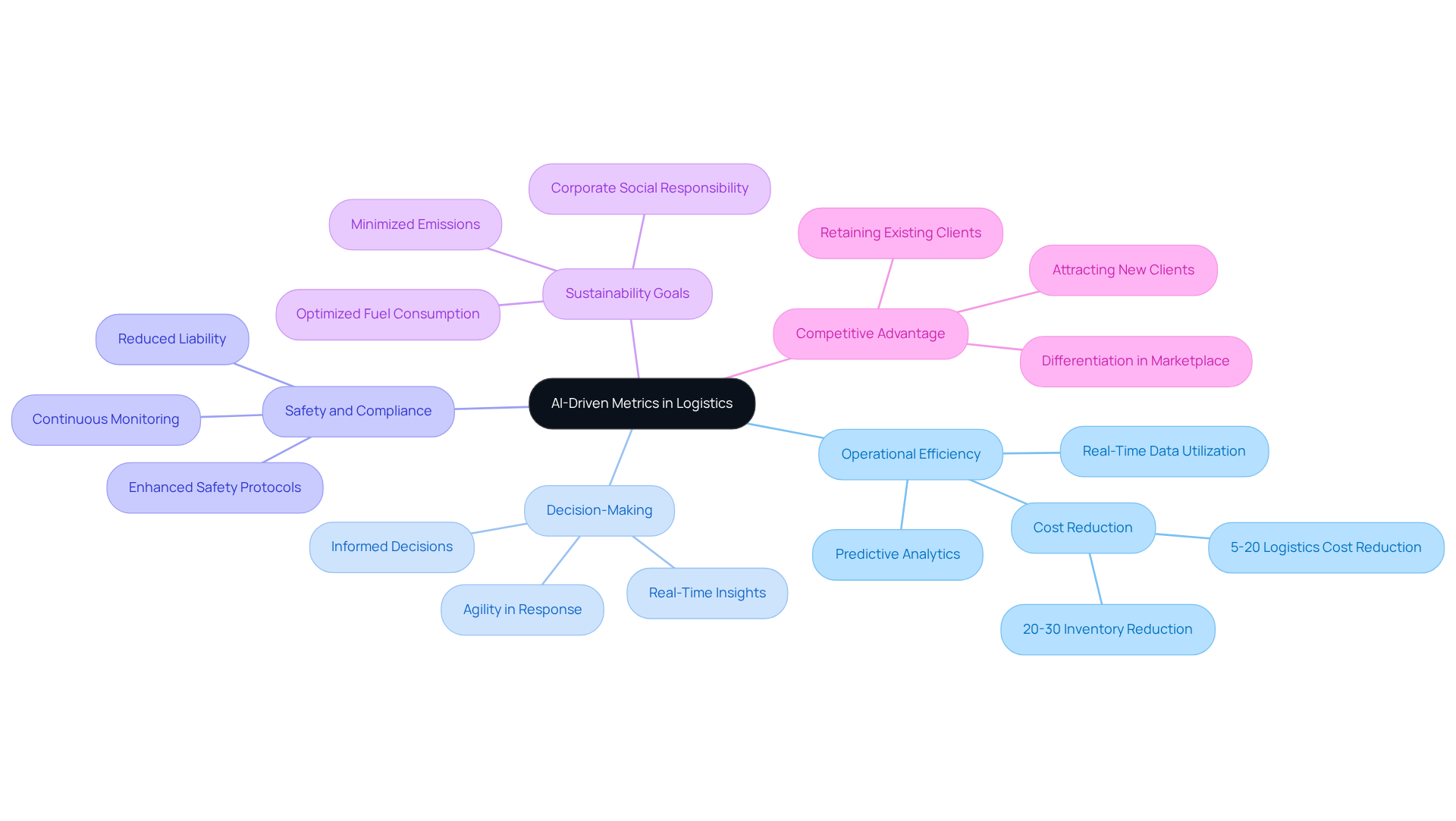
The integration of AI-driven metrics is transforming logistics operations, presenting both challenges and opportunities for providers. This shift offers substantial benefits for logistics providers, including:
- Increased Operational Efficiency: By leveraging real-time data and predictive analytics, logistics providers can enhance operational efficiency, reduce costs, and improve service delivery. Meight's Intelligent Transport Platform utilizes AI technologies to optimize resource allocation, resulting in more effective vehicle management.
- Enhanced Decision-Making: AI insights empower fleet managers to make informed decisions swiftly, enabling them to adapt to dynamic conditions and improve overall responsiveness. This agility enables logistics providers to respond effectively to the evolving demands of the industry, and Meight's solutions provide the necessary tools for effective decision-making.
- Improved Safety and Compliance: Continuous monitoring of driver behavior and vehicle performance through AI enhances safety protocols and ensures adherence to regulations. Meight's platform supports this proactive approach, reducing liability and potentially lowering insurance costs, which contributes to a safer operational environment.
- Sustainability Goals: AI-driven measurements play a vital role in achieving sustainability objectives by optimizing fuel consumption and minimizing emissions. Meight's commitment to sustainable logistics aligns with corporate social responsibility, benefiting both the environment and the company's reputation.
- Competitive Advantage: Logistics providers utilizing AI-driven measurements can differentiate themselves in the marketplace. By offering superior service and operational efficiency through Meight's Intelligent Transport Platform, they can attract new clients and retain existing ones, ultimately driving growth and profitability.
Adopting AI-driven metrics is a strategic imperative for logistics providers seeking to optimize operations and improve fleet management performance metrics to ensure sustainable growth.
Conclusion
The shift from traditional fleet management metrics to AI-driven insights represents a pivotal change in logistics optimization. AI technologies improve performance evaluations and enable fleet managers to make proactive, efficiency-driven decisions.
Traditional metrics have clear limitations, such as their reactive nature and reliance on historical data, which can delay responses to challenges. In contrast, AI-driven metrics provide real-time monitoring, predictive analytics, and dynamic routing capabilities, significantly enhancing operational efficiency and safety. Integrating IoT data enhances decision-making by providing a comprehensive view of vehicle performance.
In a competitive logistics environment, companies must adapt to survive. By leveraging AI-driven metrics, organizations can enhance their operational agility, improve safety compliance, and achieve sustainability goals. Ultimately, the adoption of AI-driven metrics is not merely an option; it is a necessity for future success in logistics.
Frequently Asked Questions
What are fleet management performance metrics?
Fleet management performance metrics are essential indicators that evaluate the efficiency and effectiveness of transportation operations, helping logistics providers assess vehicle management.
What is Total Cost of Ownership (TCO) in fleet management?
TCO encompasses all costs associated with owning and operating a vehicle, including purchase price, maintenance, fuel, and depreciation. It is crucial for identifying cost-cutting opportunities and informing strategic fleet investment decisions.
How does the age of a vehicle affect its cost per mile?
The cost per mile increases significantly with the age of the vehicle: $0.06 for units 0-5 years old, $0.15 for 6-10 years, and $1.10 for vehicles over 10 years, highlighting the financial implications of maintaining older assets.
What is the Transport Utilization Rate?
The Transport Utilization Rate assesses how efficiently transports are utilized, calculated as the percentage of time transports are functional versus available. It is essential for maximizing productivity and reducing costs.
Why is fuel efficiency an important metric in fleet management?
Fuel efficiency tracks fuel consumption relative to distance traveled, providing insights into operational efficiency and environmental impact. Enhancing fuel efficiency is a priority as fuel is one of the largest ongoing expenses for vehicle groups.
What does the Maintenance Compliance Rate indicate?
The Maintenance Compliance Rate indicates how well vehicles adhere to scheduled maintenance, which is crucial for minimizing downtime and extending vehicle lifespan. A low percentage suggests challenges in effective maintenance scheduling.
What are Driver Safety Scores?
Driver Safety Scores assess driver behavior, including speeding, harsh braking, and adherence to safety protocols. Improving these scores is key to reducing accidents and lowering insurance costs.
What are the strengths of traditional fleet management metrics?
Traditional metrics provide an established framework for communication and benchmarking among fleet managers and utilize historical data for trend analysis and performance comparisons.
What are the limitations of traditional fleet management metrics?
Limitations include a reactive nature due to reliance on historical data, lack of real-time insights for timely decision-making, and fragmented data sources that can lead to inconsistencies and complicate decision-making.
How can innovative solutions improve fleet management?
Innovative solutions, such as AI-driven apps, provide real-time data and optimized routing, enhancing operational efficiency, reducing fuel consumption, and aligning with sustainability goals, thus improving fleet management performance.

Subscribe to our newsletter
No spam! Promise!
Related posts

Best Practices for Dispatch Software in Road Freight Operations

Master Truck Routing Online: Key Practices for Logistics Success
5 Best Practices for GPS Tracking Fleet Management Software