

Maximize Fleet Profitability with Transport Management Software Best Practices

Introduction
Transport management software has become an essential tool for logistics providers seeking to enhance fleet profitability. By optimizing operations and reducing costs, this software plays a crucial role in the logistics sector. This article explores best practices for fully leveraging the capabilities of transport management software, including:
- Route optimization
- Real-time tracking
- The integration of advanced technologies such as AI and IoT
As the logistics landscape evolves, fleet managers face a pressing challenge: how can they not only keep pace with these changes but also maximize profitability in an increasingly competitive environment?
Understand Core Functions of Transport Management Software
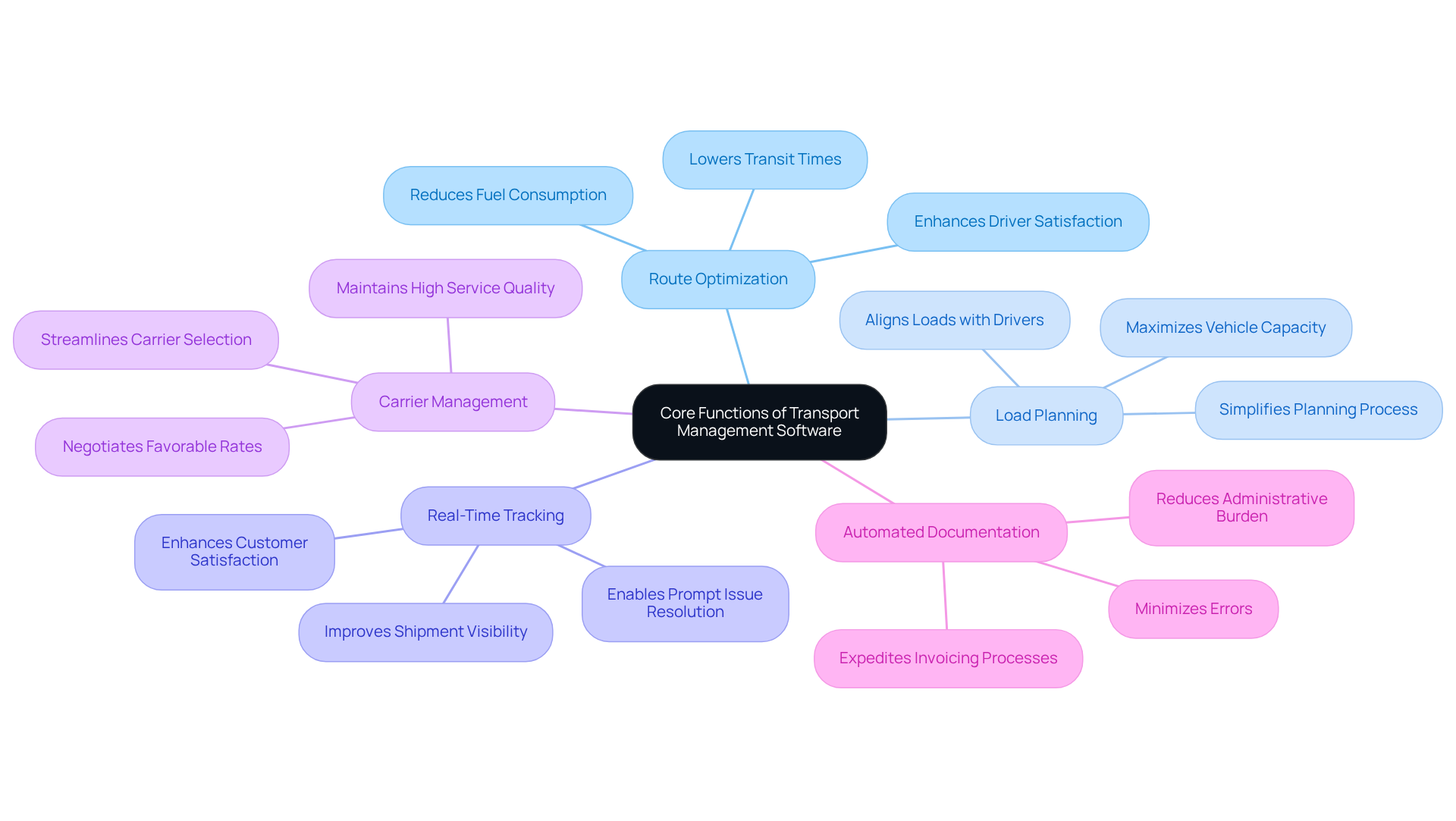
Transport management software to improve fleet profitability is essential for optimizing supply chain operations through various critical functions. Key features include:
- Route Optimization: This function assesses multiple delivery routes to pinpoint the most efficient paths, significantly lowering fuel consumption and transit times. Meight's platform learns from driving patterns and routes, allowing it to anticipate errors and encourage drivers to enhance their behavior. This ultimately leads to reduced stress while driving and increased driver satisfaction. As supply chain specialists emphasize, effective route optimization is crucial for enhancing efficiency and minimizing costs.
Effective load planning using transport management software to improve fleet profitability maximizes vehicle capacity, ensuring that each trip is as profitable as possible, which directly influences the bottom line. Meight's cloud-based load planning solution simplifies this process, allowing transport providers to replace cumbersome spreadsheets with a user-friendly interface that aligns upcoming loads with available drivers and trucks.
- Real-Time Tracking: This feature provides visibility into shipment status, enabling fleet managers to promptly address delays or issues, thereby enhancing customer satisfaction and operational responsiveness. Meight delivers a comprehensive, real-time overview of operations from pickup to delivery, improving visibility and predictive insights throughout the entire supply chain.
- Carrier Management: A robust TMS streamlines the selection and oversight of carriers, allowing transportation providers to negotiate favorable rates while maintaining high service quality. As noted by Brock Johns, effective cost management is a priority, and efficient carrier management is vital for achieving this.
- Automated Documentation: Automating paperwork reduces administrative burdens and minimizes errors, expediting processes such as invoicing and compliance. Meight's GoMeight application automates order dispatch, further enhancing workflow and ensuring that transport providers can manage their loads within budget and on schedule with just a few clicks.
By understanding these essential functions, vehicle managers can choose transport management software to improve fleet profitability that not only addresses their current operational needs but also supports future growth and improvement. Effectively incorporating these features can assist logistics providers in navigating the challenges of 2026 and beyond.
Implement Strategies for Maximizing Software Efficiency
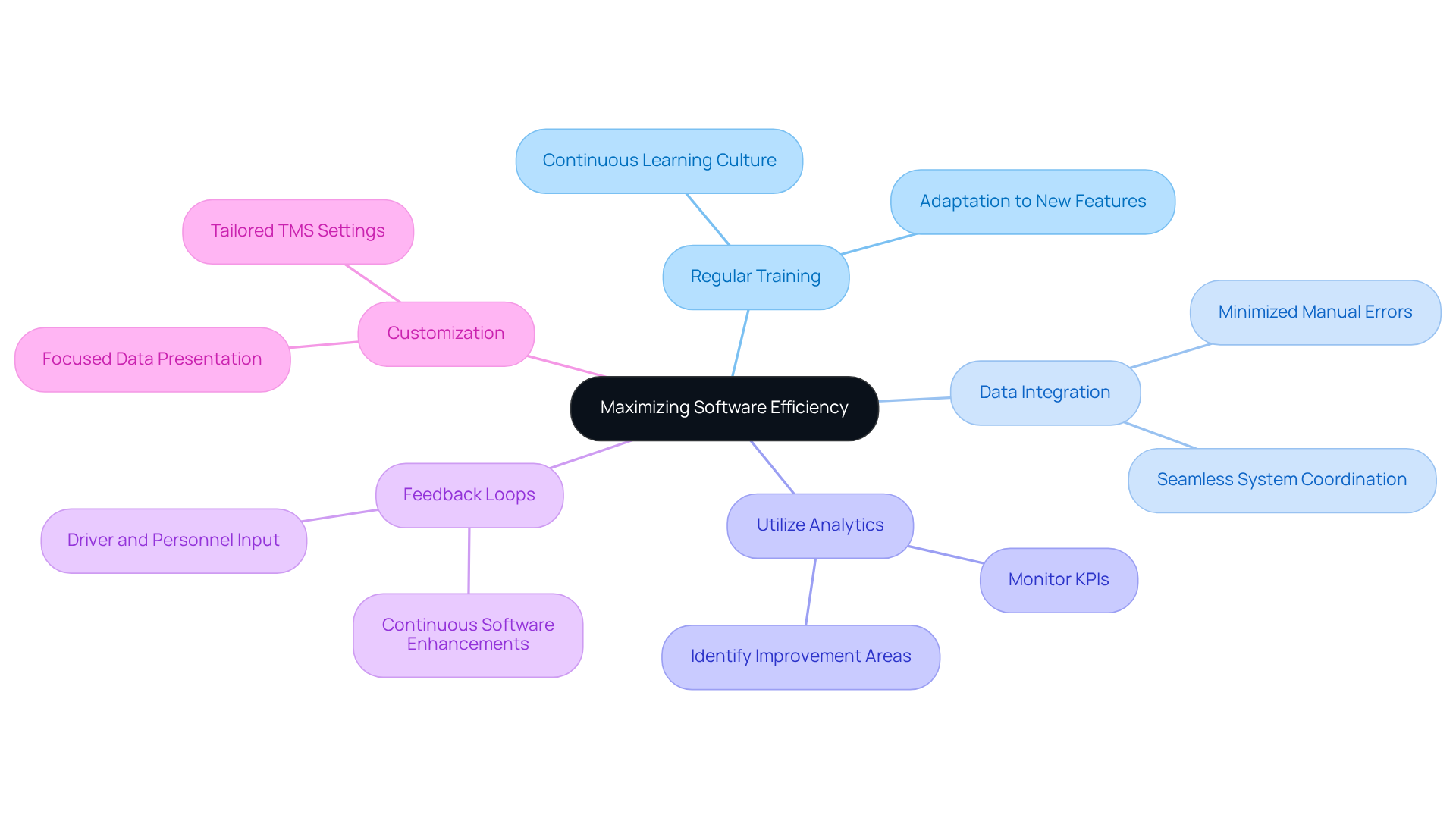
To maximize the efficiency of transport management software (TMS), fleet managers should adopt several key strategies:
- Regular Training: Continuous training is essential for all team members using the TMS. Regular sessions keep staff informed about new features and best practices, fostering a culture of learning and critical thinking. As Jim Rohn noted, 'Your life does not get better by chance; it gets better by change.' This mindset is crucial for adapting to evolving software capabilities.
- Data Integration: Seamlessly integrating the TMS with other systems, such as ERP and CRM, streamlines data flow and minimizes manual entry errors. This integration enhances visibility across operations and supports informed decision-making. Companies that prioritize coordinated execution environments gain a competitive edge over those that chase every new technology headline.
- Utilize Analytics: Leverage the TMS's analytics capabilities to monitor key performance indicators (KPIs) like delivery times, fuel efficiency, and cost per mile. Regularly analyzing this data helps identify areas for improvement, aligning with the idea that 'Success is the sum of small efforts, repeated day in and day out.'
- Feedback Loops: Establish mechanisms for drivers and logistics personnel to report issues or suggest improvements related to the TMS. This feedback can drive continuous enhancements in software usage, ensuring that the system evolves to meet user needs effectively.
- Customization: Tailor the TMS settings to align with specific functional requirements. Customizing notifications, summaries, and control panels enables vehicle managers to concentrate on the most pertinent data for decision-making, improving overall productivity.
Applying these strategies, including transport management software to improve fleet profitability, can result in better operational performance, lower expenses, and improved service delivery.
Leverage Advanced Technologies for Enhanced Profitability
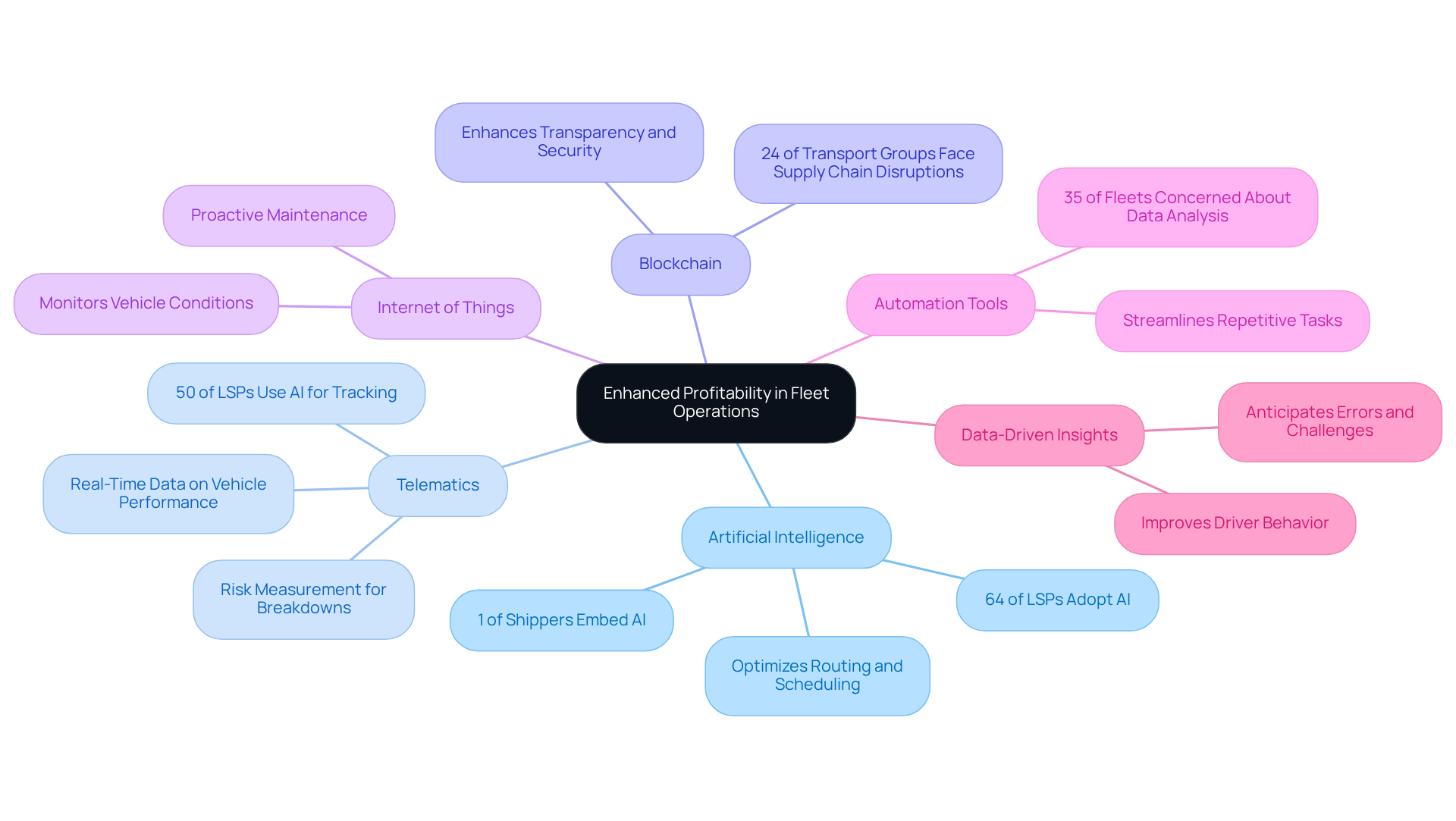
Incorporating advanced technologies into fleet operations can significantly enhance profitability, and Meight's transport management software to improve fleet profitability exemplifies this transformation. Key technologies to consider include:
- Artificial Intelligence (AI): Meight utilizes AI to optimize routing and scheduling by analyzing historical data and predicting traffic patterns. This leads to more efficient operations, improving driving efficiency and lowering expenses, making it an essential tool for transport providers. Approximately 64% of transportation service providers (LSPs) have adopted AI for transport planning and execution, showcasing its growing significance in the industry. However, only 1% of shippers have embedded AI into their core logistics processes, highlighting a disparity in AI adoption between LSPs and shippers.
- Telematics: Meight's platform integrates telematics to provide real-time data on vehicle performance, driver behavior, and fuel consumption. This allows vehicle managers to make data-informed choices that lower expenses. Significantly, groups employing telematics can measure the risk of breakdowns, enabling informed decision-making based on contextual data. Furthermore, 50% of LSPs have embraced AI for tracking and visibility, highlighting the trend of combining AI with telematics for improved vehicle management.
- Blockchain: Implementing blockchain technology enhances transparency and security in transactions, improving trust between logistics partners and reducing disputes. This is becoming increasingly essential as supply chain disruptions continue to pose a challenge for 24% of transport groups.
- Internet of Things (IoT): IoT devices monitor vehicle conditions and cargo status, allowing for proactive maintenance and reducing downtime. The integration of IoT is crucial for maximizing vehicle efficiency and ensuring compliance with regulations.
- Automation Tools: Meight automates repetitive tasks such as invoicing and order processing through its GoMeight app, streamlining logistics operations. This automation frees up staff time for more strategic activities, improving overall productivity. This change is essential as 35% of vehicle groups express concerns about data analysis and usage, indicating a need for improved management practices. Moreover, rising expenses were identified as the primary obstacle encountered by groups in 2025, highlighting the significance of these technologies in tackling functional challenges.
- Data-Driven Insights: By learning from driving patterns and routes, Meight's platform anticipates errors and challenges drivers to improve their behavior, resulting in less stress and greater satisfaction. This data-focused method not only enhances driver performance but also leads to reduced fuel consumption, establishing a beneficial situation for service providers.
By utilizing these technologies, especially those provided by Meight, transportation managers can use transport management software to improve fleet profitability, enhance operational productivity, lower expenses, and ultimately position themselves advantageously in a swiftly changing logistics environment.
Adopt a Continuous Improvement Mindset in Fleet Management
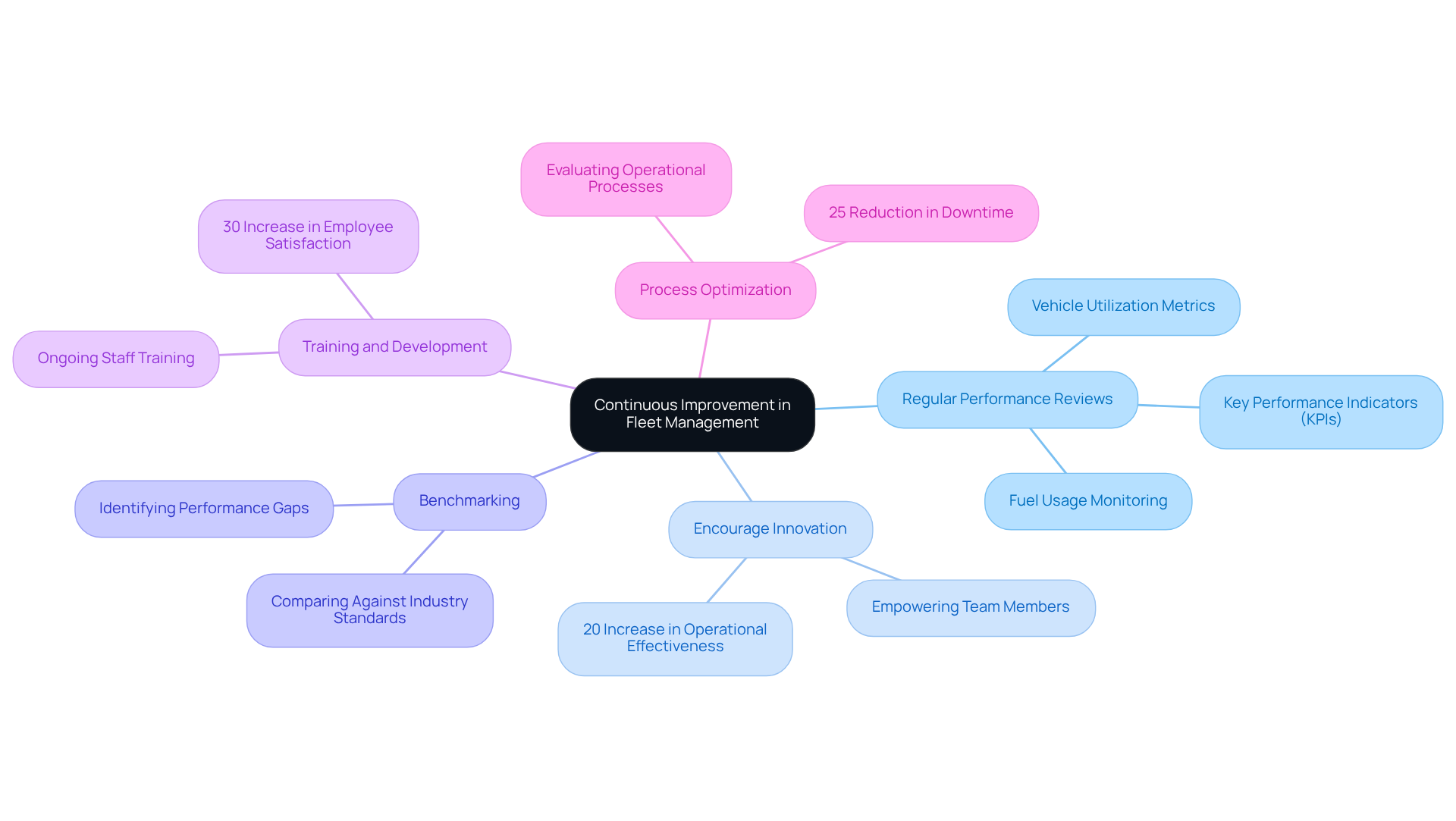
To cultivate a culture of continuous improvement in fleet management, it is essential to implement the following best practices:
- Regular Performance Reviews: Conduct frequent assessments of fleet performance against established key performance indicators (KPIs). These reviews are crucial for identifying trends and pinpointing areas that require enhancement. For instance, fleets that consistently monitor metrics such as fuel usage and vehicle utilization can uncover shortcomings and enhance operations accordingly.
- Encourage Innovation: Foster an environment where team members feel empowered to propose new ideas and solutions. Promoting innovation can lead to the adoption of practices that significantly improve productivity. Research indicates that organizations encouraging innovative thinking within their teams experience a 20% increase in operational effectiveness.
- Benchmarking: Regularly compare vehicle performance against industry standards and competitors. Benchmarking not only reveals performance gaps but also highlights best practices that can be adopted to enhance overall efficiency. For example, groups that align their operations with top-performing counterparts often observe a notable improvement in compliance and safety metrics.
- Training and Development: Invest in ongoing training for staff to keep them informed about industry trends and best practices. A knowledgeable team is vital for driving improvements and adapting to new technologies. Organizations that prioritize staff training report a 30% increase in employee satisfaction and retention, which directly impacts operational performance.
- Process Optimization: Continuously evaluate and refine operational processes to eliminate inefficiencies. This may involve adopting new technologies or revising workflows to enhance productivity. For instance, groups that implement automated maintenance scheduling can reduce downtime by as much as 25%, resulting in significant cost savings.
By embracing a continuous improvement mindset, fleet managers can ensure their operations remain agile, efficient, and profitable in an increasingly competitive landscape.
Conclusion
Maximizing fleet profitability through transport management software requires a clear understanding of its core functions and the implementation of effective strategies. This article highlights essential features such as:
- Route optimization
- Real-time tracking
- Automated documentation
Collectively, these elements enhance operational efficiency and reduce costs. Not only do these functions streamline logistics, but they also significantly improve customer satisfaction and driver performance, ultimately leading to a more profitable fleet.
Key insights emphasize the importance of adopting best practices, including:
- Regular training
- Data integration
- Leveraging advanced technologies like AI and IoT
These strategies empower fleet managers to make informed decisions and continuously enhance their operations. By fostering a culture of innovation and continuous improvement, organizations can better adapt to industry changes and maintain a competitive edge in the market.
In conclusion, integrating transport management software and adopting a proactive mindset are crucial for enhancing fleet profitability. As the logistics landscape evolves, embracing these best practices and technologies will position transportation providers for sustained success. Taking action now to implement these strategies will not only optimize current operations but also pave the way for future growth and resilience in an increasingly dynamic environment.
Frequently Asked Questions
What are the core functions of transport management software?
The core functions of transport management software include route optimization, effective load planning, real-time tracking, carrier management, and automated documentation.
How does route optimization benefit fleet operations?
Route optimization assesses multiple delivery routes to identify the most efficient paths, reducing fuel consumption and transit times. It also enhances driver behavior and satisfaction by anticipating errors and encouraging better driving practices.
What is the significance of effective load planning in transport management?
Effective load planning maximizes vehicle capacity, ensuring each trip is profitable. This directly impacts the bottom line by aligning upcoming loads with available drivers and trucks, simplifying the planning process.
How does real-time tracking improve fleet management?
Real-time tracking provides visibility into shipment status, allowing fleet managers to quickly address delays or issues, which enhances customer satisfaction and operational responsiveness.
What role does carrier management play in transport management software?
Carrier management streamlines the selection and oversight of carriers, enabling transportation providers to negotiate better rates while maintaining high service quality, which is essential for effective cost management.
How does automated documentation benefit transport operations?
Automated documentation reduces administrative burdens and minimizes errors, speeding up processes like invoicing and compliance. It allows transport providers to manage their loads more efficiently with fewer manual tasks.
Why is it important for vehicle managers to understand these functions?
Understanding these essential functions helps vehicle managers choose transport management software that meets their current operational needs and supports future growth and improvement, aiding logistics providers in navigating upcoming challenges.

Subscribe to our newsletter
No spam! Promise!
Related posts

Best Practices for Dispatch Software in Road Freight Operations

Master Truck Routing Online: Key Practices for Logistics Success
5 Best Practices for GPS Tracking Fleet Management Software