

Optimize Your Trucking Management Software with Driver Management
Introduction
In the logistics sector, the management of drivers is crucial for operational success and competitive positioning. As companies strive to enhance their efficiency and streamline communication, integrating robust driver management features into trucking management software emerges as a pivotal strategy. Given the increasing complexity of logistics operations, organizations must strategically leverage these tools to maximize their effectiveness. Understanding and implementing best practices in driver management can significantly enhance operational outcomes and drive industry growth.
Integrate Driver Management into Your Trucking Software
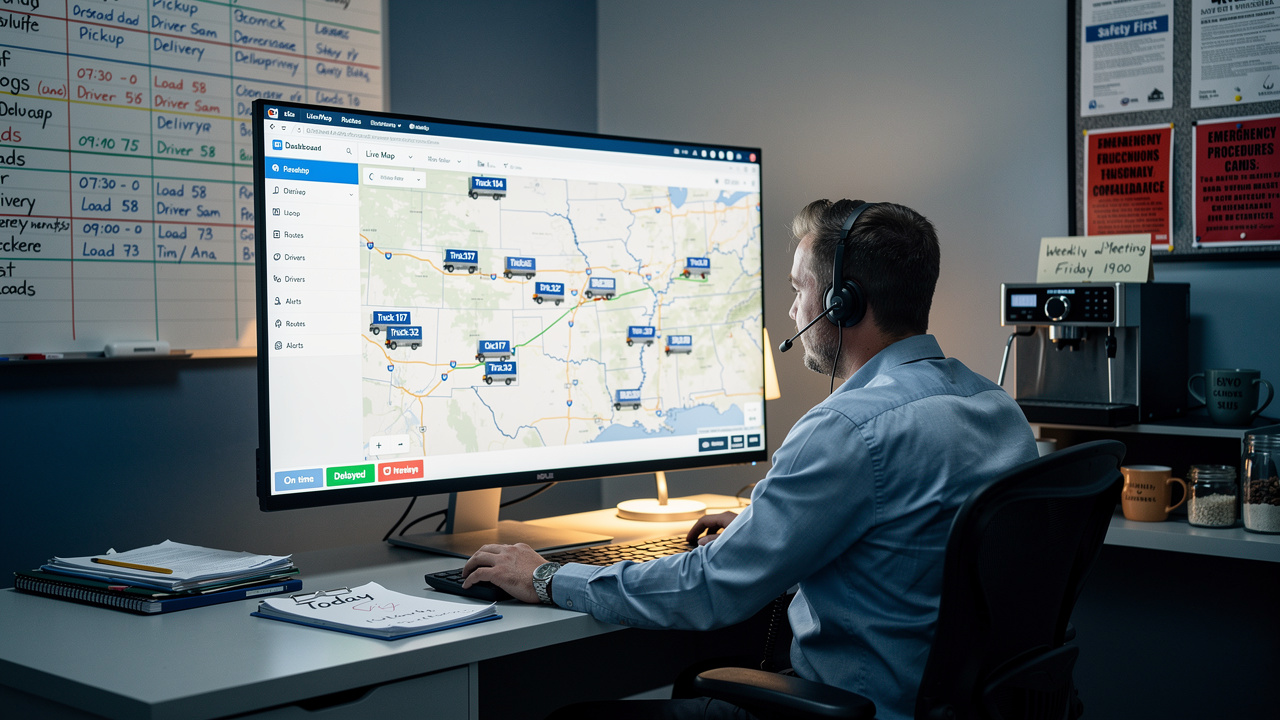
Incorporating operator oversight into your trucking program is crucial for establishing a cohesive logistics operation. A well-integrated system facilitates real-time communication between operators and dispatchers. This ensures alignment on schedules, routes, and any changes that may arise. To achieve this integration, consider the following steps:
- Choose compatible trucking management software with driver management that supports operator features or can seamlessly integrate with third-party systems. Look for platforms offering APIs to enable smooth data exchange.
- Centralize Data: Centralizing operator data-including performance metrics, compliance records, and communication logs-enhances tracking and management. A unified dashboard can offer valuable insights into vehicle operator behavior and operational efficiency.
- Automate Notifications: Implement automated notifications for dispatch assignments, route changes, and maintenance alerts. This reduces miscommunication and guarantees that operators are consistently informed.
- Utilize GPS Tracking: Incorporate GPS tracking to monitor operator locations in real-time. This not only optimizes routes but also enhances accountability and safety.
Without proper oversight, miscommunication can lead to delays and operational inefficiencies. This integration not only streamlines operations but also enhances overall effectiveness in transportation processes. The automotive logistics coordination platform market, valued at USD 7.8 billion in 2023, is anticipated to expand at a CAGR of over 6.3% from 2024 to 2032, highlighting the rising need for efficient logistics solutions that emphasize real-time communication and operational efficiency. As the demand for efficient logistics solutions grows, prioritizing operator oversight will be key to staying competitive in the market.

Utilize Essential Features for Effective Driver Management
Inefficient operator management processes can hinder productivity and inflate operational costs. To optimize these processes, it is vital to leverage essential features within trucking management software with driver management. Key functionalities to consider include:
- Driver Performance Monitoring: Implement tools that track metrics such as fuel efficiency, on-time delivery rates, and compliance with safety regulations. This data aids in recognizing improvement areas and enables targeted training, ultimately boosting performance.
- Automated Scheduling: Utilize automated scheduling features to assign loads and routes based on operator availability and performance history. This method not only saves time but also guarantees that the most qualified individuals are matched with specific tasks, significantly enhancing operational efficiency.
- Real-Time Communication Tools: Incorporate instant messaging capabilities between operators and dispatchers. This facilitates quick updates and problem-solving, enhancing overall operational efficiency and responsiveness.
- Document Organization: Utilize document organization features to store and oversee essential operator documents, such as licenses, certifications, and training records. This ensures compliance and simplifies audits, reducing administrative burdens.
- Telematics Integration: Utilize telematics to collect information on vehicle performance and operator behavior. This information can improve safety, reduce maintenance costs, and enhance fuel efficiency, contributing to overall fleet effectiveness.
By utilizing trucking management software with driver management, implementing these features not only streamlines operations but also positions your organization for long-term success in a competitive market.

Implement Comprehensive Training and Support Systems
Many operators face challenges when adapting to new systems and protocols, making effective training essential. To enhance the efficiency of your operator oversight tools, establishing thorough training and assistance systems is crucial. Here are some best practices:
- Initial Training Programs: Establish structured training programs for new operators that encompass the use of the trucking management software, safety protocols, and company policies. This foundational training ensures operators are well-prepared from their first day on the job.
- Ongoing Training: Provide continuous training sessions to keep operators informed about new features and best practices. This can include workshops, webinars, and easily accessible e-learning modules, enabling individuals to learn at their own pace.
- Mentorship Programs: Pair seasoned professionals with new hires to foster mentorship and support. This initiative cultivates a culture of learning and assists new operators in adapting to the company’s operations more efficiently.
- Feedback Mechanisms: Establish avenues for operators to communicate their experiences and difficulties with the program. This feedback is invaluable for making necessary improvements and addressing issues promptly, enhancing overall user experience.
- Technical Support: Ensure robust technical assistance is available to help users with any software-related issues they may face. This can include a dedicated helpdesk, online resources, and troubleshooting guides to facilitate smooth operations.
Ultimately, without these systems in place, operators may struggle to achieve their full potential.

Leverage Benefits of Enhanced Driver Management Software
The implementation of trucking management software with driver management is essential for enhancing supply chain operations, particularly through Meight's innovative transport solutions. Key advantages include:
- Increased Efficiency: Automating routine tasks and streamlining communication can significantly enhance operational efficiency, enabling dispatchers to focus on strategic initiatives instead of getting bogged down by administrative duties. This shift allows for a more agile response to logistical challenges. Integrating telematics data with fleet management systems significantly enhances visibility and control, a critical trend for 2026. For instance, Meight's GoMeight app exemplifies this by ensuring seamless integration and accommodating unlimited operators, thereby enhancing operational efficiency.
- Enhanced Safety: Real-time monitoring and alerts for unsafe driving behaviors play a vital role in ensuring operators' safety on the road. The FMCSA's pilot program for 2026, which tests new flexibility options for operators, aims to enhance safety by allowing them to pause their driving window for genuine rest breaks. By proactively addressing risky behaviors, companies not only safeguard their operators but also reduce liability risks, promoting a safer work environment. Meight's platform supports these initiatives with high-security cloud services that prioritize safety.
- Cost Savings: Efficient operator oversight can produce significant cost reductions through optimized routing, decreased fuel usage, and minimized maintenance costs. Predictive maintenance programs have reported 15-20% lower maintenance costs, further enhancing the cost-saving potential. Examining operator performance data allows companies to identify inefficiencies and apply focused cost-saving strategies. Meight's intelligent transport platform is designed to maximize these savings through data-driven insights.
- Better compliance is supported by trucking management software with driver management, as it enhances operator management by automating record-keeping and providing timely alerts for inspections or renewals. Automated compliance reporting can help identify gaps early, minimizing the risk of fines and penalties and ensuring smoother operations. Meight's solutions are tailored to support compliance efforts, allowing logistics providers to focus on growth.
- Higher Operator Retention: By providing operators with the essential tools for success and fostering a supportive environment, companies can improve operator satisfaction and retention rates. Satisfied drivers are more likely to remain with the company, reducing turnover costs and fostering a stable workforce. As noted by Daren Hansen, Sr. Transportation Safety Expert, "Fleets that treat compliance as a daily habit - rather than a one-time project - will be the ones that grow in 2026." Meight's dedication to collaboration and innovation enables service providers to prosper in this changing environment.
By harnessing these advantages, companies can fundamentally reshape their logistics operations, leading to enhanced performance and profitability in an increasingly competitive landscape.

Conclusion
Effective driver management is crucial for optimizing logistics operations in the trucking industry. By prioritizing operator oversight, companies can enhance communication, streamline workflows, and ultimately improve overall efficiency. This integration enhances communication and positions organizations to effectively respond to the evolving demands of the transportation industry.
Key strategies discussed include:
- Selecting compatible software
- Centralizing data
- Automating notifications
- Leveraging GPS tracking
Additionally, implementing features such as:
- Performance monitoring
- Automated scheduling
- Real-time communication tools
can significantly boost operational productivity. Comprehensive training and support systems are also vital, ensuring that operators are well-prepared and equipped to utilize these tools effectively.
As the logistics landscape continues to evolve, embracing enhanced driver management software will be pivotal for success. Companies that adopt these best practices will not only improve their operational efficiency and safety but also realize significant cost savings and better compliance. Organizations that prioritize these strategies will not only enhance their operational capabilities but also position themselves for long-term success in a competitive market.
Frequently Asked Questions
Why is integrating driver management into trucking software important?
Integrating driver management is crucial for establishing a cohesive logistics operation, facilitating real-time communication between operators and dispatchers, and ensuring alignment on schedules, routes, and changes.
What should be considered when choosing trucking management software for driver management?
It is important to choose compatible trucking management software that supports operator features or can seamlessly integrate with third-party systems, ideally with APIs for smooth data exchange.
How can centralizing data improve trucking operations?
Centralizing operator data, including performance metrics, compliance records, and communication logs, enhances tracking and management, providing valuable insights into operator behavior and operational efficiency through a unified dashboard.
What role do automated notifications play in driver management?
Automated notifications for dispatch assignments, route changes, and maintenance alerts reduce miscommunication and ensure that operators are consistently informed.
How does GPS tracking benefit trucking operations?
Incorporating GPS tracking allows for real-time monitoring of operator locations, optimizing routes and enhancing accountability and safety.
What are the consequences of lacking proper oversight in trucking operations?
Without proper oversight, miscommunication can lead to delays and operational inefficiencies, impacting overall effectiveness in transportation processes.
What is the current market trend for automotive logistics coordination platforms?
The automotive logistics coordination platform market is valued at USD 7.8 billion in 2023 and is expected to expand at a CAGR of over 6.3% from 2024 to 2032, indicating a rising need for efficient logistics solutions that emphasize real-time communication and operational efficiency.

Subscribe to our newsletter
No spam! Promise!
Related posts

Best Practices for Dispatch Software in Road Freight Operations

Master Truck Routing Online: Key Practices for Logistics Success
5 Best Practices for GPS Tracking Fleet Management Software